A small crack over a doorway can be easy to ignore. So can a floor that feels a little uneven or a window that suddenly sticks. But these are often the first structural repair signs in house conditions that homeowners notice before a much bigger problem shows up.
The hard part is knowing what is cosmetic and what points to movement, settling, water damage, or framing trouble. Some issues stay minor for years. Others get worse fast, especially after heavy rain, plumbing leaks, or long-term foundation stress. If your home feels different than it used to, it is worth paying attention.
Why structural warning signs should not wait
Structural problems rarely fix themselves. In most cases, they spread. A little drywall crack may turn into a wall separation. A damp crawl space may lead to wood rot. A sticking door may be the result of shifting framing that keeps moving season after season.
Waiting can also make repairs more expensive. What starts as a localized issue may affect flooring, drywall, roofing, windows, or plumbing if the underlying structure continues to move. That does not mean every crack is an emergency. It does mean patterns matter.
1. Cracks that keep growing
Not all cracks mean structural failure. Homes expand, contract, and settle over time. Hairline cracks in drywall are common, especially around corners and taped joints. What raises concern is size, direction, and change.
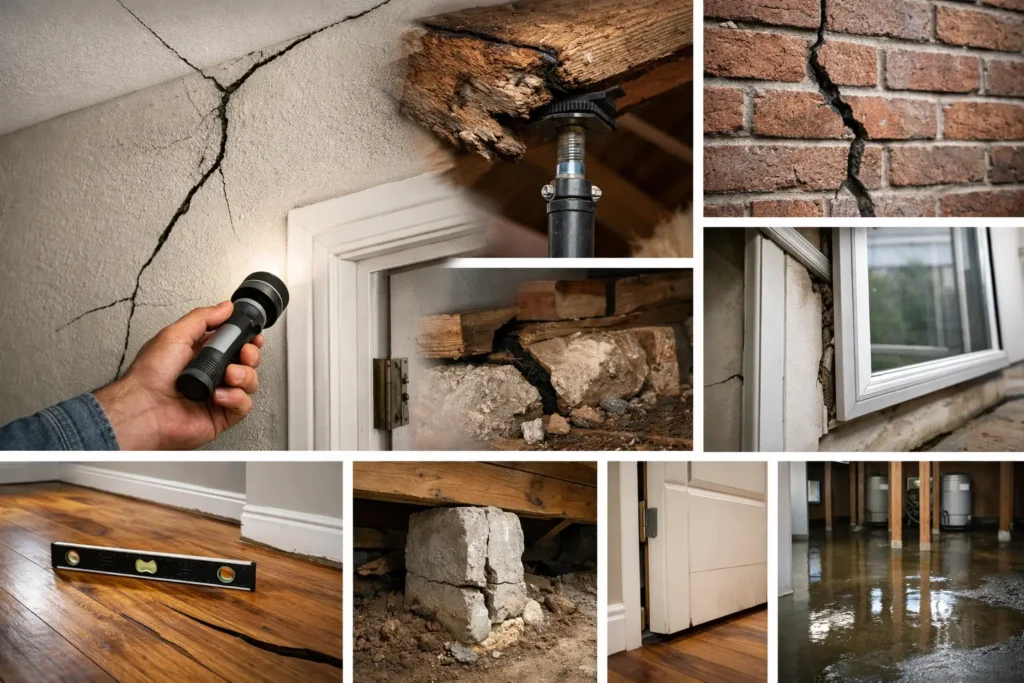
Watch for cracks wider than about 1/8 inch, stair-step cracks in brick or block, horizontal foundation cracks, or repeated cracking in the same area after patching. Diagonal cracks running out from doors and windows can also point to shifting. If a crack is getting longer or wider, it deserves a closer look.
When cracks are more than cosmetic
A single thin drywall crack may be nothing more than normal settling. But if you see several cracks forming together, especially with doors sticking or floors sloping nearby, the issue may be deeper than surface material. Foundation movement, framing stress, or moisture damage can all show up this way.
2. Doors and windows that stop working right
If a door suddenly rubs, will not latch, or swings open on its own, many homeowners assume it just needs adjustment. Sometimes that is true. Hinges loosen. Wood swells. Seasonal humidity can affect fit.
But if multiple doors and windows start sticking at once, or if frames look out of square, structural movement becomes more likely. Houses shift when foundations settle unevenly or when support members weaken. Openings are some of the first places where that movement becomes obvious.
This is one of the most overlooked structural repair signs in a house because it often feels like a hardware issue. The pattern is what matters. One stubborn window may be minor. Several changes throughout the home usually mean more investigation is needed.
3. Sloping, sagging, or bouncy floors
Floors should feel stable underfoot. If a room has a soft spot, a noticeable slope, or a bounce when people walk across it, there may be trouble below.
In older homes, some floor unevenness is common and may have been there for decades. But active sagging can point to undersized joists, damaged beams, failing supports, termite damage, or moisture-related wood rot. Homes with crawl spaces and basements are especially vulnerable if water has been present over time.
What floor movement can mean
A slight dip in one area does not always mean major structural failure. It depends on age, design, and whether the condition is changing. Still, a floor that feels weaker than before should be checked before loading it with new finishes, heavy furniture, or a remodel.
4. Gaps around walls, trim, or ceilings
When a home shifts, connections start to separate. You may notice crown molding pulling away from the ceiling, baseboards separating from walls, or a visible gap where a wall meets another surface. These signs can show up slowly and may be easy to miss until they become obvious.
This kind of separation often means movement in framing or foundation components. It can also happen after water damage causes materials to swell, warp, or shrink. Cosmetic patching may hide the issue for a while, but if the house continues to move, the gap usually comes back.
5. Water intrusion and signs of rot
Water is one of the biggest threats to a home’s structure. It weakens wood, corrodes metal, damages fasteners, and creates conditions for mold and rot. Even a small leak can turn into framing damage if it goes unnoticed long enough.
Look for staining on ceilings or walls, musty smells, warped floors, soft wood near windows, damp basements, or standing water near the foundation. Outside, poor drainage, clogged gutters, and downspouts that dump water too close to the home can all contribute to structural problems.
Moisture problems are often structural problems
Not every leak leads to major damage, but repeated moisture almost always creates risk. Structural repairs tied to water are often more involved because the source of the problem has to be fixed along with the damaged framing or supports. If the water issue remains, the repair will not hold up the way it should.
6. Cracks or bowing in the foundation
Foundation issues deserve special attention because they affect the entire house above them. Small surface blemishes in concrete can be harmless, but wider cracks, horizontal cracking, bowing walls, or shifting block are different.
A foundation wall that appears to lean inward is a serious warning sign. So is a basement wall with step cracking that continues to spread. Outside, you may notice separation at the porch, chimney, or garage slab if movement is taking place.
Some foundation movement is repairable without a full rebuild. The right solution depends on soil conditions, drainage, load paths, and how long the issue has been active. That is why a clear on-site evaluation matters more than guesswork.
7. Roofline or ceiling changes
If the roofline starts to dip or a ceiling begins to sag, do not wait. These signs can point to compromised framing, overloaded rafters, damaged trusses, or long-term water intrusion.
Sometimes the problem appears in the attic first. Other times you notice ceiling cracks, a visible bow, or drywall fasteners popping through. Older homes and homes with past roof leaks are especially worth watching here.
This is one area where homeowners should be careful about self-diagnosing. A ceiling stain might be from an old leak, or it might signal active damage above. A professional can help separate past cosmetic issues from current structural concerns.
8. Exterior brick, stucco, or siding movement
Your home’s outer shell can reveal a lot. Cracks in stucco, separated siding joints, brick veneer cracks, or areas that look wavy or out of line may point to movement behind the finish materials.
Exterior materials can crack for simple reasons, including age and weather exposure. But when those cracks line up with interior issues like sticking doors or sloped floors, the concern becomes more serious. Looking at the home as a whole is key.
When to monitor and when to call a professional
A tiny drywall crack that never changes may only need monitoring. The same goes for a door that sticks during one humid season and works fine later. But if you are seeing multiple symptoms together, or if something is clearly getting worse, it is time to bring in a professional.
The biggest mistake homeowners make is treating each symptom separately. They patch the crack, plane the door, repaint the stain, and hope the problem is gone. Sometimes that works. Often it only covers the evidence.
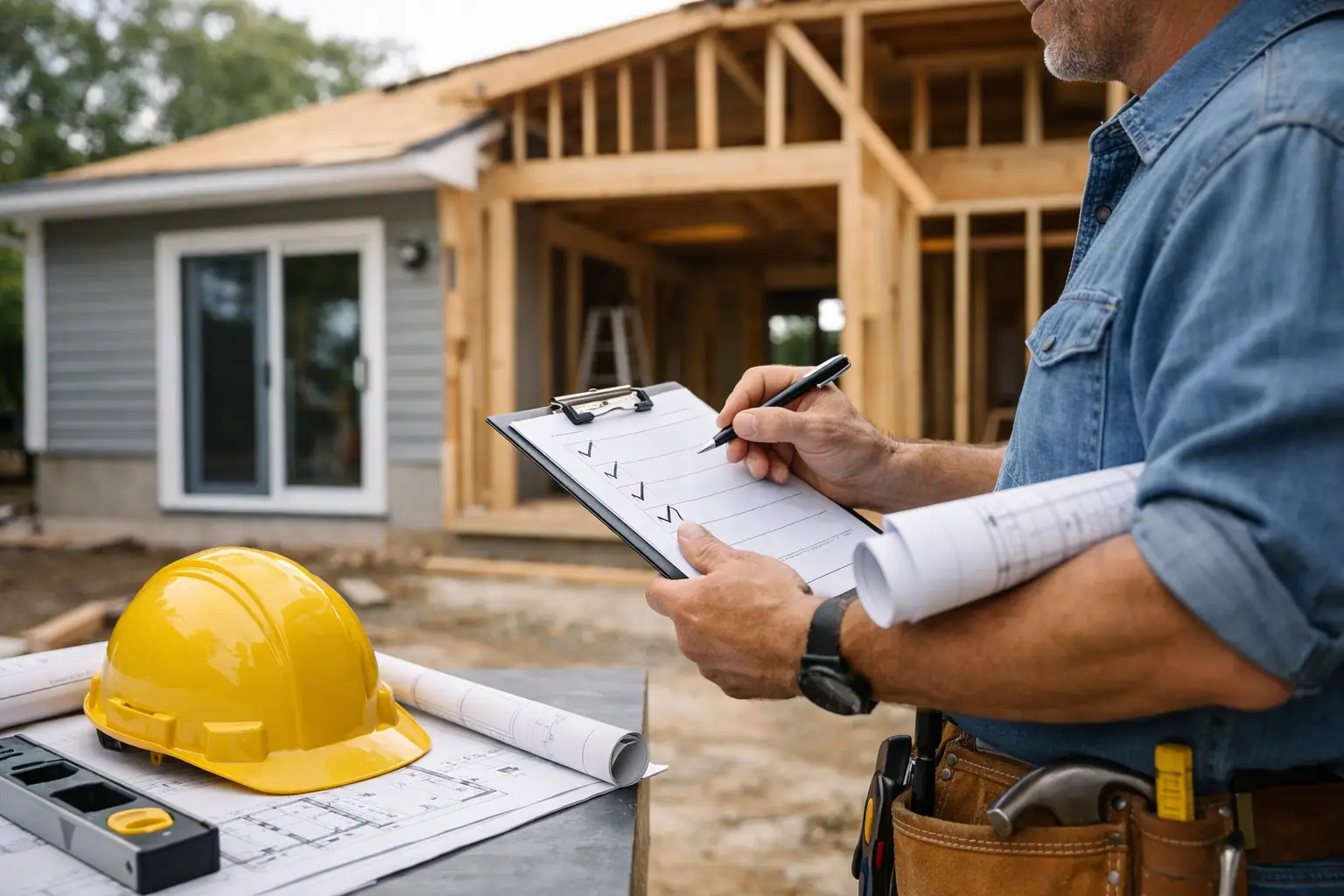
A qualified contractor can assess whether the issue is cosmetic, structural, or somewhere in between. That matters because the right repair is not always the biggest one. Good contractors look for the cause, explain the options clearly, and help you avoid spending money in the wrong place.
What happens during a structural repair evaluation
A solid evaluation should look beyond the obvious spot. That may include checking foundation walls, crawl spaces, attic framing, drainage patterns, exterior grading, and interior signs of movement. The goal is to connect the symptoms to the source.
From there, repair options can vary. Some homes need reinforcement, sistered joists, beam repair, post replacement, or framing correction. Others need moisture control, drainage improvements, or foundation stabilization first. The best path depends on the house, the damage, and how quickly the issue is progressing.
If your home is showing structural repair signs in house areas that do not look right, trust your instincts and get it checked. A fast, honest assessment can protect your home and your budget. If you want clear answers and reliable workmanship, contact Greenwood Contractors for a free estimate.