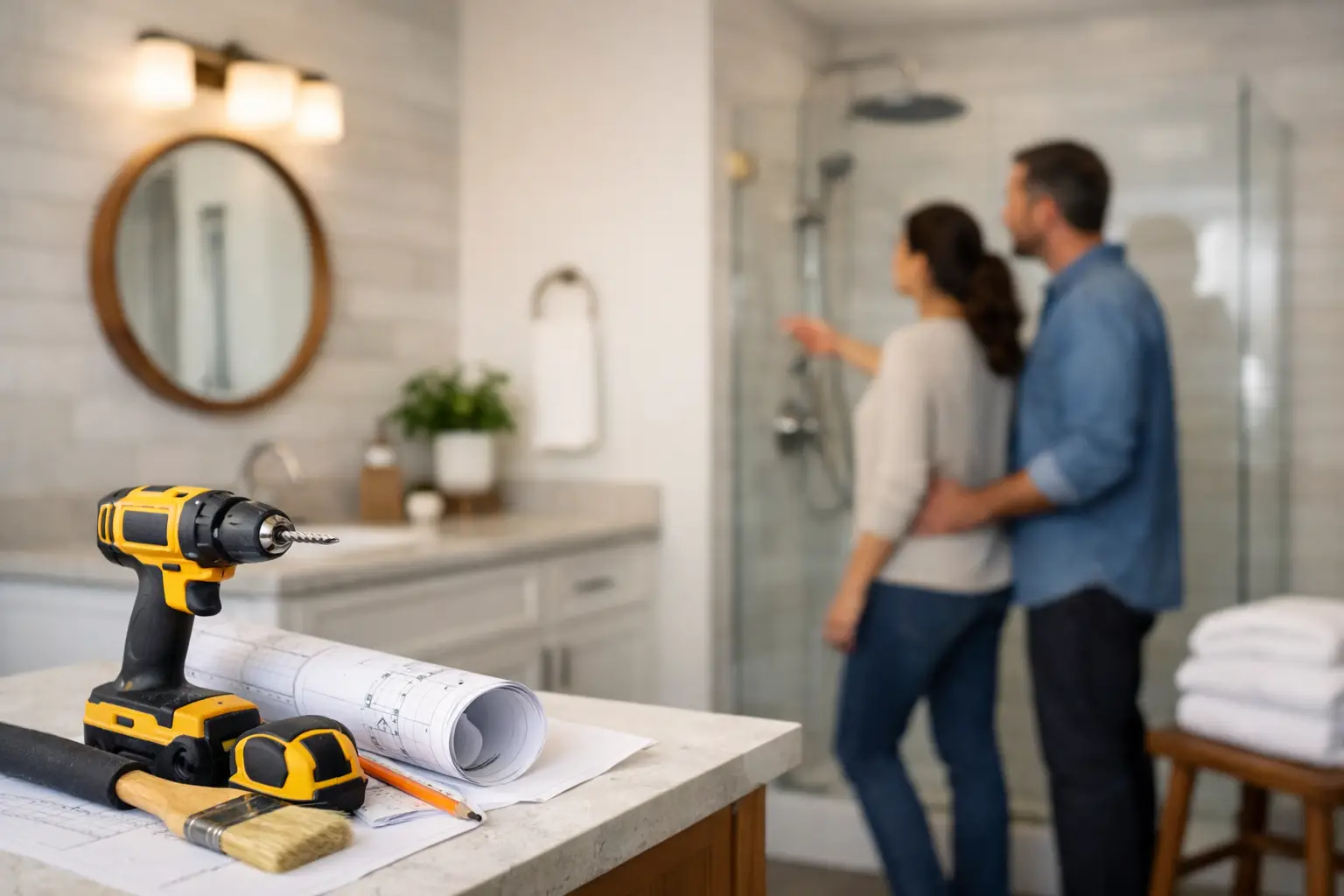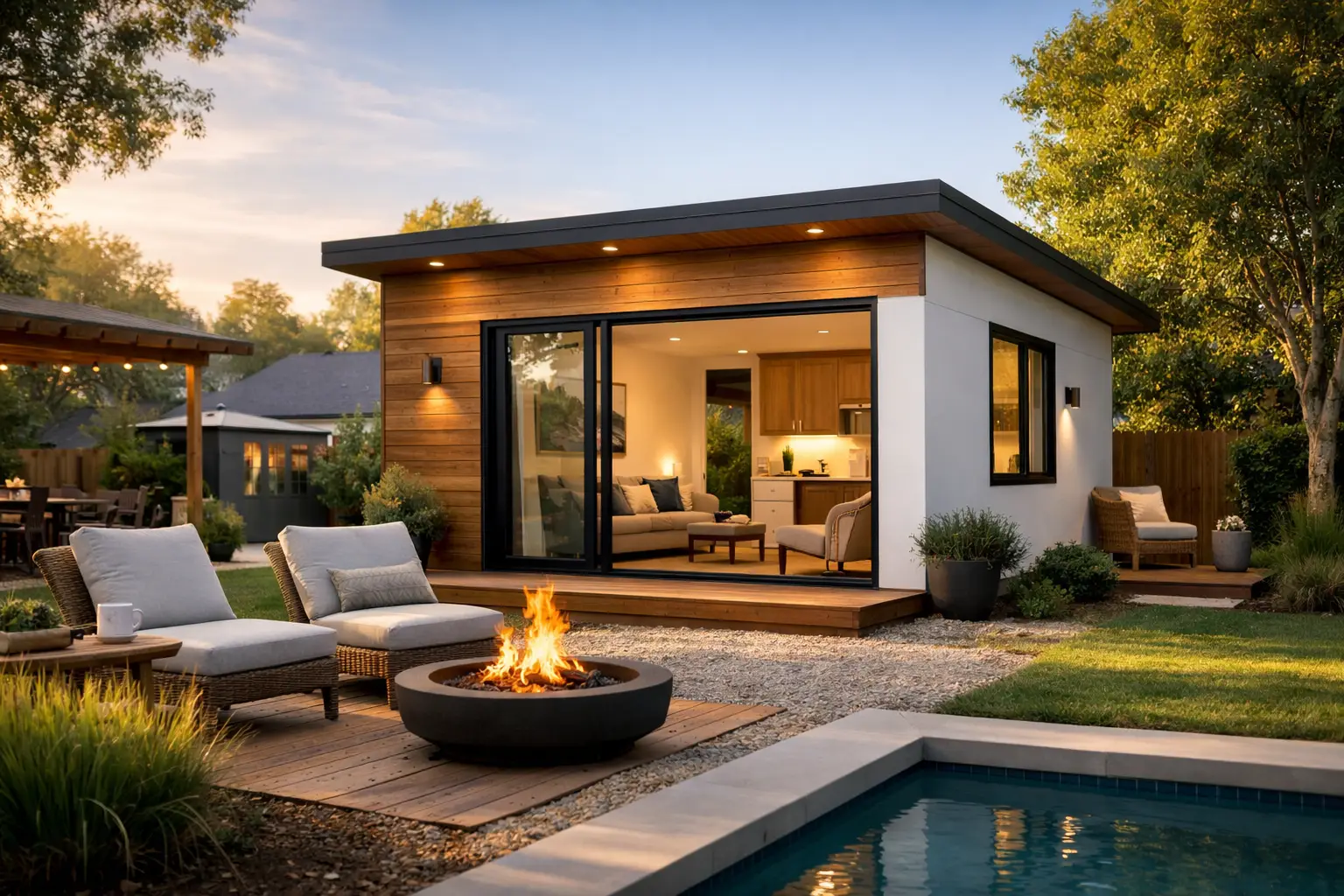
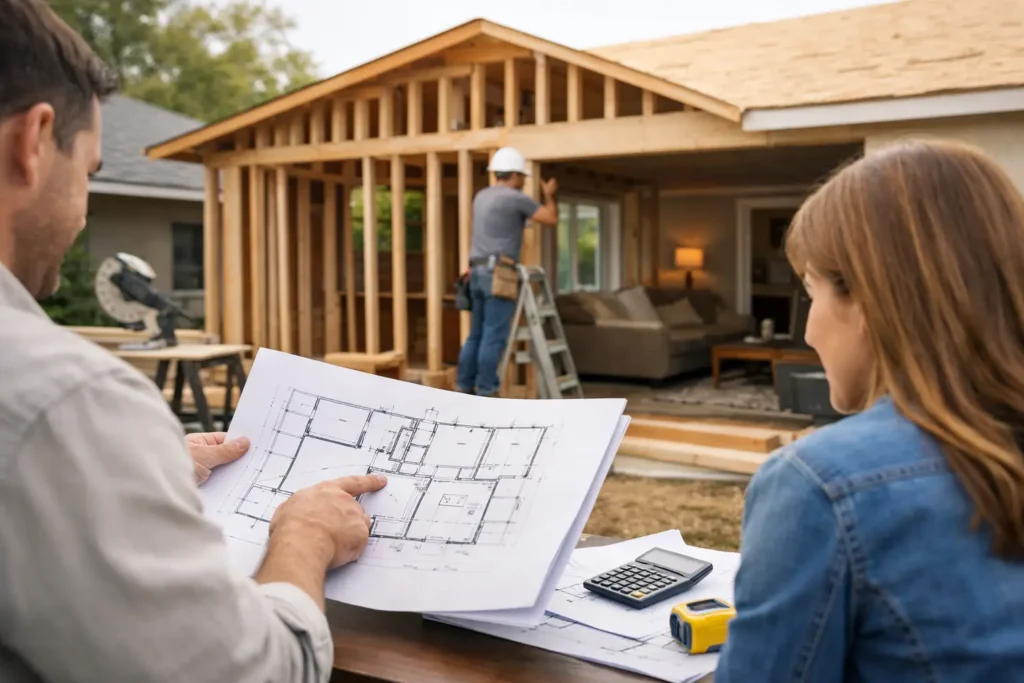
Space problems usually show up slowly. A dining room becomes a home office. A guest room turns into a nursery. The living room starts doing the work of three rooms at once. If you are ready to plan a room addition, the goal is not just to build more square footage. It is to make your home work better for the way you actually live.
A good addition can solve daily frustrations, improve resale value, and help you stay in a home you already love. A rushed addition can do the opposite. It can strain your budget, create awkward flow, and leave you wondering why the new space never quite feels right. That is why the planning stage matters so much.
Why homeowners plan a room addition
Most people start here because they need relief. A growing family may need another bedroom. A homeowner working remotely may want a quiet office with a door that closes. Some families need space for aging parents, adult children, or long-term guests. Others simply want a larger family room, a primary suite, or a better connection between the house and the backyard.
The right reason is usually practical, not trendy. If the new room solves a real problem, the project is easier to justify and easier to design well. It also helps you make smarter choices later when budget decisions come up.
That said, every addition involves trade-offs. More space can mean a higher project cost, a longer timeline, and changes to your yard or existing floor plan. Sometimes a room addition is the best answer. Sometimes a remodel, garage conversion, or reworking the current layout can get you close to the same result for less. A trustworthy contractor should tell you that upfront.
Start with the purpose, not the floor plan
Before you sketch anything, get clear on what the room needs to do. That sounds simple, but it changes everything.
A bedroom addition needs privacy, closet space, and easy access to a bathroom. A family room addition may need open sightlines, natural light, and strong traffic flow to the kitchen. A home office may need separation from noise more than it needs size. If you skip this step, you can end up paying for square footage that does not solve the actual problem.
Think about how the space will be used five years from now, not just next month. A playroom may later become a bedroom. A first-floor suite might support multigenerational living or make aging in place easier. When the design has some flexibility, the investment usually holds up better over time.
Questions worth answering early
Ask yourself who will use the room, how often it will be used, what furniture must fit, and what level of privacy it needs. Also think about storage. Homeowners often focus on the room itself and forget the supporting space that makes it livable.
Natural light matters too. So do ceiling height, access to the outdoors, and how the addition will connect to the existing home. The more clearly you define your needs, the easier it is to avoid expensive changes later.
Budget honestly from day one
One of the biggest mistakes when you plan a room addition is treating the budget like a rough guess. Room additions are major construction projects. Costs depend on size, structural work, finishes, site conditions, permits, and whether plumbing or HVAC needs to be extended.
A simple bump-out costs less than a full primary suite with a bathroom and custom finishes. Building out over a crawl space may be very different from building over a slab. Matching the roofline and exterior materials can also affect price more than homeowners expect.
It helps to set two numbers early: your ideal budget and your maximum comfortable budget. Those are not the same thing. The gap between them is where a lot of smart decisions get made.
You should also leave room for the unknown. Once walls open up, older homes can reveal framing issues, outdated wiring, or foundation concerns. Those items are not always visible at the start, but they still need to be addressed properly.
Where value matters most
Spend money on the parts you cannot easily change later. Structure, layout, insulation, windows, roofing tie-ins, and mechanical systems should be done right the first time. Finishes can sometimes be adjusted to stay on budget without hurting the long-term quality of the project.
That does not mean choosing the cheapest path. It means choosing the smartest one. Good craftsmanship, clear pricing, and realistic planning usually save money compared with fixing poor work later.
Design for flow, not just extra space
The best additions feel like they were always part of the house. The worst ones feel tacked on.
This is where experience matters. A room can look fine on paper and still feel wrong in real life if it interrupts traffic patterns, blocks natural light, or creates a strange transition from old space to new. The goal is not just to add a room. It is to improve the entire home.
Pay close attention to how people move through the house now. Then think about how that movement will change. Will the addition create a dead-end hallway? Will it make the kitchen darker? Will it take away too much backyard space? These are the kinds of details that shape whether you love the finished result.
Plan a room addition with the exterior in mind
Your addition should work from the outside too. Rooflines, windows, siding, and scale all affect curb appeal. A mismatched exterior can make even an expensive project look like an afterthought.
This is especially important in established neighborhoods where homeowners want more space without hurting the look of the property. In Los Angeles, where lot use and design expectations can vary widely from one neighborhood to another, a thoughtful exterior plan can make approvals smoother and the end result much stronger.
Permits, zoning, and structural reality
Every homeowner wants the fun part first – layouts, finishes, paint colors. But the project has to be buildable.
Local zoning rules may affect setbacks, height, lot coverage, and where the addition can go. Structural needs may affect whether walls can be opened up or whether the foundation needs reinforcement. If the project includes a bathroom, laundry area, or kitchenette, plumbing and ventilation become part of the planning conversation right away.
This is one reason homeowners benefit from working with a contractor who understands the full process, not just the build itself. Good planning includes code requirements, realistic timelines, and honest advice about what will work on your property.
If someone promises a fast start without talking about permits, site conditions, or design fit, that is usually a warning sign.
Expect some disruption and plan for it
Even a well-run addition affects daily life. There will be noise, dust, workers coming and going, and periods when parts of the home feel less private or less convenient. If the addition connects to your kitchen, primary bedroom, or main living area, the disruption can be more noticeable.
That does not mean you should avoid the project. It just means you should prepare for it. Ask how the work area will be separated, how cleanup will be handled, and what the expected phases look like. Clear communication matters as much as craftsmanship during active construction.
A reliable contractor will not pretend construction is effortless. They will explain the process, set expectations, and keep you informed as the work moves forward.
Choose a contractor who helps you think clearly
When homeowners compare bids, it is tempting to focus only on the bottom-line number. That is understandable, but it can be risky.
A low bid may leave out important scope items. A vague proposal can lead to confusion, delays, or surprise costs. On the other hand, a contractor who asks smart questions early is often the one protecting your investment. You want someone who listens to your goals, points out trade-offs, and explains what is realistic before the work begins.
Trust is built through details. Clear estimates. Straight answers. A realistic schedule. Respect for your home. Clean job sites. Consistent follow-up. Those things matter because a room addition is not just a purchase. It is a relationship that lasts through planning, construction, and final completion.
A room addition should make life easier
The best projects do more than add square footage. They remove pressure from the home. They make mornings smoother, give families room to gather or spread out, and create spaces that fit real life instead of forcing real life to fit the house.
If you are ready to plan a room addition, take the time to get the purpose, budget, and design right before construction starts. A thoughtful plan gives you a better result and a much less stressful experience along the way.
If you want honest guidance and quality workmanship, contact Greenwood Contractors for a free estimate. We are here to help you build space that feels right from day one.