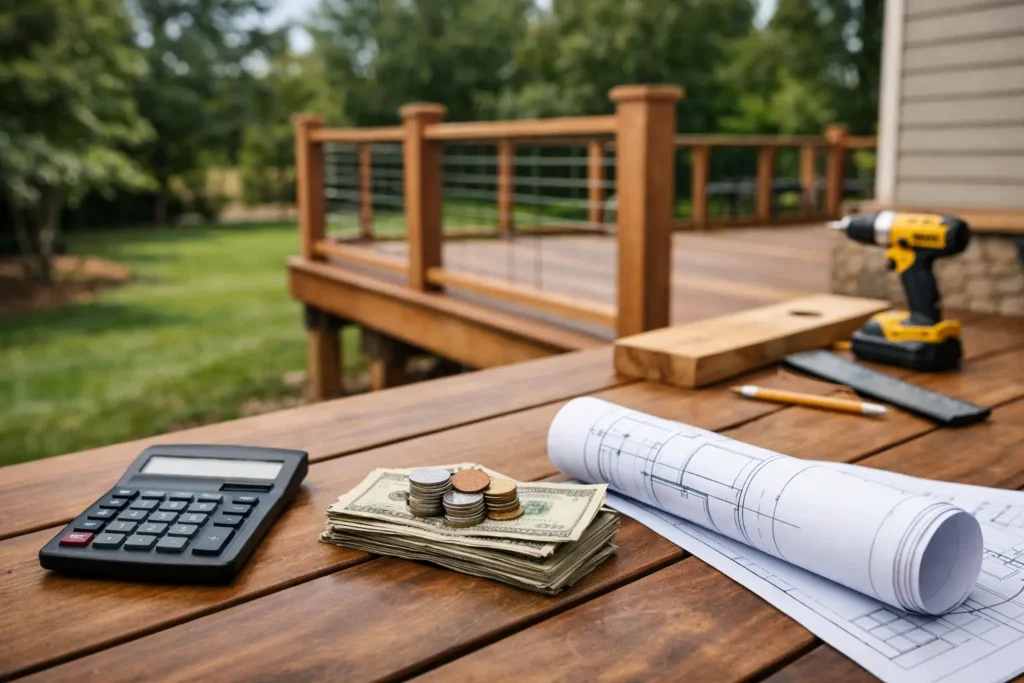
A new deck can look simple from the yard, but the price behind it rarely is. If you are researching deck building cost per square foot, you are probably trying to answer a bigger question: what will this project really cost once materials, labor, permits, and design details are included?
The short answer is that deck pricing can vary a lot. A basic pressure-treated wood deck may start at a lower range, while a large composite deck with custom railings, lighting, stairs, and site work can climb quickly. That is why square-foot pricing is useful as a starting point, but not as the full story.
What deck building cost per square foot usually includes
Most homeowners want a simple number they can use to budget. That is fair. In many cases, deck building cost per square foot includes the framing, decking boards, labor, and a standard installation. But not every contractor builds estimates the same way.
Some quotes include demolition of an old deck, permit handling, and cleanup. Others treat those as separate charges. Railings, stairs, built-in seating, skirting, and electrical work are also often priced outside the base square-foot number. This is where two estimates that look similar at first can end up being very different.
A good estimate should make it clear what is included and what is not. That protects your budget and avoids surprises once work begins.
Average deck cost ranges by material
Material choice has one of the biggest effects on price. Pressure-treated lumber is usually the most budget-friendly option. It gives homeowners a solid outdoor living space without the premium cost of specialty products. The trade-off is maintenance. Wood decks need staining, sealing, and more regular upkeep to stay in good shape.
Cedar and redwood sit at a higher price point. Many homeowners like them for their natural look and warmer finish. They can be a strong choice if appearance matters, but they still need maintenance and may not be the best fit for every budget.
Composite decking usually costs more upfront. That said, it can reduce maintenance over time. Many homeowners are willing to pay more now to avoid frequent sanding, sealing, and staining later. If you plan to stay in your home for years, that higher initial cost may make sense.
PVC and premium decking systems can raise the price further. These products are often chosen for specific performance needs, moisture resistance, or a very polished look. They are not necessary for every project, but they can be worth considering in the right setting.
As a broad estimate, homeowners often see basic deck pricing start around the lower end for pressure-treated wood and move into mid and upper ranges for composite and premium materials. Exact numbers depend on design, access, and local labor conditions.
Why two decks with the same size can cost very different amounts
A 200-square-foot deck is not always priced like another 200-square-foot deck. Size matters, but complexity matters just as much.
A simple rectangular platform deck built close to grade is usually more affordable per square foot than an elevated deck with multiple stair runs. The reason is labor. Once the project needs deeper footings, taller posts, more framing support, guardrails, and detailed finish work, the installation becomes more demanding.
Site conditions also change the cost. Sloped yards, tight backyard access, tree roots, drainage issues, and poor soil can all increase labor and structural requirements. Even hauling materials through a narrow side yard can affect the final price because it slows the crew down.
Then there is the design itself. Picture framing, diagonal board layouts, custom inlays, built-in benches, planters, pergolas, privacy walls, and under-deck finishing all add time and material cost. These features can look great, but they are not minor upgrades.
Labor plays a major role in deck pricing
Homeowners often focus on material costs first, but labor is a major part of the budget. A well-built deck is not just boards attached to a frame. It is a structural project that needs proper footings, solid connections, accurate spacing, code-compliant rail heights, safe stairs, and clean finishing details.
Skilled labor matters even more when the deck connects to the home. Flashing, ledger attachment, moisture protection, and proper load support are critical. Mistakes here can lead to water damage, safety problems, or expensive repairs later.
This is why the cheapest bid is not always the best value. If a quote seems much lower than the others, it is worth asking what has been left out, what materials are being used, and whether permits and inspections are part of the process.
Permits, codes, and inspections add real value
Permits may feel like an extra hassle, but they are part of building the deck the right way. In many areas, a deck project requires permit approval and inspection, especially if it is attached to the house or elevated above grade.
Permit costs vary, and so do local code requirements. Railing height, stair geometry, footing depth, joist spans, and connection hardware all need to meet local standards. These rules are there for a reason. A deck should feel safe and stay safe.
For homeowners in Los Angeles, local code review and site-specific requirements can affect price more than expected. That is especially true on hillside lots or properties with more complicated layouts. In these cases, working with a contractor who understands the process can save time and reduce stress.
How to budget beyond the square foot price
Square-foot pricing is helpful, but smart budgeting means looking at the whole project. Start by deciding what matters most to you. If your goal is a durable, functional outdoor area for family use, a simpler layout and practical materials may be the best fit. If you want a showpiece entertaining space, you should plan for a higher investment.
It also helps to separate must-haves from nice-to-haves. Maybe stairs and railings are essential now, while built-in lighting and custom bench seating can wait for a later phase. That kind of planning gives you more control.
You should also keep room in the budget for site-related surprises. Hidden rot where the deck meets the house, difficult excavation conditions, or changes required by inspection can all affect the final number. A modest contingency can make these issues easier to handle.
When a higher deck cost per square foot makes sense
Paying more per square foot is not always overpaying. In many cases, it means you are getting better materials, stronger craftsmanship, and a deck that will hold up longer with fewer issues.
A low-maintenance composite deck may cost more now, but it may save you years of upkeep. A properly engineered elevated deck may have a higher structural cost, but it delivers safety and long-term performance. Better rail systems, hidden fasteners, and cleaner finishing details can also raise the price while improving the overall result.
The real question is not just what the deck costs today. It is what value you get over the life of the project.
How to compare estimates the right way
If you get multiple proposals, do not compare only the bottom-line number. Look at the framing specs, decking brand or grade, railing details, stair design, permit handling, demolition, disposal, and projected timeline.
Ask whether the quote includes sealing or finishing for wood products. Ask how change orders are handled. Ask who is responsible for inspections and whether cleanup is included. These details tell you a lot about how the job will be managed.
A trustworthy contractor should explain pricing in plain language. You should feel comfortable asking questions. Clear communication is part of good construction service, not an extra.
A better way to think about deck pricing
The best way to use deck building cost per square foot is as a planning tool, not a promise. It helps set a rough budget, compare material options, and understand how features influence price. But the real cost of a deck depends on how it is built, where it is built, and what you want it to do for your home.
A well-built deck adds more than outdoor space. It gives you room to gather, relax, entertain, and enjoy your property in a more useful way. If you want a deck that looks right, performs well, and is priced with honesty, contact Greenwood Contractors for a free estimate. We are here to help you make smart choices and build with confidence.