A custom home starts long before concrete is poured. It starts with a clear plan, honest numbers, and a construction team that listens. When you start a custom home build, the decisions you make early will shape your budget, timeline, comfort, and peace of mind for years to come.
Building from the ground up is exciting, but it is also a major investment. The best projects are not rushed into. They are planned carefully, priced clearly, and managed by professionals who know how to solve problems before they become expensive delays.
Start a Custom Home Build With a Realistic Vision
Before choosing finishes or sketching out a dream kitchen, think about how you want to live in the home. A custom build should work for your daily routine, not just look good in photos.
Consider how many people will live in the home now and in the future. Think about the rooms you use most, where you need privacy, and where your family gathers. A growing family may need flexible bedrooms, more storage, and an open living area. Homeowners planning to age in place may want a first-floor primary suite, wider doorways, and fewer steps.
It also helps to separate your must-haves from your nice-to-haves. A larger pantry, home office, covered patio, or three-car garage may all sound essential at first. Once you begin comparing costs, some choices may need to be adjusted. That does not mean giving up on quality. It means putting your money where it will have the most value for your lifestyle.
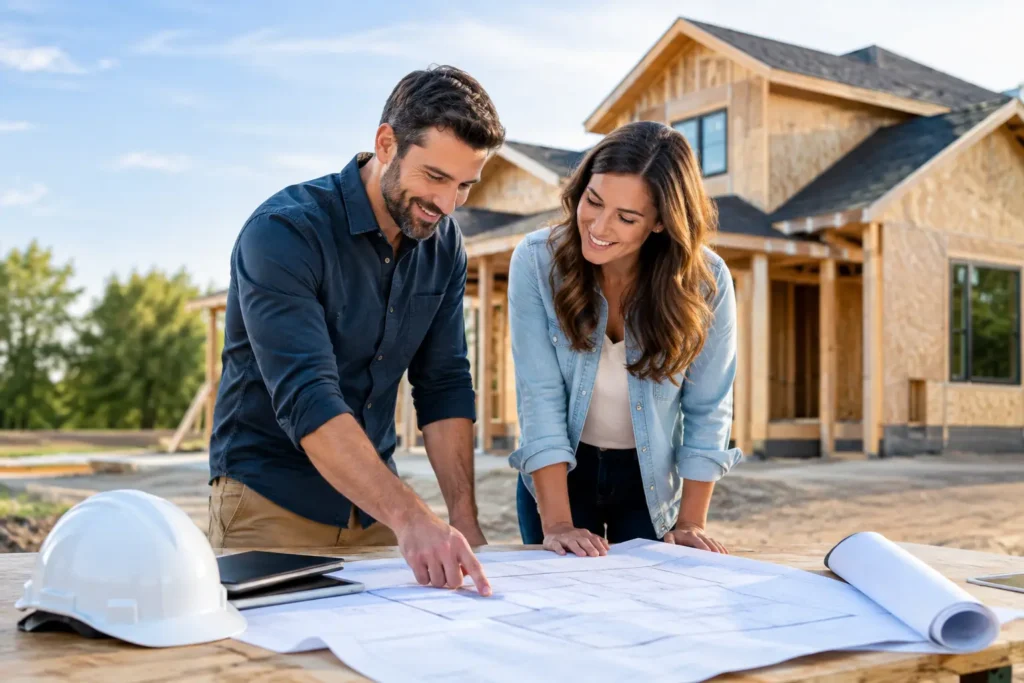
Bring photos, notes, floor plan ideas, and a list of priorities to your first meeting with a contractor. Clear communication from the beginning helps your builder understand what matters most to you.
Set a Budget That Includes More Than Construction
One of the most common mistakes in a custom build is focusing only on the cost to build the house itself. The full budget may also include land preparation, permits, design fees, utility connections, site drainage, landscaping, driveways, and unexpected conditions beneath the surface.
Your lot can have a major effect on cost. A flat, accessible property with nearby utilities is often simpler to build on than a steep or narrow lot. Soil conditions, grading needs, retaining walls, septic systems, and local requirements can all change the scope of work.
Your budget should also account for finish selections. Flooring, cabinetry, windows, appliances, lighting, plumbing fixtures, and countertops can vary widely in price. It is wise to decide early where you want to invest. For example, durable windows and quality insulation may offer better long-term value than a trendy fixture that can be changed later.
Keep a contingency fund for surprises. Even with careful planning, construction can reveal hidden site conditions or require adjustments to meet code. A realistic reserve gives you room to make smart decisions without putting the entire project under pressure.
Ask for Clear, Detailed Pricing
A trustworthy contractor should explain what is included in the estimate and what is not. Ask how allowances are handled, what happens if you change materials, and how change orders are approved.
The lowest number is not always the best value. An unusually low bid can leave out necessary work, rely on lower-quality materials, or lead to costly additions later. Look for complete scope details, transparent pricing, and a builder who is willing to answer direct questions.
Choose the Right Lot Before Finalizing the Design
The right home plan depends on the property. Sun exposure, views, setbacks, access, drainage, easements, and local zoning rules all affect what can be built and where.
For example, a beautiful lot with a steep slope may call for more grading, foundation work, or retaining walls. A narrow Los Angeles-area lot may limit the width of the home and require thoughtful placement of windows, parking, and outdoor space. These are not reasons to walk away automatically, but they need to be understood before you commit to a design.
A contractor can help evaluate whether the lot supports your goals and budget. This step can prevent a frustrating situation where you fall in love with a plan that does not fit the site or local requirements.
Build the Right Team Around Your Project
A custom home is too significant to trust to vague promises. Your contractor, architect or designer, engineers, and trade professionals should work from the same plan and communicate clearly.
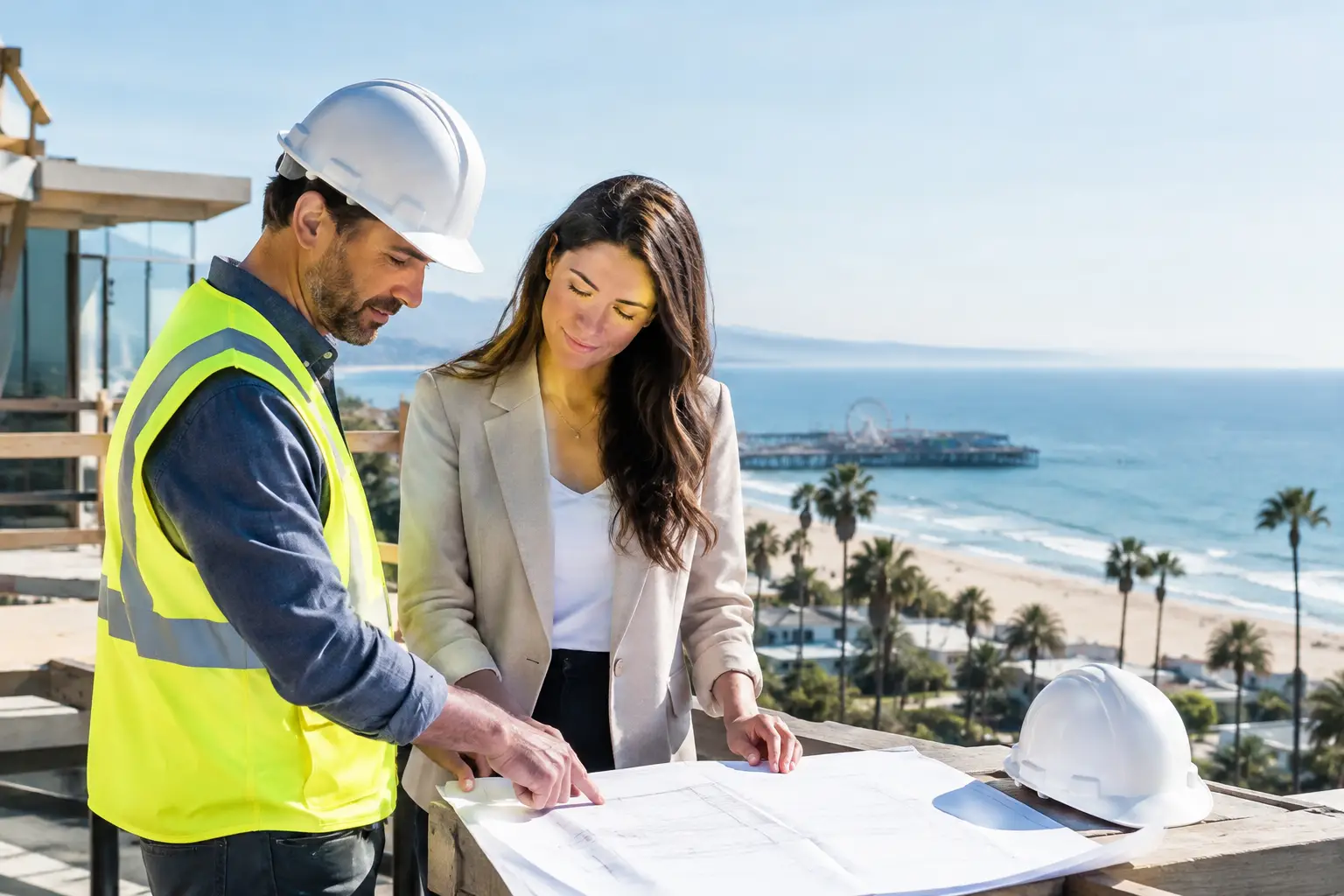
Start by looking for a licensed, insured general contractor with relevant new construction experience. Review completed work, ask about project management, and find out who will be your point of contact during construction. You should know how often you will receive updates and who will address questions when they come up.
Good communication is not an extra service. It is part of good construction. You need a team that explains options in plain language, keeps records organized, and addresses concerns quickly.
Questions Worth Asking a Contractor
Before signing an agreement, ask how the contractor handles permits, inspections, scheduling, material lead times, and changes during the build. Ask whether they use in-house crews, subcontractors, or both. You should also understand the payment schedule and what milestones trigger each payment.
Pay attention to the answers. A dependable contractor will not promise that every part of construction is predictable. Weather, inspections, material availability, and site conditions can affect a schedule. What matters is having a team that plans ahead and communicates honestly when conditions change.
Design for Performance, Not Just Appearance
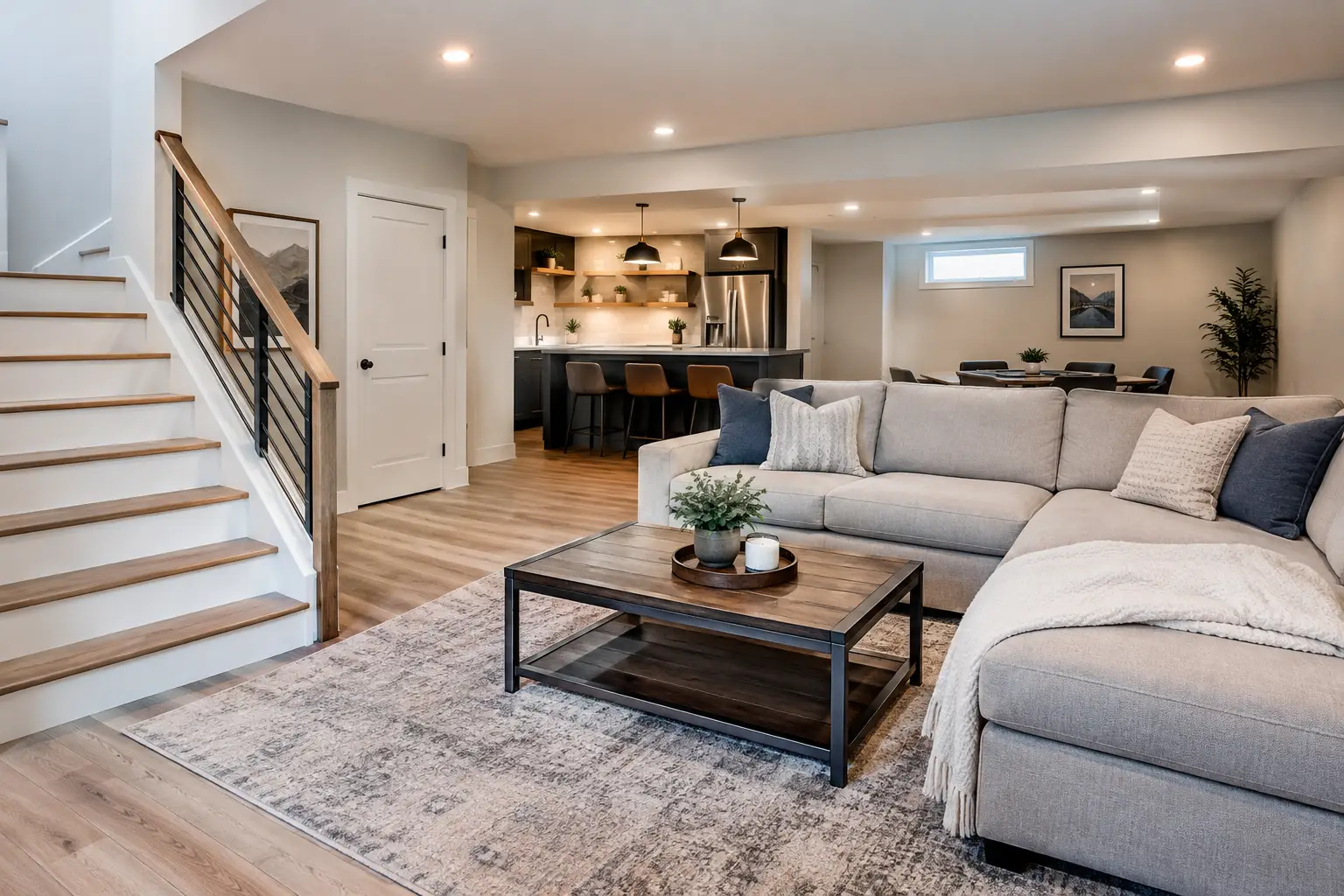
A custom home gives you control over details that can make everyday life easier. Storage, traffic flow, natural light, outlet placement, laundry access, and kitchen layout may seem small during planning. Once you move in, they make a real difference.
Think about energy efficiency early as well. Proper insulation, efficient windows, ventilation, heating and cooling systems, and thoughtful orientation can improve comfort and help control long-term utility costs. These choices work best when they are part of the design from the beginning rather than last-minute upgrades.
Durability should guide many of your selections. A busy household may benefit from scratch-resistant flooring, easy-clean surfaces, and materials that hold up to children, pets, and regular use. If you plan to stay in the home for decades, choose features that will continue to serve you well after current trends fade.
Understand Permits, Timelines, and Decisions
Custom homes move through several stages: design, engineering, permitting, site preparation, foundation, framing, mechanical systems, finishes, inspections, and final completion. Each stage depends on the work before it.
Permitting timelines vary by location and project complexity. Some approvals move quickly, while others take longer because of zoning reviews, plan corrections, or utility coordination. Your contractor should help you understand the likely process before construction begins.
Once work is underway, timely decisions matter. Delayed selections for cabinets, tile, appliances, or fixtures can slow the schedule, especially when materials have long lead times. You do not need to choose every finish on day one, but you should follow a clear selection schedule.
Changes are sometimes necessary. The key is to make them with full information. Before approving a change, understand the added cost, timeline impact, and effect on related work. Written change orders protect everyone and keep the project organized.
Make Your First Steps Count
The best way to start a custom home build is to slow down at the beginning. Define how you want to live, confirm what you can invest, evaluate the property, and choose a contractor who treats your project with care.
A well-built home is not created by guesswork. It comes from thoughtful planning, skilled craftsmanship, reliable project management, and honest communication from the first conversation to the final walkthrough.
When you are ready to turn your plans into a home built around your needs, contact Greenwood Contractors for a free estimate.