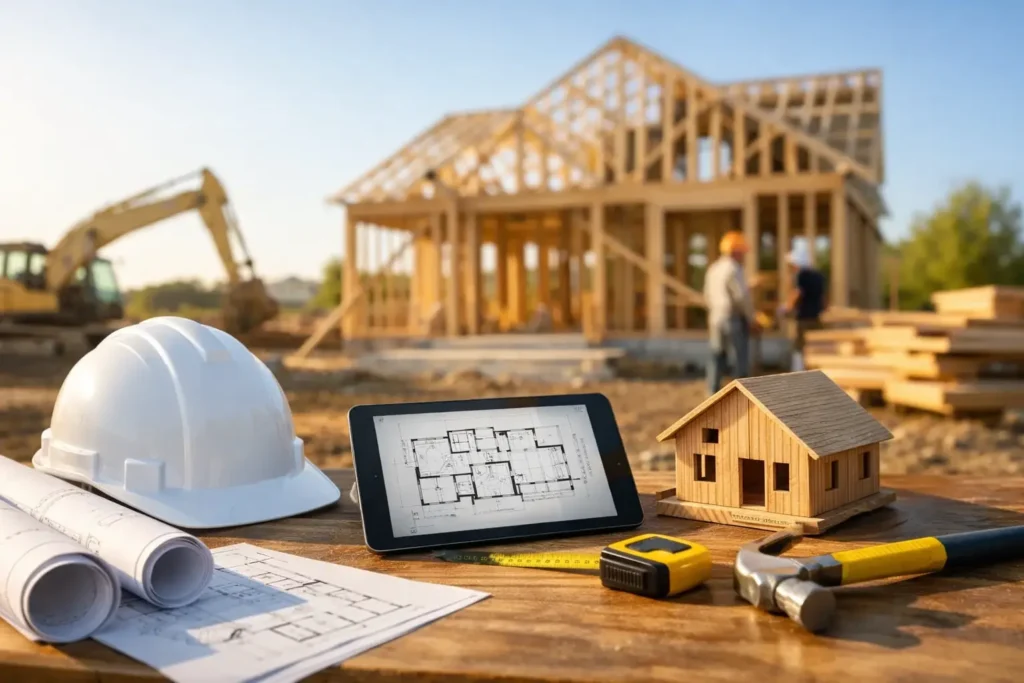
You can pick finishes in a weekend. You cannot build a house that fast. A realistic new home construction timeline is one of the first things homeowners need to understand before breaking ground, because timing affects your budget, living plans, financing, and stress level just as much as design choices do.
Most new homes take several months to complete, and some take longer depending on size, weather, permits, labor availability, site conditions, and material lead times. That range can feel frustrating when you want a move-in date on the calendar. Still, knowing how the process actually unfolds helps you plan better and avoid surprises.
What a new home construction timeline usually looks like
A typical new home construction timeline often falls between 7 and 12 months from permitting to final completion. If the home is larger, more customized, or built on a difficult site, the schedule can stretch beyond that. If the design is straightforward and the project team is organized, things may move faster.
The key thing to remember is that home construction does not move in one smooth line. Some phases go quickly, while others pause for approvals, inspections, weather, or back-ordered materials. That does not always mean the project is off track. It often means the builder is working through the normal realities of construction.
Before construction starts, there is a planning phase
Many homeowners think the timeline begins when excavation starts. In reality, important work happens well before the first shovel hits the ground. This pre-construction stage can take several weeks or even a few months depending on the project.
During this phase, plans are developed, budgets are reviewed, engineering may be completed, permits are submitted, and product selections often begin. If the lot has grading issues, access concerns, utility challenges, or zoning questions, those details can add time early on.
This part may feel slow because not much is visible on site. But it is one of the most important stages. Good planning reduces delays later. It also helps prevent expensive changes once the build is already underway.
Permits and approvals can affect the schedule early
Permit timing varies by city and county. Some approvals move quickly. Others take longer, especially if revisions are needed or local review departments are backed up. In parts of Los Angeles, permit review can be a major factor in the overall schedule, especially for custom work or lots with added complexity.
That is one reason experienced project management matters. A contractor who understands the local process can often spot issues early and keep paperwork moving.
Site work and foundation set the pace
Once permits are approved, the physical build begins with site preparation. This may include clearing, grading, utility prep, staking, and excavation. After that, crews pour the foundation.
This phase usually takes a few weeks, but the timeline depends heavily on soil conditions, rain, inspections, and the type of foundation being installed. A simple slab foundation may move faster than a more complex foundation system.
Foundation work is not the place to rush. If the ground is not properly prepared or concrete work is not done correctly, the problems can follow the house for years. A dependable contractor will focus on getting this stage right, even if that means protecting the schedule by slowing down for quality control.
Framing is when the house starts to feel real
Framing is one of the most exciting stages for homeowners because the structure becomes visible quickly. Walls go up, roof lines take shape, and the layout finally makes sense in real space.
This stage often takes several weeks, depending on the home’s size and complexity. Once framing is complete, the project moves into rough-in work for plumbing, electrical, and HVAC systems. Inspections are typically required before walls can be closed up.
Rough-ins bring coordination challenges
This is where scheduling becomes more layered. Multiple trades need to work in the right sequence, and each one must complete work before the next inspection or installation can happen. If one crew is delayed, others may need to wait.
That is why communication matters so much in a new build. A well-managed job stays organized even when small changes happen. A poorly managed one can lose days or weeks because the schedule was never realistic to begin with.
Insulation, drywall, and interior progress
After rough-in inspections are approved, insulation is installed and drywall goes up. At this point, the home starts looking less like a job site and more like a finished interior.
Drywall, taping, sanding, and texture work can take a few weeks. Then come interior finishes such as flooring, cabinets, trim, doors, paint, countertops, tile, plumbing fixtures, and lighting.
This phase often feels long because it includes many details. It is also where homeowner selections can affect the schedule. Custom cabinets, specialty tile, imported fixtures, and made-to-order windows may all increase lead times. If materials arrive late, installers may need to reschedule.
There is a trade-off here. Customization gives you a more personal home, but it usually adds complexity. If staying on a tight timeline matters most, choosing readily available materials can help.
Exterior work often happens alongside interior work
While the interior is progressing, exterior work may continue at the same time. Roofing, siding, windows, exterior paint, driveways, walkways, and landscaping can overlap with inside phases, depending on weather and job sequencing.
That overlap helps keep the timeline moving. Still, outdoor work is more vulnerable to rain, extreme heat, and site access problems. Weather delays are normal in construction. The best contractors plan for them instead of pretending they will not happen.
Final inspections and punch list items
Toward the end of the project, the home goes through final inspections and a punch list process. The punch list covers smaller remaining items such as paint touch-ups, hardware adjustments, trim fixes, appliance checks, and other finish details.
This stage may sound minor, but it matters. A quality builder does not treat the final stretch like an afterthought. The goal is not just to finish fast. It is to finish cleanly and correctly.
Final utility connections, municipal approvals, and certificate requirements can also affect move-in timing. Even when the house looks done, there may still be administrative steps before occupancy is approved.
What can delay a new home construction timeline?
The most common delays are weather, permit issues, material shortages, labor scheduling conflicts, design changes, inspection hold-ups, and unexpected site conditions. Some delays are avoidable. Others are simply part of building.
Change orders are a big one. When homeowners decide to move walls, change window sizes, upgrade systems, or select different finishes after work has started, the schedule usually shifts. That does not mean changes are wrong. It just means they come with consequences for both cost and timing.
Financing can also affect the schedule. If lender approvals, draw releases, or documentation are delayed, construction may slow down while paperwork catches up.
How homeowners can help keep the project moving
A smooth timeline is never just the contractor’s responsibility. Homeowners play a role too. Fast decision-making helps. So does choosing materials early, reviewing plans carefully, and asking questions before work begins instead of during installation.
It also helps to build your personal schedule around flexibility. If you need to move out of a current home, coordinate school timing, or line up temporary housing, give yourself cushion. Construction schedules are best handled with realistic expectations, not exact-day promises too far in advance.
The best timeline is a transparent one
The most valuable thing a contractor can offer is not an unrealistically short schedule. It is a clear one. Honest communication about milestones, risks, and progress makes the entire process easier to manage.
That is especially true on custom homes, additions that tie into existing structures, and projects with site or permit complexity. Homeowners deserve straight answers about what is happening and what comes next.
Why quality and speed need balance
Everyone wants a fast build. That makes sense. But speed without coordination can create mistakes, rework, and frustration. A reliable contractor knows when to move quickly and when to slow down for inspections, craftsmanship, and problem-solving.
That balance is what protects your investment. The right team keeps the project moving while staying focused on workmanship, safety, and long-term performance. A home is too important to build on rushed decisions.
If you are planning a new home and want honest guidance on scheduling, budgeting, and what to expect at each stage, contact Greenwood Contractors for a free estimate. A helpful conversation early on can save time, money, and a lot of avoidable stress later.