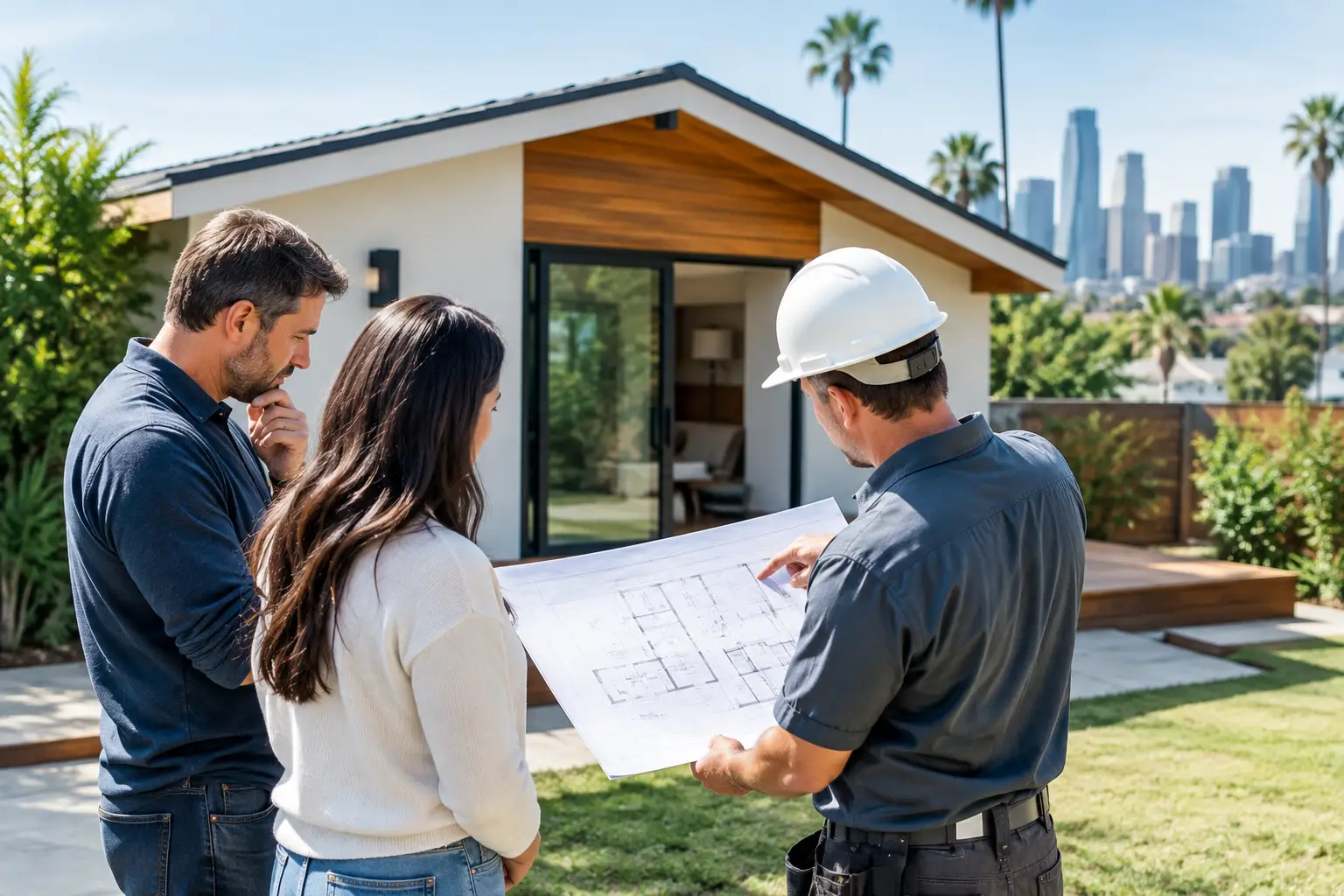

A garage conversion can look simple from the driveway. Inside, it is often a full change of use that touches framing, insulation, electrical, plumbing, windows, and life-safety rules. That is why a solid garage conversion permits guide matters before anyone starts demolition. Getting permits right at the beginning usually saves money, prevents delays, and protects the value of your home.
For many homeowners, the biggest mistake is assuming a garage conversion is just a cosmetic remodel. In most cases, it is not. Once you turn that space into a bedroom, office, rental unit, gym, or family room, the city or county may treat it very differently than an unfinished garage. The work needs to meet current code, not the standards from when the house was first built.
What a garage conversion permits guide should help you understand
Permits are not just paperwork. They are the local government’s way of checking that the work is safe, legal, and properly documented. A garage was designed for vehicles and storage. A habitable room has to meet a different set of requirements for comfort and safety.
That change affects more than one trade. Ceiling height may need review. Floor level differences can matter. Insulation in walls and ceilings often needs upgrading. Heating and cooling may be required. Windows may need to meet light, ventilation, or emergency escape rules depending on how the new room will be used.
This is where homeowners get tripped up. They budget for drywall and flooring but forget permit fees, plan review, inspections, and code corrections. None of that means a garage conversion is a bad idea. It just means the project needs a realistic plan.
Which permits are usually required?
The exact permits depend on your city, county, and the scope of work. Still, most garage conversions involve a building permit at minimum. If you are adding outlets, lighting, or a subpanel, you may also need an electrical permit. If the project includes a bathroom, sink, laundry, or wet bar, plumbing permits are common. Mechanical permits may apply if you are extending HVAC, adding a mini-split, or changing ventilation.
Some properties need zoning review too. This can be one of the biggest variables. Local rules may limit parking replacement, occupancy type, setback issues, or whether the converted garage can be used as an independent living space. If you plan to create an ADU or rental unit, expect more review than you would for a simple bonus room attached to the house.
Historic districts, HOA rules, and coastal or hillside overlays can also affect approvals. Even when the city approves the work, private HOA restrictions may still apply. That is an easy detail to miss.
Garage conversion permits guide for common room types
Not all conversions face the same level of review. A basic home office or playroom is usually more straightforward than a new studio apartment with a kitchenette and bathroom. The more you add, the more code requirements come into play.
If the new room will be a bedroom, egress becomes a bigger issue. There may need to be an emergency escape window or door with specific dimensions. If it will be a living area, energy code and insulation requirements become especially important. If you want a bathroom, the plumbing layout and sewer connections may add time and cost.
An ADU is often the most regulated version of a garage conversion. It may trigger separate rules on fire separation, independent utilities, kitchen requirements, addressing, and parking. This is where professional planning matters most because small design decisions can affect whether the permit is approved quickly or sent back for revisions.
What local building departments usually review
When you submit plans, the reviewer is not only checking your layout. They are looking at whether the converted space will perform like legal living space. That can include structural details, foundation conditions, energy compliance, smoke and carbon monoxide alarms, electrical load, and safe access.
Garages often have conditions that do not translate well into living space without upgrades. The slab may slope toward the garage door. Walls may be unfinished or missing proper insulation. Existing ceiling framing may not support the intended finish. Sometimes old garage electrical work is minimal and not suited for a finished room.
Water intrusion is another common problem. If a garage has poor weather sealing or sits lower than the adjacent house floor, that needs attention before the space is enclosed and furnished. A permit process may feel slow, but it often catches issues early, before they become expensive callbacks.
How to prepare before you apply
Start with your goal. Are you creating extra family space, a guest suite, a home office, or an income-producing unit? That answer shapes the permit path. It also affects your budget, timeline, and design.
Next, verify how your local jurisdiction classifies the project. Some cities make a clear distinction between converting a garage into habitable space and converting it into a separate dwelling unit. Those are not the same thing on paper, even if they happen in the same footprint.
It also helps to gather basic property information before plans are drawn. You may need the existing square footage, site plan, legal property description, and details about utilities. If the garage has unpermitted work from a prior owner, deal with that early. Hidden issues tend to surface during plan review or inspection, and they can complicate the whole project.
A qualified contractor or designer can save a lot of time here. Good planning does not guarantee an instant permit, but it usually leads to fewer revisions and fewer surprises.
Common permit mistakes that cost homeowners time
The first mistake is starting work too soon. Homeowners sometimes remove the garage door, frame new walls, or run wiring before permits are issued. If the city finds out, you may face stop-work notices, fines, or a requirement to open finished walls for inspection.
The second mistake is assuming old conditions are grandfathered in. Sometimes they are, but once you remodel, parts of the space may need to meet current code. That can affect insulation, windows, smoke alarms, and structural upgrades.
The third mistake is underestimating parking and zoning rules. In some areas, losing covered parking is not a big issue. In others, it can affect approval. The answer depends on local code, lot conditions, and the intended use of the converted space.
The fourth mistake is using vague plans. Sketches may be enough for a paint project, not for a legal garage conversion. Permit departments usually want clear drawings with dimensions, materials, electrical layout, and other details that support code review.
Timeline and budget realities
A permit timeline can range from fairly quick to several weeks or more. It depends on your city, the completeness of the plans, and whether corrections are required. If your project includes structural changes, plumbing additions, or ADU use, plan for more review.
Permit costs also vary. The permit fee itself is only one part of the picture. You may also need plan preparation, engineering, energy documents, school fees in some cases, and inspection coordination. A cheap estimate that ignores permit-related costs is usually not a bargain.
That said, permits are still the less expensive path compared with fixing unpermitted work later. If you ever refinance or sell, buyers and appraisers may ask whether the converted garage was done legally. Missing permits can reduce value or create negotiation problems.
Should you handle permits yourself or hire a contractor?
It depends on the complexity of the job and how comfortable you are dealing with local building departments. Some homeowners want direct control and are willing to manage drawings, submittals, and inspection scheduling. That can work on simple projects, but it often becomes stressful when corrections come back or multiple trades are involved.
A contractor who regularly handles garage conversions can usually spot issues before they delay the permit. They can also help align the design with real construction conditions, not just what looks good on paper. That matters because the permit process and the actual build should support each other.
For homeowners in Los Angeles, this is especially relevant. Local review can be detailed, and garage conversions often involve zoning and code questions that benefit from experienced guidance. Working with a team that understands the process can save weeks of back-and-forth.
The smartest way to approach your project
Treat your garage conversion like a real addition to your home, because that is how the permit process often sees it. Build your budget around legal, code-compliant work. Leave room for revisions. Ask questions early. And choose professionals who explain the trade-offs clearly instead of promising shortcuts.
A well-permitted conversion gives you more than extra square footage. It gives you peace of mind that the room is safe, documented, and built to last. If you are planning a garage conversion and want clear answers before the work begins, contact Greenwood Contractors for a free estimate. We are here to help you move forward with confidence.