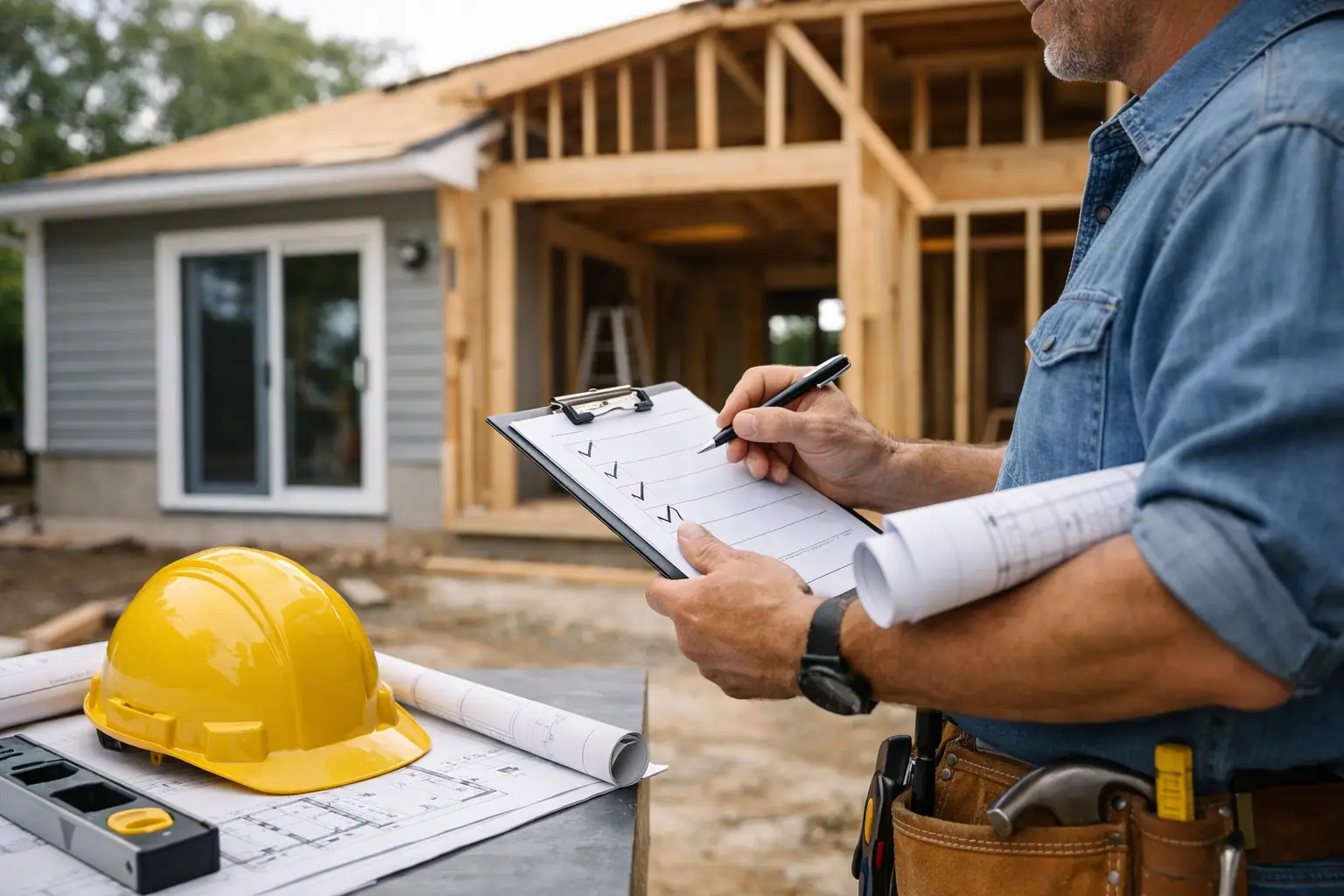
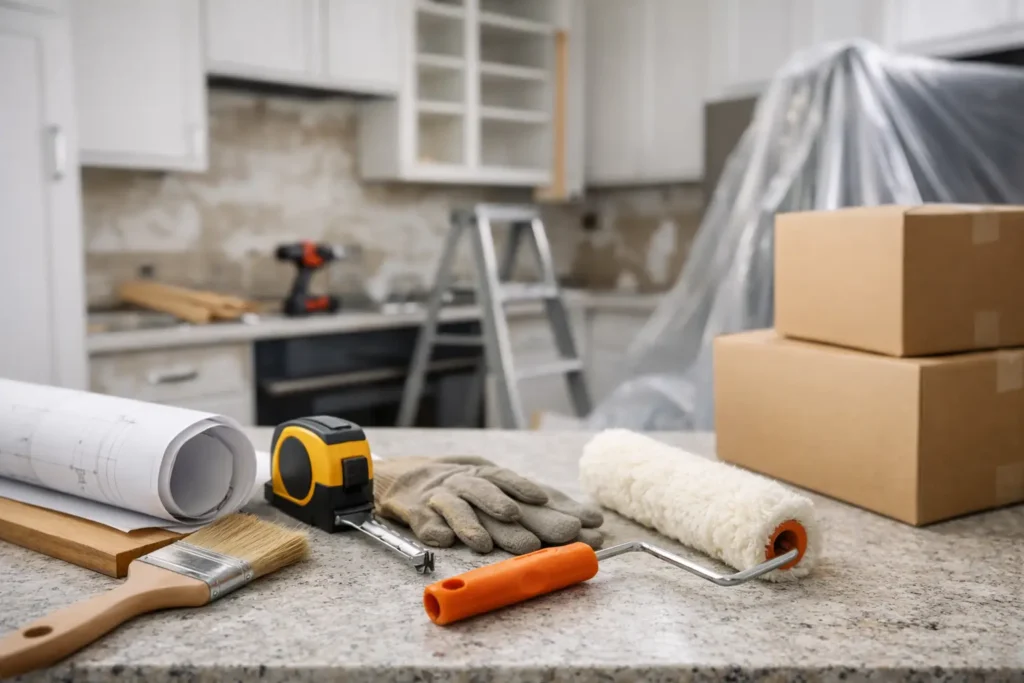
The hardest part of a kitchen remodel often starts before the first cabinet comes out. It starts when you realize your daily routine is about to change for weeks, maybe longer, and every decision you make now will affect cost, timeline, and stress later. If you want to prepare for kitchen remodel work the right way, the goal is simple: reduce surprises before construction begins.
A well-prepared project feels different from a rushed one. Materials are ready. Expectations are clear. The household knows what to expect. Your contractor can focus on building instead of chasing missing answers. That is how good remodels stay on track.
Why it pays to prepare for kitchen remodel projects early
Most kitchen problems do not begin with tile or cabinets. They begin with unclear planning. Homeowners change layouts halfway through, order appliances late, or realize too late that their budget only covered the visible finishes and not the electrical, plumbing, or repair work behind the walls.
Early preparation gives you room to make better choices. You can compare materials without pressure, adjust the scope before contracts are signed, and talk through the real trade-offs. For example, custom cabinets may give you a better fit and storage, but they usually take longer. Keeping your existing layout can save money, but it may limit how much the kitchen improves functionally. There is rarely one perfect answer. There is the answer that best fits your home, budget, and priorities.
Start with your goals, not just your inspiration photos
A lot of homeowners start with style, and that makes sense. You want the kitchen to look better. But a remodel works best when you define how the space needs to function first. Think about what is not working now. Maybe storage is poor. Maybe traffic flow is awkward. Maybe the lighting is weak and the kitchen feels dark even during the day.
Write down your top priorities in plain language. Better storage. More counter space. A larger island. Room for two people to cook at once. Easier cleanup. Stronger lighting. This list helps every later decision feel more grounded. It also helps your contractor recommend solutions that fit the way you actually live.
Keep your must-haves separate from your nice-to-haves. That distinction matters when pricing comes in. If the budget gets tight, you will know what to protect and what can be scaled back.
Build a realistic budget with a buffer
Kitchen remodel budgets often grow when homeowners plan only for finishes. Cabinets, countertops, flooring, and backsplash are the visible part. The less visible part includes permits, demolition, disposal, framing adjustments, plumbing moves, electrical upgrades, drywall repair, paint, and labor.
Older homes can add another layer of uncertainty. Once walls are opened, issues like outdated wiring, water damage, or uneven framing may need to be fixed before new work can continue. That is why a contingency matters. A buffer of 10 to 20 percent is often the difference between handling a surprise calmly and feeling stuck mid-project.
It also helps to decide where your money matters most. If you cook daily, spending more on layout, cabinetry, and lighting may give you more value than chasing the most expensive backsplash. If resale is part of your thinking, balance personal taste with broad appeal. Bold choices can look great, but they are not always the smartest investment.
Finalize design decisions before demo day
One of the best ways to prepare for kitchen remodel construction is to make as many decisions as possible before work begins. Last-minute choices slow everything down. If your contractor has to stop and wait for a faucet selection, cabinet hardware, or appliance specs, the schedule can shift quickly.
Try to finalize your layout, cabinet style, countertop material, sink, faucet, flooring, lighting, paint color, backsplash, and appliances in advance. Confirm sizes carefully. A beautiful range that does not fit the planned cabinet spacing is not a small problem. Neither is a refrigerator door that cannot open fully because the island is too close.
Lead times matter too. Some materials arrive fast. Others can take weeks or months. Custom pieces, specialty finishes, and backordered appliances are common sources of delay. Ordering early protects your timeline and gives you more flexibility if a product becomes unavailable.
Have a clear conversation with your contractor
A smooth remodel depends on communication. Before work starts, make sure you understand the project schedule, payment structure, work hours, and who your main point of contact will be. Ask how change orders are handled and what happens if hidden issues are found.
This is also the time to talk about practical jobsite details. Which entrance will the crew use? Where will materials be stored? How will dust be controlled? Will the water or power be shut off at certain times? These details may sound small, but they shape your day-to-day experience during the remodel.
Homeowners also benefit from asking what they need to do versus what the contractor will handle. Some clients assume appliance delivery coordination is included. Some assume permits are automatic. Good contractors are transparent, but clear questions prevent avoidable misunderstandings.
Set up a temporary kitchen before the work begins
Losing your kitchen is the part many people underestimate. Even a smaller remodel can disrupt meal prep, dishwashing, and storage. A temporary kitchen will not replace the real thing, but it can make the process much easier.
Pick a space with access to an outlet and, if possible, a nearby sink. A dining room, laundry room, garage, or spare area can work. Move over the essentials you use most: microwave, toaster oven, coffee maker, electric kettle, paper towels, basic dishes, utensils, and a few pantry staples. If you have space, a folding table or rolling cart can help create a simple prep zone.
Think realistically about your household. Families with kids usually need more planning than a one-person household. If someone works from home, noise and access may matter more. If you entertain often, expect to pause that routine for a while. The more honest you are about your habits, the better you can prepare.
Pack and protect the surrounding areas
Before demolition starts, empty all cabinets, drawers, and nearby shelves. Do not leave this for the night before. Kitchens hold more than most people realize, and packing takes longer than expected.
Group items by use so unpacking feels easier later. Everyday items should be easiest to access in your temporary setup. Rarely used serving pieces can go into labeled boxes. This is also a great time to get rid of duplicates, chipped dishes, expired pantry items, and small appliances you never use.
Dust can travel farther than you expect. Protect nearby rooms, especially if your kitchen opens into a living or dining area. Move artwork, cover furniture if needed, and store valuables away from the work zone. If pets are sensitive to noise or open doors, make a plan to keep them safe and calm during construction hours.
Prepare your home and schedule for disruption
Even with a well-run project, remodeling is disruptive. There will be noise, people coming and going, and days when the house feels less comfortable than usual. Preparing mentally and logistically helps more than most homeowners expect.
Look at your calendar before work starts. If you have travel planned, family visiting, or major events at home, tell your contractor early. Some timing conflicts are manageable. Others may affect key decisions or access to the property. If you work from home, consider whether you need alternate arrangements during demolition, flooring installation, or other loud phases.
Parking and access matter too, especially in tighter Los Angeles neighborhoods where space can be limited. Making a clear plan for crew access and deliveries can prevent frustration for everyone involved.
Expect a few surprises and stay flexible
The best remodel plans still face real-world conditions. A wall may not be framed as expected. Flooring transitions may need adjustment. An old plumbing line may be in the wrong place. Good preparation does not eliminate every surprise. It puts you in a better position to handle them without panic.
That is why trust matters so much in construction. You want a contractor who explains problems clearly, offers honest recommendations, and keeps the work moving with as little disruption as possible. Fast turnaround is valuable, but only when paired with quality craftsmanship and clear communication.
If you are getting ready to prepare for kitchen remodel work, slow down just enough to plan it well. A few smart decisions before demo can save time, money, and a lot of stress once the project starts. When you are ready for dependable guidance and quality results, contact Greenwood Contractors for a free estimate.