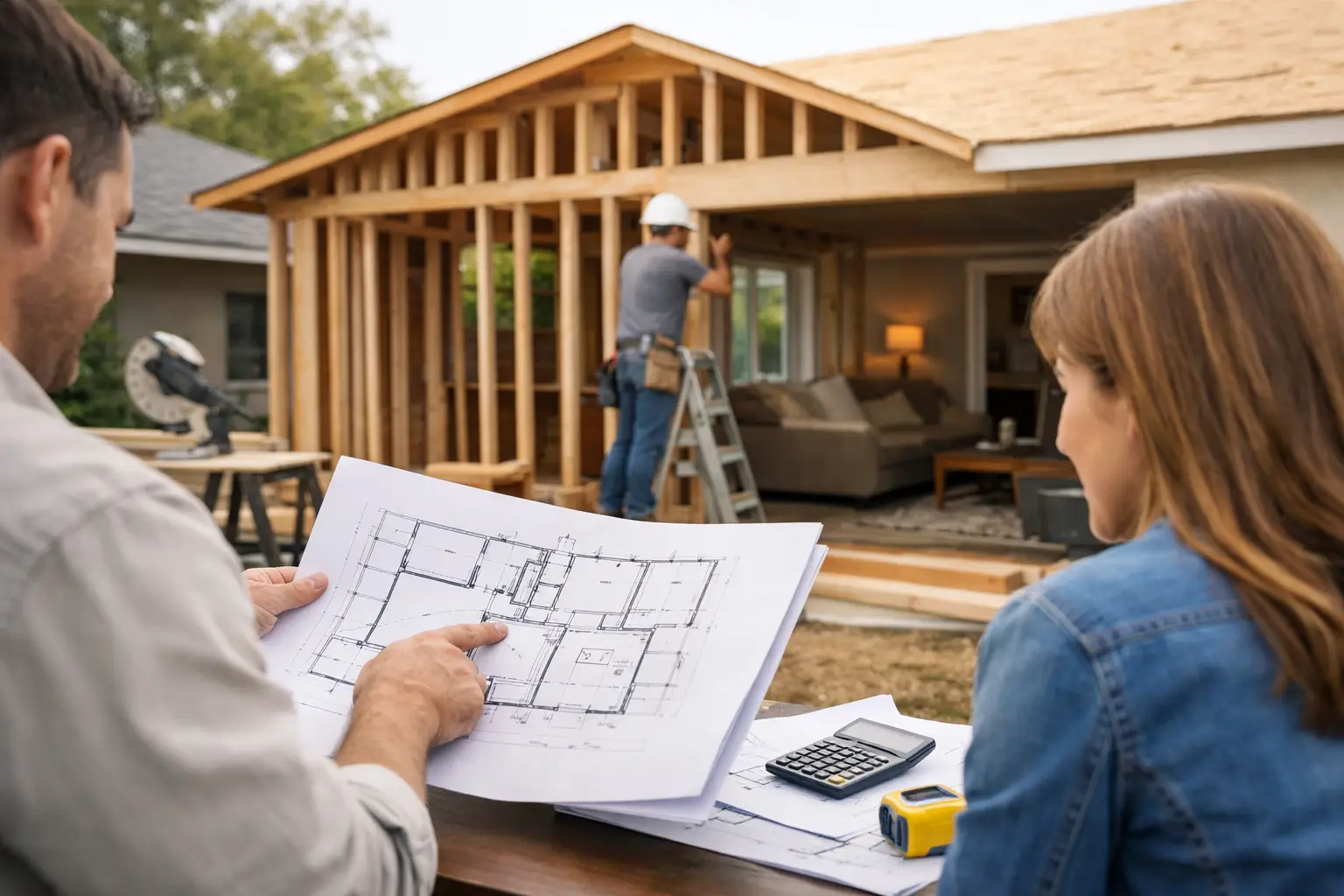
A home addition can fix a real problem fast. Maybe the family has outgrown the layout. Maybe you need a first-floor suite for a parent, a larger kitchen, or an ADU that actually adds value. The hard part is not deciding to build. It is choosing the right team, and that is where a solid home addition contractor checklist makes all the difference.
The wrong contractor can cost you months, money, and a lot of stress. The right one brings order to the process. They help with design coordination, explain costs clearly, keep the job moving, and protect the quality of your home while the work is underway. A checklist helps you separate a polished sales pitch from real professionalism.
Why a home addition contractor checklist matters
Home additions are more complex than many homeowners expect. You are not just updating finishes. You are tying new work into an existing structure, roofline, foundation, mechanical systems, and daily living space. That takes planning, experience, and strong project management.
A contractor may look impressive online and still be a poor fit for your project. Some companies are great at cosmetic remodels but struggle with structural work. Others may offer a low number up front, then make up the difference through change orders, delays, or vague allowances. A checklist keeps the conversation focused on the details that actually protect your budget and your home.
The contractor basics to verify first
Start with the non-negotiables. Before you compare style, pricing, or personality, confirm that the contractor is legally and professionally set up to do the job. Ask about licensing, insurance, and the type of projects they handle most often.
For a home addition, experience matters in a very specific way. You want a contractor who has completed additions similar in size and scope to yours, not just general remodeling work. A second-story addition, room bump-out, garage conversion, and detached ADU all come with different planning and construction challenges.
It also helps to ask who will actually run the job. In some companies, the person who gives the estimate disappears once the contract is signed. In others, there is a dedicated project manager or lead superintendent who stays in close contact. Clear responsibility leads to better communication.
Ask these questions early
A few direct questions can tell you a lot. How long have you been building additions? Have you completed projects like mine recently? Will you handle permits and inspections? Who will supervise the work each day? How do you manage unexpected structural issues once walls are opened?
You do not need perfect answers. You need honest ones. A dependable contractor will explain the process in plain language and tell you where things may vary.
How to review estimates without getting fooled by price
Most homeowners compare bids by looking at the bottom line first. That is understandable, but it is also where mistakes happen. Two estimates can be thousands apart for reasons that have nothing to do with efficiency or value.
One contractor may include demolition, permits, framing, insulation, drywall, electrical, plumbing, windows, flooring, and cleanup. Another may leave several of those items vague or excluded. If you only compare totals, the lower bid can look better right up until construction starts.
Ask for a written breakdown that shows what is included, what is excluded, and what is listed as an allowance. Allowances deserve special attention. If a quote includes a low allowance for cabinets, tile, lighting, or fixtures, you may end up paying much more once you choose actual materials.
A good estimate should feel specific. It should show that the contractor understands the project, not that they are guessing. Transparent pricing is a trust signal. So is a willingness to explain it.
Signs a contractor is organized enough for an addition
Home additions create disruption. Parts of your home may be opened up for weeks. Utilities may need temporary adjustments. Materials must arrive in the right sequence. Inspections must happen at the right stage. Organization is not a bonus. It is part of the product.
Pay attention to how the contractor communicates before you hire them. Are they on time for meetings? Do they answer questions clearly? Do they send written follow-up notes or revised estimates when requested? If communication is sloppy during the sales process, it rarely improves once the work begins.
You should also ask about scheduling. What is the expected start date? How long should construction take? What could delay the timeline? No honest contractor can promise a project with zero surprises, but they should be able to explain how they plan the job and keep it moving.
Red flags worth taking seriously
Be careful with contractors who pressure you to sign quickly, ask for unusually large deposits, avoid written details, or make promises that sound too smooth. If someone says they can start tomorrow, finish far faster than everyone else, and beat every price by a wide margin, there is usually a reason.
Another red flag is vague language around permits. Some homeowners hear that permits will only slow things down and are tempted to skip them. That can create major problems later when you try to sell, refinance, insure, or legally occupy the new space.
The workmanship questions most homeowners forget to ask
A beautiful finished room is not the only goal. A home addition should look like it belongs with the rest of the house and perform well for years. That means asking about more than finishes.
Find out how the contractor handles structural tie-ins, moisture protection, insulation, ventilation, and transitions between old and new spaces. Ask how they protect floors, walls, and occupied areas during construction. Ask what level of cleanup you should expect at the end of the day and at the end of the project.
You can also ask to see examples of completed work, especially where the addition blends into the original home. A strong contractor pays attention to rooflines, siding transitions, trim details, and interior flow. The new space should not feel like an obvious afterthought.
Your contract should answer more than the price
Once you are close to hiring a contractor, slow down and read the contract carefully. A strong contract is clear, specific, and easy to understand. It should outline the scope of work, payment schedule, estimated timeline, change order process, warranty details, and responsibilities for permits and inspections.
The payment schedule should match progress, not vague promises. That protects both sides. Change orders should also be addressed in writing. In almost every addition, something may shift once construction begins. The key is having a process for pricing and approving those changes before the work moves ahead.
Warranties matter too, but they should be realistic. A contractor who stands behind their work will explain what is covered and for how long. If the warranty language is confusing or missing, ask questions now, not later.
A simple home addition contractor checklist for your final decision
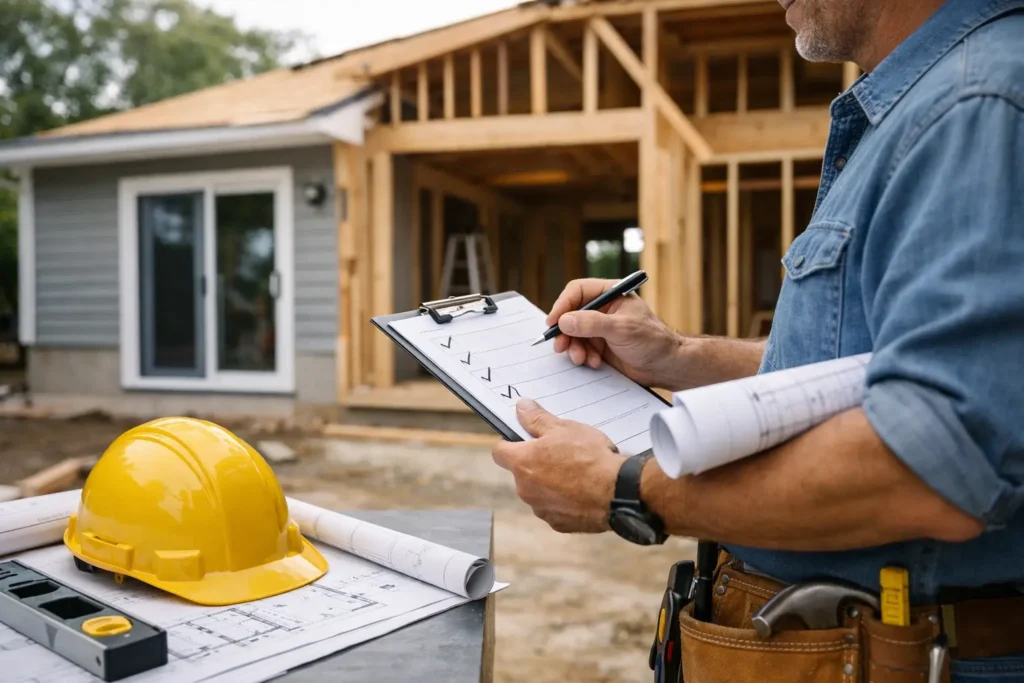
When you narrow your options, use this home addition contractor checklist to make the final call:
- Licensed and properly insured
- Proven experience with additions like yours
- Clear estimate with detailed inclusions and exclusions
- Reasonable allowances for finish selections
- Handles permits and inspections properly
- Strong communication and responsive follow-up
- Realistic timeline with honest discussion of delays
- Documented contract and change order process
- Evidence of quality craftsmanship in past projects
- Clean, respectful approach to working in occupied homes
If one contractor checks every box except price, and another offers the lowest bid with several unanswered questions, the safer choice is usually obvious. The cheapest number is not always the most affordable project.
It depends on your project, and that is normal
Every addition comes with trade-offs. If speed matters most, you may need to be flexible on start date or material choices. If budget is tight, you may need to simplify the scope or phase some finish upgrades for later. If the home is older, hidden conditions may affect cost once work begins.
That is why the best contractors do not promise perfection. They promise clarity, strong workmanship, and a plan. They help you make smart decisions before the project gets expensive.
The goal is not just to hire someone who can build. It is to hire someone who can guide the process with honesty and skill. That is what turns a stressful expansion into a smart investment in how you live.
If you are planning an addition and want straight answers, contact Greenwood Contractors for a free estimate. We are here to help you build with confidence.