
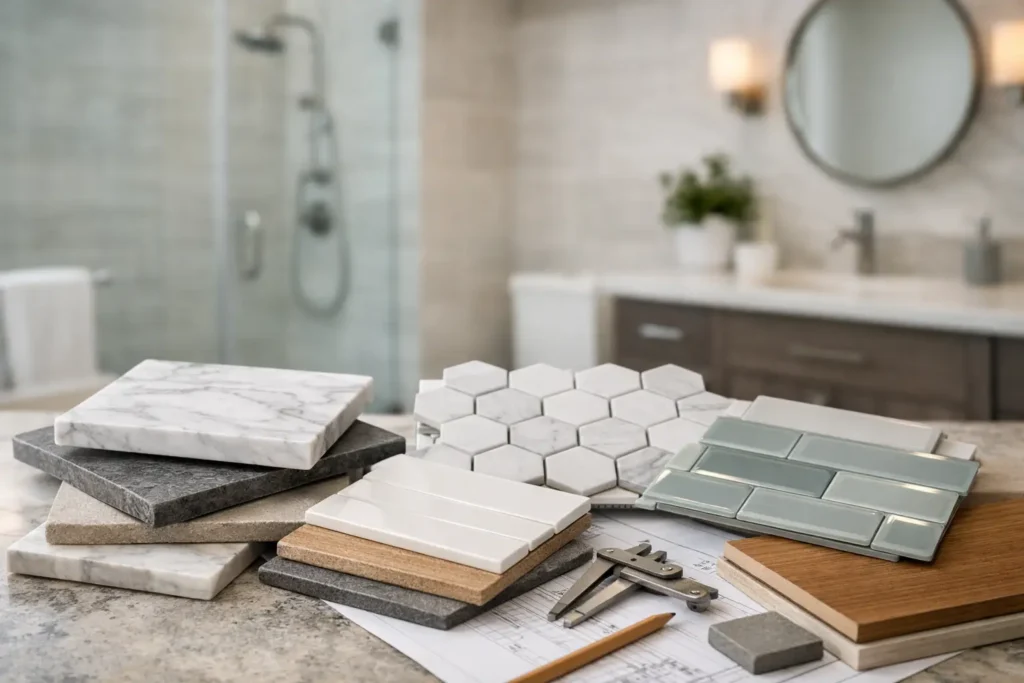
A bathroom can look beautiful on day one and still become a headache a year later if the tile material is wrong for the space. That is why choosing the best bathroom tile materials is less about chasing trends and more about finding the right balance of water resistance, safety, maintenance, and cost.
If you are planning a remodel, the smartest place to start is with how the bathroom actually gets used. A busy family bathroom has different demands than a guest bath. A primary shower sees more moisture than a powder room. The right tile should match the room, your budget, and how much upkeep you are willing to do.
How to choose the best bathroom tile materials
Most homeowners want a tile that looks great and lasts. That is reasonable. But in a bathroom, performance matters just as much as appearance. Floors need grip under wet feet. Shower walls need to resist moisture. Some materials need sealing. Others are easier to clean but may feel less high-end.
This is where trade-offs matter. A natural stone tile can add rich character, but it usually asks for more maintenance. A porcelain tile can mimic stone or wood and hold up extremely well, but some premium styles come with a higher price tag. There is no single perfect material for every bathroom. There is only the best fit for your project.
Porcelain tile
Porcelain is often the top choice for bathroom remodels, and for good reason. It is dense, highly water resistant, durable, and available in a huge range of colors, shapes, and finishes. If you want the look of marble, concrete, wood, or slate without many of the maintenance concerns, porcelain usually gives you that flexibility.
For bathroom floors, porcelain is hard to beat. It holds up well to heavy foot traffic, resists stains, and is generally easy to maintain. For shower walls, it performs just as well. Larger porcelain tiles can also reduce grout lines, which makes cleaning easier and gives the room a more polished look.
The main thing to watch is finish. A glossy porcelain tile can look sharp on a wall, but it may be too slick for flooring. On floors, a matte or textured finish is usually the better move. Cost can vary a lot too. Basic porcelain is budget friendly, while designer collections can push the price up.
Ceramic tile
Ceramic tile is another strong option and is often more affordable than porcelain. It works well on bathroom walls and in lighter-use bathrooms. Many homeowners choose ceramic when they want a clean, attractive finish without stretching the budget.
That said, ceramic is generally a little less dense and a little less water resistant than porcelain. In many bathrooms, that is not a dealbreaker. But for high-moisture areas like shower floors or busy family bathrooms, porcelain often gives you more long-term durability.
Ceramic can still be a smart choice for wall applications, backsplashes, and guest bathrooms. If the goal is value and style, it deserves a close look.
Natural stone tile
Natural stone brings a level of texture and variation that manufactured tile often tries to imitate. Marble, slate, travertine, and limestone can all create a high-end bathroom feel. No two pieces are exactly the same, which is part of the appeal.
The downside is maintenance. Stone is more porous than porcelain or ceramic, which means it can absorb water and stains if it is not sealed and cared for properly. Some stones also scratch more easily or react to certain cleaners. Marble, for example, looks elegant but can etch over time. Travertine has warmth and character, but it needs regular sealing.
Stone can absolutely work in a bathroom, especially when installed correctly and maintained well. But it is best for homeowners who want the look enough to accept the extra care. If you love the style but not the upkeep, porcelain that looks like natural stone may be the better answer.
Glass tile
Glass tile is usually not the first choice for bathroom floors, but it can be excellent for walls, accents, and shower niches. It reflects light well, which helps smaller bathrooms feel brighter and more open. It also offers a clean, polished look that works in modern designs.
Because glass is nonporous, it resists water well. That makes it a practical wall material in wet areas. Still, it is not ideal everywhere. It can show water spots and soap residue more easily, and some glass tile applications require a skilled installer to avoid an uneven finish.
In most remodels, glass works best as a feature rather than the main surface throughout the room. A strip of glass mosaic in a shower or a decorative wall detail can add personality without creating extra maintenance across the whole space.
Vinyl and other tile-look alternatives
Some homeowners ask about luxury vinyl tile for bathrooms, and it can be a practical option in certain cases. It is softer underfoot, generally more budget friendly, and easier to install than traditional tile. Many styles also do a convincing job of mimicking stone or ceramic.
Still, if you are doing a full bathroom remodel and want the longest-lasting finish, actual tile usually brings more value. Tile handles moisture, wear, and resale expectations better in many cases. Vinyl may make sense for a quick update or for spaces where comfort and budget are the top priorities, but it is not usually what people mean when they ask about the best bathroom tile materials.
The best bathroom tile materials for floors
Bathroom floors need durability and slip resistance first. Looks matter, but safety matters more. For most homes, porcelain is the strongest all-around choice. It performs well, offers many design options, and can be selected in finishes that improve traction.
Ceramic can work on floors too, especially in lower-traffic bathrooms. Natural stone can be beautiful, but the wrong finish may be slippery when wet, and the maintenance is higher. If you choose stone, texture and sealing both matter.
Tile size also affects floor performance. Large tiles can make a room feel more open, but smaller tiles with more grout lines can provide better grip, especially on shower floors.
Best materials for shower walls and wet areas
For shower walls, porcelain and ceramic are the most common winners. Both are reliable. Both are attractive. Porcelain has the edge in moisture resistance and durability, which is why many contractors recommend it for heavy-use showers.
Natural stone can work in showers, but only if you are comfortable with regular maintenance. A stone shower needs proper installation, sealing, and ongoing care to stay looking its best. Glass is a nice accent in wet areas but is usually not the most practical choice for every wall.
The installation quality matters as much as the tile itself. Even the best material can fail if the waterproofing behind it is not done correctly. This is one area where shortcuts can turn into expensive repairs.
What about grout and maintenance?
Tile gets most of the attention, but grout plays a big role in how your bathroom looks and how easy it is to clean. Light grout can brighten a space, but it may show staining faster. Dark grout hides dirt better, but it can change the overall look of the tile layout.
Epoxy grout is more stain resistant than traditional grout, though it can cost more upfront. For many homeowners, that extra cost is worth it in a bathroom. Less staining and easier cleaning are real benefits in a space that sees daily moisture.
Maintenance should be part of the decision from the start. If you want the least hassle, porcelain tile with a practical grout choice is usually the safest bet. If you want a luxury stone look, be honest about the upkeep.
Which tile material is right for your bathroom?
If you want the simplest answer, porcelain is the best all-around material for most bathrooms. It is durable, water resistant, versatile, and easy to live with. Ceramic is a solid budget-conscious option, especially for walls and lower-use spaces. Natural stone offers unmatched character but asks for more maintenance. Glass works well as an accent where light and detail matter most.
The right choice depends on your goals. If resale, durability, and low maintenance are at the top of the list, porcelain usually leads. If style and uniqueness matter more than upkeep, stone may be worth it. If you are balancing design with budget, ceramic may be the sweet spot.
A good bathroom remodel is not just about picking a nice tile sample in a showroom. It is about choosing materials that will still make sense after years of steam, splashes, cleaning, and daily use. If you want help selecting the right tile and getting the job done with quality craftsmanship and clear pricing, contact Greenwood Contractors for a free estimate.