Sticker shock usually hits in the same place – right after you pick the tile, the vanity, and the new shower fixture, then realize the total is climbing faster than expected. A small bathroom remodel cost can vary a lot, even when the room itself is only a few feet wide. Size matters, but layout, materials, labor, and hidden repairs usually matter more.
If you are planning a bathroom update, the best approach is to understand where the money goes before demolition starts. That helps you set a realistic budget, avoid expensive surprises, and make smart decisions without sacrificing the look or function you want.
What is the average small bathroom remodel cost?
For most homeowners, a small bathroom remodel cost falls somewhere between $8,000 and $25,000. A more cosmetic refresh may land on the lower end. A full remodel with new plumbing locations, custom tile work, upgraded fixtures, and better lighting can move well past that range.
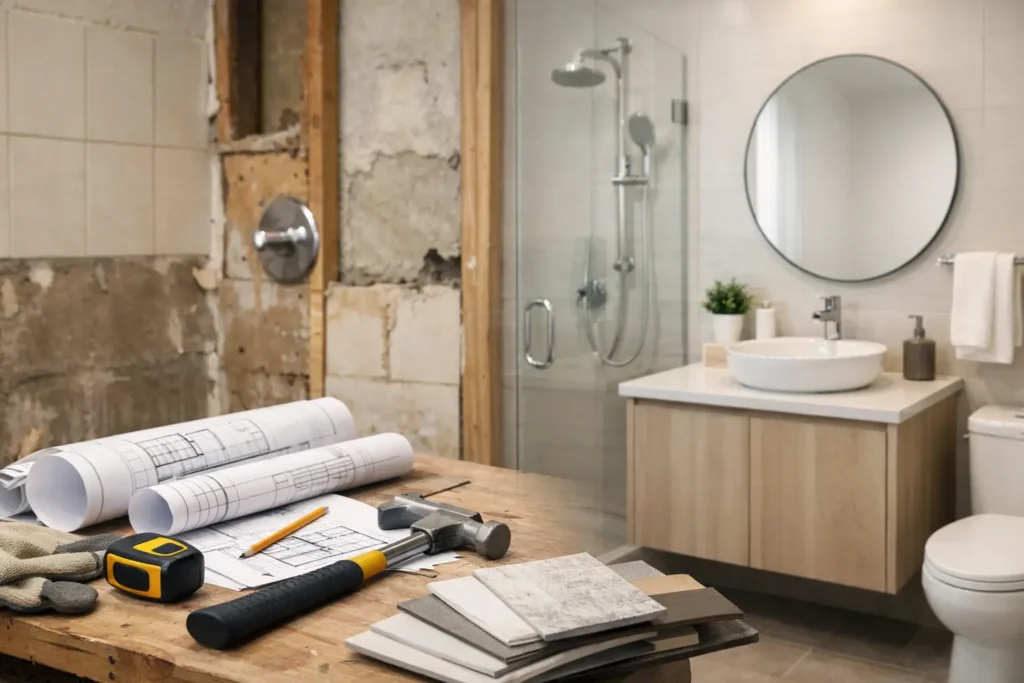
That spread is wide for a reason. One project may involve replacing a vanity, toilet, flooring, and paint while keeping the existing tub and plumbing in place. Another may require tearing everything down to the studs, repairing water damage, updating ventilation, and installing all new finishes. Both are small bathrooms, but they are very different jobs.
In Los Angeles, labor rates, permit requirements, and material delivery costs can also push pricing higher than national averages. That is why online calculators often feel incomplete. They may give you a ballpark number, but they rarely account for the real conditions inside your home.
What drives small bathroom remodel cost the most?
The biggest cost factor is usually the scope of work. If your layout stays the same, your budget has a better chance of staying under control. Once you move a toilet, shift a shower drain, or relocate plumbing lines inside the wall, labor and complexity increase quickly.
Material choices are the next major factor. A stock vanity costs far less than a custom-built one. Ceramic tile is usually more budget-friendly than natural stone. Standard plumbing fixtures are easier on the budget than designer finishes. None of this means you have to choose the cheapest option. It just means every selection affects the final number.
Labor also plays a large role. Bathroom remodels involve more trades than many homeowners expect. A typical project may require demolition, framing, plumbing, electrical, drywall, tile installation, painting, finish carpentry, and fixture installation. In a small room, every inch has to be accurate, so the work can be detail-heavy even if the square footage is limited.
Then there are hidden conditions. Bathrooms are exposed to moisture every day. Once old tile or drywall comes out, contractors sometimes find rotted subfloors, mold issues, outdated wiring, plumbing leaks, or code problems that need correction. These repairs are not glamorous, but they are necessary if you want the remodel to last.
Budget levels and what they usually include
A lower-cost remodel often focuses on surface updates. That may include a new vanity, toilet, faucet, mirror, light fixture, paint, and basic flooring. You might also refinish an existing tub instead of replacing it. This level works best when the bathroom is functional, the layout stays the same, and there are no serious plumbing or structural issues.
A mid-range remodel usually includes stronger finish upgrades and more complete replacement work. Homeowners in this range often install a new tub or shower surround, tile floor, updated lighting, better storage, and improved fixtures. This is also where many people start addressing ventilation or minor plumbing improvements.
A higher-end small bathroom remodel cost typically reflects custom tile, frameless glass, premium fixtures, built-in niches, heated flooring, high-end vanities, or layout changes. Even in a compact bathroom, luxury selections can add up quickly. The room may be small, but the finish level can be anything but basic.
Where homeowners tend to overspend
One common mistake is spending too much on decorative finishes too early. It is easy to fall in love with tile patterns, statement mirrors, or high-end hardware. But if your budget gets thin before the essential work is covered, you may end up cutting corners on waterproofing, ventilation, or installation quality. That is not where you want to save.
Another issue is changing plans mid-project. Once demolition begins, late design decisions can create delays, change orders, and extra labor. Choosing materials, confirming layout details, and approving fixture specifications before work starts usually saves money.
Some homeowners also underestimate the cost of labor for small spaces. A compact bathroom does not always mean a cheap remodel. Tight working conditions can slow installation, especially with tile, plumbing, and finish work. Small rooms often require more precision, not less.
Smart ways to control costs without cutting quality
The best savings usually come from keeping the existing layout. If the toilet, sink, and shower stay in place, you avoid a lot of plumbing work. That alone can make a major difference.
It also helps to mix budget and premium selections. You might choose a durable stock vanity and spend a little more on the shower tile or lighting. Or you might select a simple field tile and use a more stylish mirror and hardware to elevate the look. A good remodel does not have to use top-tier materials in every corner to feel polished.
Another smart move is to prioritize durability. Bathrooms take daily wear. Materials that are easy to clean, resist moisture, and hold up over time often provide better long-term value than trendy choices that may not age well.
Working with a contractor who gives clear pricing and realistic guidance matters too. Honest recommendations can keep you from paying for upgrades that do not add much function or resale value.
Should you remodel all at once or in phases?
For a small bathroom, doing the project all at once is usually more cost-effective. Bathrooms are tightly connected systems. Flooring, plumbing fixtures, wall finishes, waterproofing, and trim all overlap. Breaking the work into phases can lead to duplicated labor and a less consistent finish.
That said, phased work can make sense in certain situations. If your bathroom is usable but outdated, you might handle paint and accessories now, then plan a full remodel later. But if the room has old plumbing, water damage, failing tile, or poor ventilation, patchwork updates often cost more in the long run.
Does a small bathroom remodel add value?
In many cases, yes. A clean, updated bathroom can improve daily comfort and make a home more appealing to future buyers. It is one of the rooms people notice right away. Even a modest remodel can make the space feel brighter, cleaner, and more functional.
The return depends on the condition of the bathroom before the remodel, the quality of the work, and how your choices compare with the rest of the home. If you overbuild far beyond the neighborhood standard, you may not recover every dollar. But if the current bathroom feels dated, cramped, or worn out, a thoughtful remodel often adds real value.
The bigger win for many homeowners is usability. Better storage, improved lighting, a more comfortable shower, and easier-to-clean surfaces can make a daily routine feel much better.
How to budget for the unexpected
The safest plan is to set aside a contingency of about 10 to 20 percent. Older homes especially can hide issues behind walls and under floors. Having a reserve helps you handle repairs without stress or rushed decisions.
It is also wise to ask for a detailed estimate that separates labor, materials, allowances, and possible exclusions. That gives you a clearer picture of what is included and what could change. Transparent pricing does not always mean the lowest number. It means fewer surprises and better planning.
A good contractor should also talk openly about timelines, product lead times, and permit needs when they apply. That kind of communication is often just as valuable as the estimate itself.
The real question is not just cost
The real question is what you want your bathroom to do better. Maybe you need more storage. Maybe the shower feels cramped. Maybe the room looks tired, or moisture has started causing damage. Once those goals are clear, the budget becomes easier to shape around them.
A small bathroom remodel cost is not just a number on paper. It reflects the quality of the work behind the walls, the durability of the finishes, and the experience you will have using that room every day. If you want clear pricing, dependable craftsmanship, and a remodel plan that makes sense for your home, contact Greenwood Contractors for a free estimate.