If your kitchen feels cramped at breakfast, dark by dinner, or cluttered no matter how often you clean, the best kitchen remodel ideas are usually the ones that fix how the room works first. A beautiful kitchen matters, but a kitchen that moves well, stores more, and stands up to daily life is what really pays off.
That is where smart remodeling decisions make a difference. Homeowners often start with finishes, but the biggest wins usually come from layout, lighting, storage, and durable materials. When those pieces are handled well, the kitchen looks better and feels easier to live in every day.
Best kitchen remodel ideas that improve daily life
A good remodel should solve real problems. Maybe you need more prep space. Maybe your family gathers in the kitchen, but the room was designed for one cook and very little traffic. Maybe the cabinets look dated, but the larger issue is that nothing has a proper place.
The strongest remodel ideas do more than follow trends. They make cooking simpler, cleanup faster, and the room more comfortable for everyone using it. That is especially true if you plan to stay in your home for years. Resale matters, but so does enjoying the space now.
Start with the layout before the finishes
Layout is the foundation of a kitchen remodel. If the sink, range, and refrigerator are fighting each other, new countertops will not fix the frustration. In many homes, opening a walkway, widening an aisle, or shifting an appliance just a few feet can make the whole kitchen function better.
That does not always mean tearing everything out. Sometimes the smartest move is to keep plumbing and gas lines close to where they are and improve the flow around them. Other times, a larger reconfiguration is worth the cost if the current layout wastes space or creates bottlenecks. It depends on your budget, the room size, and how much change the structure allows.
Add an island only if it earns its space
Kitchen islands are popular for a reason. They can add prep area, storage, seating, and a stronger visual center. But not every kitchen needs one. In a tight room, an island can make movement harder and leave appliances or cabinets blocked.
A good rule is to treat an island as a functional tool, not a default feature. If your kitchen has enough clearance and your household would use extra seating or work surface every day, it can be one of the best investments in the room. If the space is limited, a peninsula or improved perimeter counters may work better.
Build storage around how you actually live
Storage is one of the most practical areas to upgrade, and it is often where homeowners see the biggest day-to-day improvement. Deep drawers for pots and pans, vertical tray storage, pull-out shelves, and better pantry organization make a kitchen easier to use immediately.
Custom storage does not have to mean every cabinet is highly specialized. The goal is simple: keep the things you use most where they are easiest to reach. A family that cooks often may need better spice storage, drawer organizers, and trash pull-outs near the prep zone. A household that relies on small appliances may benefit more from appliance garages or a dedicated cabinet with power access.
Best kitchen remodel ideas for cabinets, counters, and surfaces
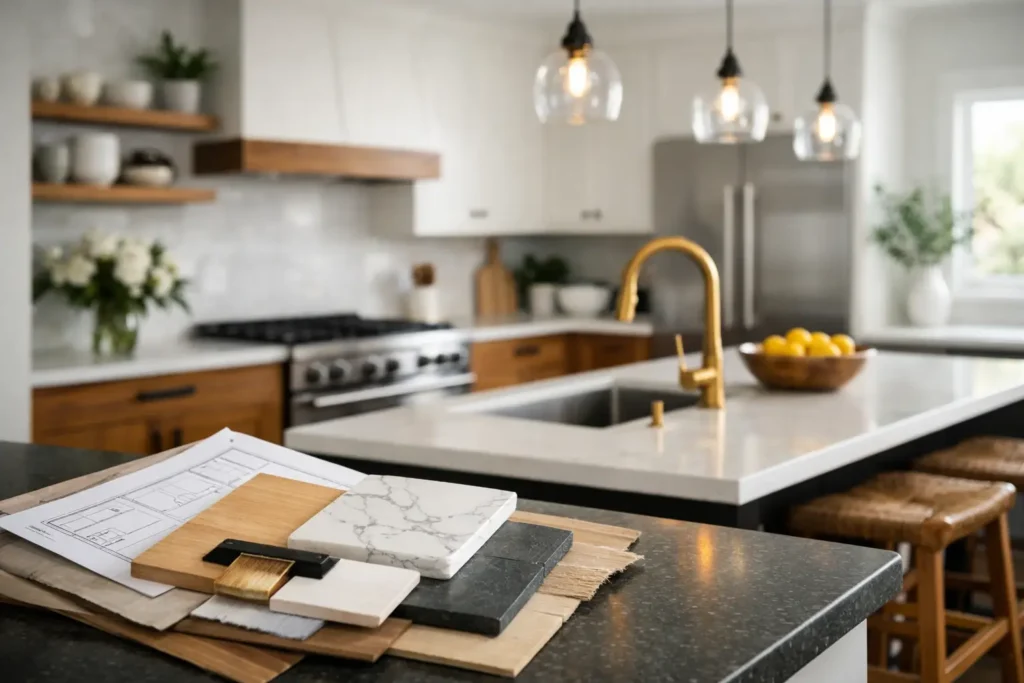
Cabinets and countertops set the visual tone, but they also take the most daily abuse. That is why material choice matters as much as style.
Choose cabinets for longevity, not just looks
Cabinet color gets a lot of attention, and for good reason. It changes the whole room. White remains popular because it feels clean and bright. Warm wood tones are also making a strong return because they add character without feeling overly formal. Soft greige, muted green, and natural oak can all work well when the overall design stays balanced.
Still, cabinet construction matters more than color chips. Solid installation, quality hinges, durable drawer hardware, and finishes that hold up to cleaning are what make cabinets feel worth the investment. A painted cabinet may look great on day one, but if the product or installation is poor, wear shows quickly around handles and corners.
Pick countertops that match your routine
Countertops should fit the way you use your kitchen. Quartz is a common choice because it is durable, easy to maintain, and available in many styles. Natural stone has strong visual appeal, but it can require more care depending on the material. Butcher block adds warmth, though it needs regular upkeep and may not suit every cooking style.
This is one of those decisions where trade-offs matter. If you want very low maintenance, quartz usually checks the box. If you love natural variation and do not mind more care, stone may be worth it. The right choice is not just about appearance. It is about how much maintenance you are realistically willing to take on.
Use a backsplash to tie the room together
A backsplash is a small surface with a big impact. It protects the wall, but it also helps connect cabinets, counters, and flooring. Simple subway tile still works because it is clean, practical, and easy to live with. Larger format tile can create a more modern feel with fewer grout lines. Full-height slab backsplashes offer a sleek look, though they usually come at a higher price.
When in doubt, keep this area timeless. A backsplash should support the room, not overpower it.
Lighting and color can change the whole kitchen
Many older kitchens are underlit. That is one reason they feel smaller and less inviting than they should.
Layer the lighting instead of relying on one fixture
Good kitchen lighting should cover tasks, overall brightness, and atmosphere. Recessed lighting helps with general coverage. Under-cabinet lighting makes prep work easier and reduces shadows on counters. Pendant lights can add focus above an island or dining area.
The key is balance. Too many decorative fixtures can feel busy. Too little task lighting makes even a nice kitchen frustrating to use. A well-lit kitchen looks cleaner, feels larger, and works better from morning coffee to late-night cleanup.
Keep the color palette warm and livable
Paint, cabinetry, flooring, and finishes all affect how welcoming the kitchen feels. Very cool grays have fallen out of favor in many homes because they can make the space feel flat. Warmer neutrals, soft whites, and natural finishes tend to create a more comfortable look.
That does not mean every kitchen should be beige. It means the palette should feel steady and easy to live with over time. Bold colors can work well in accents, lighting, stools, or a feature island, especially if the main surfaces stay grounded.
Flooring, appliances, and details that pull it together
Once the major choices are set, the supporting details shape how complete the remodel feels.
Choose flooring that can handle real traffic
Kitchen flooring needs to be durable, easy to clean, and visually connected to nearby rooms. Luxury vinyl plank is popular because it offers water resistance and a softer feel underfoot. Tile remains a strong option for durability, though it can feel harder and colder. Hardwood is beautiful, but it needs more protection in a busy kitchen.
There is no perfect flooring for every home. Families with kids, pets, and heavy daily use often prioritize resilience. Homeowners focused on long-term character may lean toward wood and accept the extra care.
Upgrade appliances with purpose
Appliance upgrades should support your routine, not just fill the room with stainless steel. A wider refrigerator, better ventilation, a quieter dishwasher, or a more functional range can improve daily use in ways that matter more than brand prestige.
This is also where planning ahead helps. Appliance sizes, panel options, electrical needs, and venting requirements should be accounted for early. Waiting until the end can create delays or force compromises in cabinetry and layout.
Do not overlook hardware and trim
Cabinet pulls, faucets, trim details, and finish selections may seem minor compared to layout and construction, but they influence how polished the kitchen feels. Hardware should be comfortable to use and consistent with the style of the home. Faucets should be durable and practical, especially in households that use the kitchen hard every day.
These details work best when they are intentional. You do not need flashy choices. You need the room to feel cohesive.
The best kitchen remodel ideas are the ones that fit your home
A successful kitchen remodel is not about chasing every trend at once. It is about choosing upgrades that match your home, your budget, and your daily habits. In some kitchens, that means a full layout change with custom storage and new lighting. In others, it means keeping the footprint, improving the cabinets, upgrading the counters, and making the room brighter and more efficient.
The best results come from honest planning. Know where you want to invest, where you can simplify, and what will matter most five years from now. A kitchen should look great, but more importantly, it should make your home easier to live in.
If you are ready to turn ideas into a kitchen that works better and looks built to last, contact Greenwood Contractors for a free estimate. We are here to help you plan with confidence and build with quality.