A bathroom remodel can solve more than an outdated tile problem. It can improve daily routines, fix hidden water damage, create safer access, and add lasting value to your home. This complete guide to bathroom remodeling explains how to make smart choices before construction begins, so the finished space feels right and the process stays manageable.
Start With the Problems You Need to Solve
Before choosing a vanity color or shower fixture, take a close look at how the bathroom works now. Is storage limited? Does the room feel cramped? Are there leaks, soft flooring, poor ventilation, or an old layout that wastes space? Clear answers help you spend your budget where it matters most.
A family bathroom often needs durable surfaces, more storage, and easy-to-clean fixtures. A primary bathroom may call for a larger shower, better lighting, or a more comfortable layout. For an aging homeowner, features such as a curbless shower, grab-bar blocking, wider doorways, and slip-resistant flooring can make the room safer without making it look institutional.
Make a short list of must-haves and nice-to-haves. Your must-haves should address function, safety, and long-term durability. Nice-to-haves can include a freestanding tub, heated floors, premium tile, or smart mirrors. This distinction helps when choices affect the budget later.
Set a Realistic Bathroom Remodeling Budget
Bathroom costs vary widely because a small room can still involve plumbing, electrical work, waterproofing, tile installation, cabinetry, and finish materials. The scope matters more than square footage alone. Replacing fixtures in their existing locations usually costs less than moving a toilet, shower, or drain line.
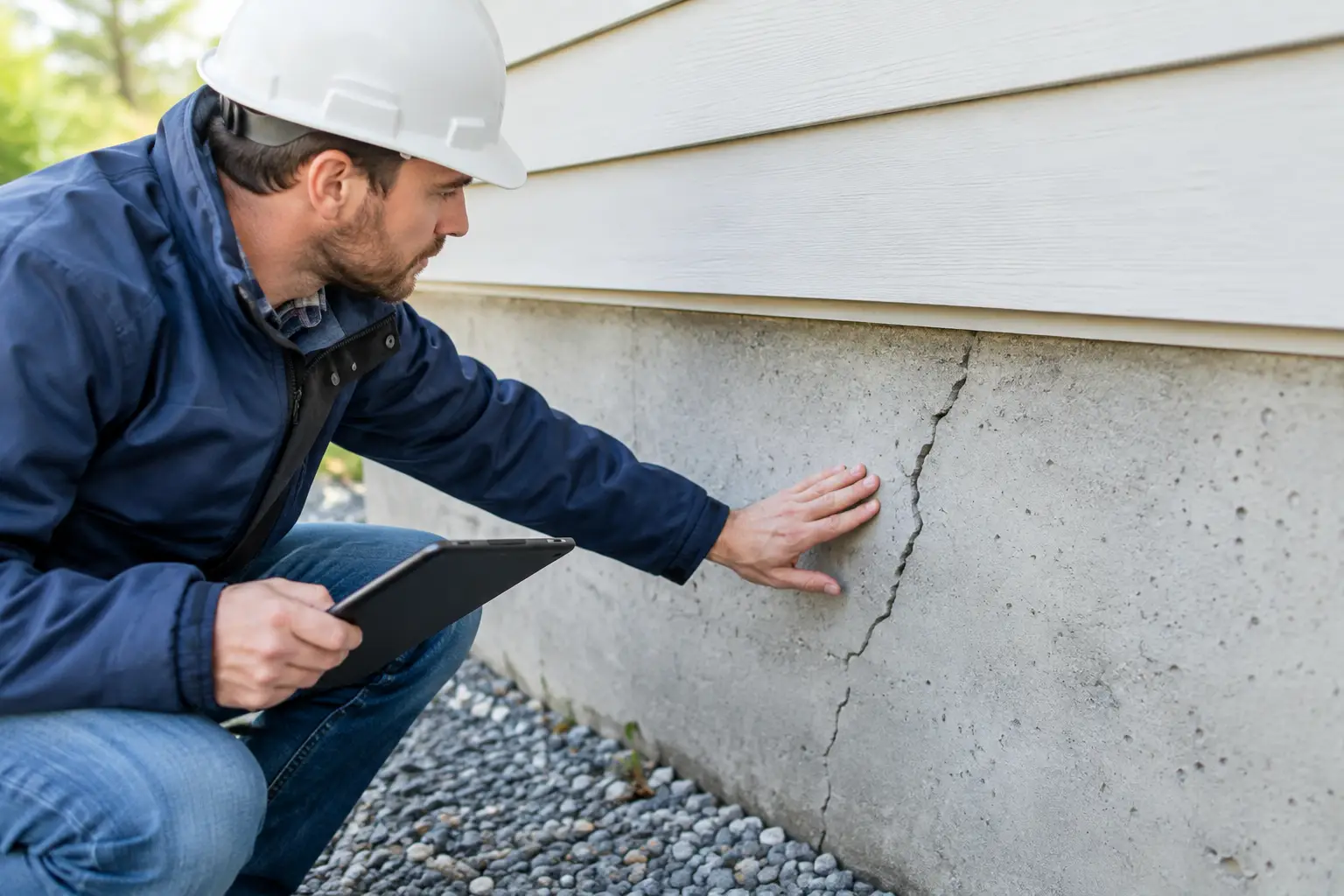
A practical budget should account for labor, materials, permits, design decisions, and a contingency fund. Setting aside 10% to 20% for unexpected conditions is wise, especially in older homes. Once walls or floors are opened, contractors may find water damage, outdated wiring, mold, or plumbing that needs attention.
It is tempting to focus only on the price of visible items. However, the work behind the walls protects your investment. Proper framing, plumbing connections, electrical upgrades, ventilation, shower waterproofing, and tile preparation should never be treated as optional extras. A beautiful shower will not stay beautiful if it was built over an inadequate waterproofing system.
Ask for a clear, itemized estimate that explains what is included. You should understand who supplies materials, whether permit fees are covered, what demolition involves, and how change orders are handled. Transparent pricing does not mean there will never be a surprise. It means you will know how surprises are communicated and approved.
Plan the Layout Before Selecting Finishes
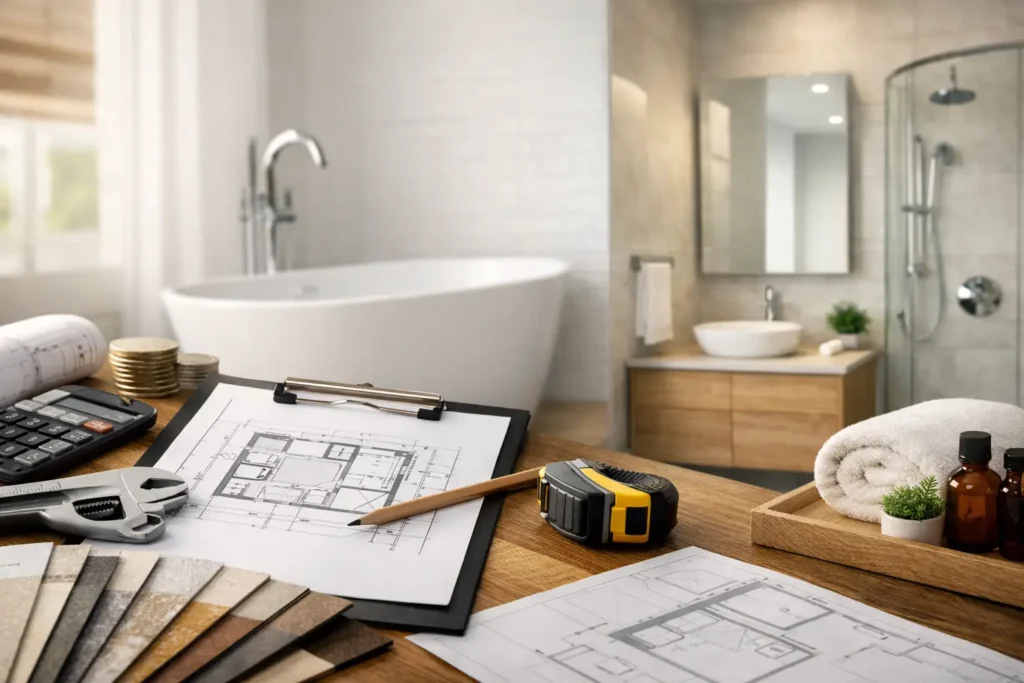
The best bathroom layouts make daily movement easy. Think about how doors open, where towels will hang, whether drawers can open fully, and how more than one person may use the room at the same time. Even modest changes can make a small bathroom feel much larger.
Keeping plumbing in the same general location can control costs, but it is not always the best decision. If the existing layout creates a tight shower, poor access, or a vanity that blocks traffic, relocating a fixture may be worthwhile. The right choice depends on your goals, the home’s structure, and the available budget.
Space-Saving Choices That Work
In smaller bathrooms, a walk-in shower with clear glass can create a more open sightline than a bulky tub surround. A wall-mounted vanity can reveal more floor area, while a recessed medicine cabinet adds storage without protruding into the room. Pocket doors can help in tight spaces, but they require enough clear wall cavity and may not work around plumbing or electrical components.
If you are remodeling a Los Angeles-area home, existing construction and local permit requirements can influence layout options. An experienced contractor can assess what is realistic before you commit to a design.
Choose Materials for Daily Life, Not Just the Showroom
Bathrooms need materials that stand up to moisture, cleaning products, and regular use. Porcelain and ceramic tile are popular because they are durable and available in many styles. Natural stone offers a distinct look but may require more maintenance and sealing. Large-format tile can reduce grout lines, though it requires a very flat surface and skilled installation.
For flooring, prioritize slip resistance. A polished tile may look striking, but a textured or matte finish is often a better choice near a shower or tub. Smaller tiles can provide extra traction because of the added grout lines, especially on shower floors.
Vanity materials also deserve careful attention. Solid wood can perform well when properly finished, while quality engineered materials may be a practical option for the right budget. Look for durable box construction, moisture-resistant finishes, and storage that fits what you actually use. Deep drawers often work better than a large cabinet with one hard-to-reach shelf.
Fixtures should balance style, efficiency, and repairability. Choose reputable brands with replacement parts that are readily available. Water-saving toilets and showerheads can reduce water use, but comfort still matters. Test faucets and shower controls in person when possible. A handle that feels awkward every morning becomes a frustrating detail quickly.
Do Not Overlook Lighting and Ventilation
One ceiling light rarely provides enough illumination for a bathroom. A well-planned design usually combines general overhead lighting, focused vanity lighting, and an optional shower light. Lighting placed beside the mirror can reduce shadows on the face better than a single fixture above it.
Use moisture-rated fixtures where required, particularly in wet areas. Consider dimmers for a calmer nighttime routine, but make sure the fixtures and bulbs are compatible.
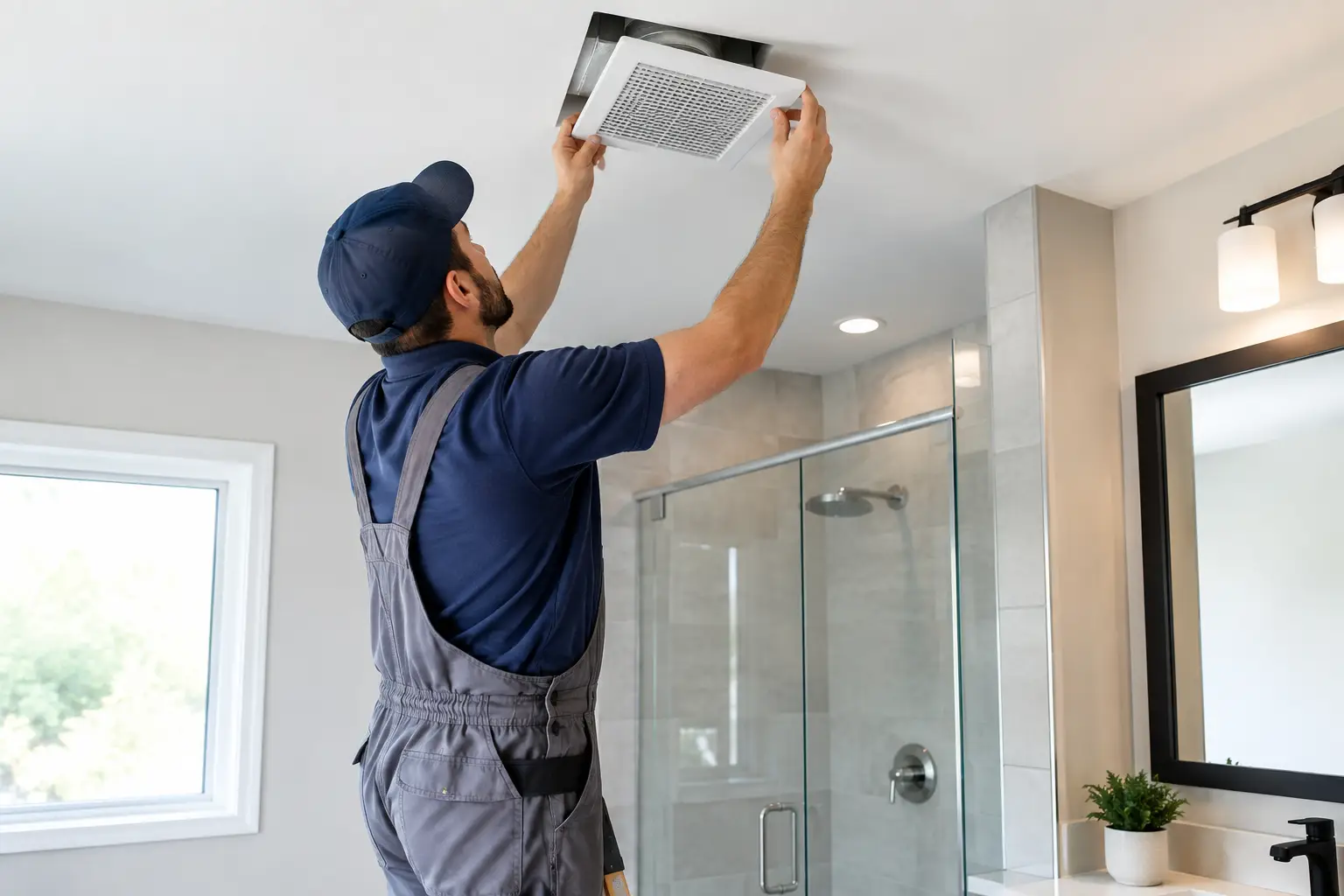
Ventilation is equally important. A properly sized exhaust fan helps remove humidity that can damage paint, cabinetry, drywall, and framing. The fan should vent outside, not into an attic or enclosed space. In bathrooms without windows, dependable ventilation is especially critical.
Understand Permits, Scheduling, and Construction Steps
Permits are often required when a remodel includes plumbing, electrical work, structural changes, or altered layouts. They protect homeowners by requiring inspections at key stages. Skipping permits may seem faster, but it can create issues with insurance, resale, and future repairs.
A typical bathroom renovation begins with planning, material selections, and permits. Then come demolition, rough plumbing and electrical work, inspections, wall repair, waterproofing, tile work, cabinetry, fixtures, paint, and final details. The order matters. For example, waterproofing must be completed correctly before tile is installed, because tile and grout are not waterproof barriers by themselves.
Lead times can affect the schedule. Custom vanities, specialty tile, glass shower panels, and certain fixtures may take longer to arrive. Order key materials early and inspect them when delivered. Finding damaged tile or the wrong vanity size before installation protects the timeline.
A clean work area and regular communication make a real difference during construction. Ask your contractor how the home will be protected, where materials will be stored, when water may be shut off, and who will be your point of contact. A reliable team should give you straightforward answers and keep you informed as work progresses.
Hire a Contractor You Can Trust
Bathroom remodeling involves several trades in a small, highly visible space. The contractor coordinating the work should understand the full sequence, not just the finish selections. Look for proper licensing and insurance, detailed written scopes, realistic timelines, and clear communication.
Review completed projects and ask how the team handles unexpected site conditions. A trustworthy contractor will not promise that old homes hold no surprises. Instead, they will explain the likely risks, document findings, and discuss options before moving forward.
The lowest bid is not always the best value. An unusually low estimate may leave out essential work, use inferior materials, or rely on vague allowances that grow later. Compare scopes carefully. Make sure each proposal addresses demolition, waterproofing, permits, fixture installation, cleanup, and final punch-list work.
A successful remodel is built on good planning, sound construction, and decisions that fit the way you live. When you are ready to create a bathroom that is functional, durable, and comfortable, contact Greenwood Contractors for a free estimate. We will listen to your goals, explain your options clearly, and help you move forward with confidence.