
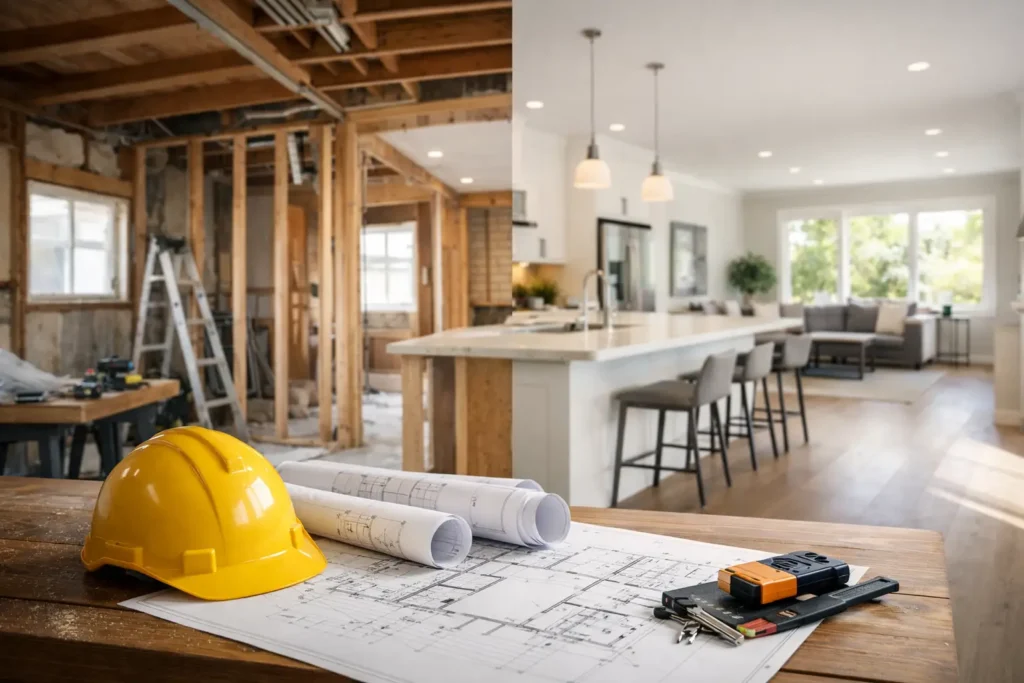
A whole-home remodel is not just a larger version of a kitchen or bathroom update. It is a chain of connected decisions. Move one wall, and you may affect electrical wiring, plumbing, flooring, permits, and the way your family lives during construction. This full house renovation guide will help you plan the work in the right order, protect your budget, and choose a contractor who can manage the details.
The goal is not to make every decision at once. The goal is to make the right decisions early enough that construction can move forward without costly surprises.
Start With the Reason You Are Renovating
Before choosing tile, paint colors, or cabinet styles, define what the renovation needs to solve. Maybe your home feels cramped. Maybe the layout no longer works for your family. Perhaps aging plumbing, water damage, or outdated electrical systems are creating larger concerns behind the walls.
Write down your must-haves separately from your nice-to-haves. A must-have might be an added bedroom, a safer staircase, a larger kitchen, or a first-floor bathroom. Nice-to-haves may include a built-in coffee station, upgraded light fixtures, or custom shelving. This distinction matters when the budget needs to adjust.
It also helps to think ahead. A renovation should fit the way you live now, but it can also support future needs. Growing families may need flexible bedrooms. Property owners may want a garage conversion or ADU opportunity. Homeowners planning to stay long term may prioritize accessibility, storage, and durable finishes.
Build a Realistic Scope Before Pricing
The most reliable renovation budgets start with a clear scope of work. “Update the house” is too broad to price accurately. A qualified contractor needs to know which rooms are included, which walls may change, what systems need replacement, and what level of finishes you expect.
Walk through the home room by room. Note visible issues such as cracked drywall, leaks, uneven floors, worn roofing, poor ventilation, and outdated fixtures. Then consider the systems you cannot always see. Older homes may need electrical panel upgrades, rewiring, plumbing replacement, insulation improvements, foundation repairs, or structural work before cosmetic upgrades make sense.
A good contractor will not simply agree to every idea. They should explain what is practical, what requires engineering or permits, and where an investment will have the greatest impact. Opening a floor plan may be possible, for example, but a load-bearing wall requires a proper structural plan. Cutting corners on that work is never worth the risk.
Prioritize Work in the Right Order
Full renovations work best when decisions follow the construction sequence. Structural repairs, water intrusion, roofing concerns, and major mechanical upgrades come first. Next come framing, rough plumbing, electrical, HVAC, insulation, and drywall. Cabinets, flooring, paint, fixtures, and finishing work happen later.
This order can feel less exciting than choosing finishes, but it prevents rework. Installing new flooring before a plumbing relocation, for instance, can lead to unnecessary demolition later. A well-managed project protects completed work and keeps each trade moving at the right time.
Set a Budget With Room for the Unknown
Every home is different. Square footage, local permit requirements, material selections, existing conditions, and the amount of structural work all affect cost. That is why online estimates can be useful for early research but cannot replace a detailed on-site assessment.
Set a target budget, then include a contingency amount for conditions discovered after demolition. In many renovations, hidden issues are possible. Damaged framing, old wiring, termite damage, plumbing leaks, and unlevel subfloors are common examples. A contingency does not mean your contractor expects a problem. It means you are prepared if one appears.
Be honest about where you want to spend and where you can simplify. Custom cabinets, stone countertops, high-end appliances, and specialty windows can add substantial cost. They may be worthwhile if they are priorities for your household. In other spaces, durable standard options can deliver a clean, attractive result while preserving funds for structural needs or better workmanship.
Transparent pricing is especially important here. Your proposal should clearly describe what is included, what is excluded, allowances for selected materials, and how approved changes will be handled. A low initial price is not always the better value if the scope is vague or essential work has been left out.
Plan for Permits, Design, and Approvals
Many whole-house projects require permits. Work involving structural changes, additions, plumbing, electrical systems, HVAC, or major alterations commonly needs review by the local building department. In Los Angeles, requirements can vary based on the property, neighborhood, and project scope.
Permits are not paperwork to avoid. They help confirm that work meets current safety standards. They also create a record that can matter when selling, refinancing, or insuring the property. Your contractor should be clear about which permits apply and who is responsible for preparing plans, submitting documents, scheduling inspections, and responding to corrections.
Depending on the project, you may need architectural plans, engineering, energy documentation, or homeowner association approval. These steps can take time, particularly when a project includes an addition, garage conversion, or major structural changes. Starting design and permit work early gives you a more realistic construction schedule.
Make Selections Before Construction Starts
Late product decisions are one of the most common causes of renovation delays. Cabinets, windows, tile, appliances, plumbing fixtures, doors, and specialty lighting may have lead times. If a required item is not available when the crew needs it, the schedule can stall.
You do not need to choose every decorative detail before work begins. However, select the items that affect measurements, rough-in locations, and installation timing. A freestanding tub, wall-mounted faucet, range hood, shower valve, appliance package, and cabinet layout all need to be coordinated early.
Keep a simple selection sheet with the product name, finish, size, supplier, price, and expected delivery date. This makes it easier to confirm that the correct materials arrive and helps avoid confusion between similar options.
Prepare for Life During the Remodel
A full renovation affects daily life. If kitchens or bathrooms will be out of service, decide whether you will stay in the home, create a temporary setup, or move out during the most disruptive phase. The right choice depends on the extent of the work, your household size, pets, health needs, and tolerance for noise and dust.
If you remain in the home, discuss work hours, access points, dust control, material storage, bathroom access, and site cleanup before construction begins. Clear communication helps your contractor protect the property while helping your family maintain a workable routine.
Remove personal items from affected spaces and create a secure area for valuables. It is also wise to plan for temporary cooking, deliveries, and parking changes. These small preparations can make a long project feel much more manageable.
Choose a Contractor Who Communicates Clearly
A whole-home renovation needs more than skilled labor. It needs coordination. Your general contractor should manage the schedule, trades, inspections, materials, quality checks, and communication across the project.
Ask practical questions before hiring. How will you receive updates? Who will be your main contact? How are changes documented and approved? What happens if hidden damage is found? How is the job site protected and cleaned? Clear answers are a strong sign that the contractor has a reliable process.
Look for detailed written proposals, proper licensing and insurance, a portfolio of comparable work, and a team that respects your questions. You should never feel pressured to make a rushed decision or accept unclear pricing. The right renovation partner makes expectations clear from the beginning.
Use This Full House Renovation Guide to Stay in Control
The best renovations are built on planning, not guesswork. Define your priorities, address the home’s core systems, allow room for the unexpected, and make key selections before the construction schedule demands them. Then stay involved through regular updates while allowing your contractor to lead the work on site.
A well-planned project can turn an outdated or inefficient house into a home that works better every day. If you are considering a whole-home remodel, room addition, structural repair, or major interior update, contact Greenwood Contractors for a free estimate. We will listen to your goals, explain your options clearly, and help you move forward with confidence.