
A room addition can solve a problem that a remodel alone cannot. Maybe your family has outgrown the house, you need a quiet home office, or aging parents need space on the main floor. The right room addition contractors Los Angeles homeowners choose will help turn that need into a well-planned, lasting part of the home – not an awkward attachment that creates new problems later.
Los Angeles homes come with unique considerations. Lots can be tight. Zoning rules vary by neighborhood. Older homes may need structural upgrades before new construction begins. A dependable contractor helps you understand those details early, so you can make decisions with confidence.
Start With the Reason for the Addition
The best additions begin with a clear purpose. A new bedroom has different needs than a family room, second-story expansion, guest suite, or attached ADU. The intended use affects the layout, plumbing, electrical work, insulation, windows, and overall budget.
Think beyond square footage. Consider how the new room connects to the spaces you already use. A beautiful addition will feel natural when you walk through it. It should improve traffic flow, bring in the right amount of light, and support the way your household actually lives.
For example, a growing family may need a bedroom near existing bedrooms. A home office may work better away from busy living areas. A first-floor suite may require a bathroom, wider access points, and thoughtful privacy. These choices are easier and less costly to address during planning than after construction has started.
What Room Addition Contractors in Los Angeles Should Handle
A room addition is not just framing and drywall. It is a coordinated construction project that involves design, engineering, permits, inspections, scheduling, and many skilled trades. Your contractor should be prepared to manage the full process or clearly explain which professionals are responsible for each step.
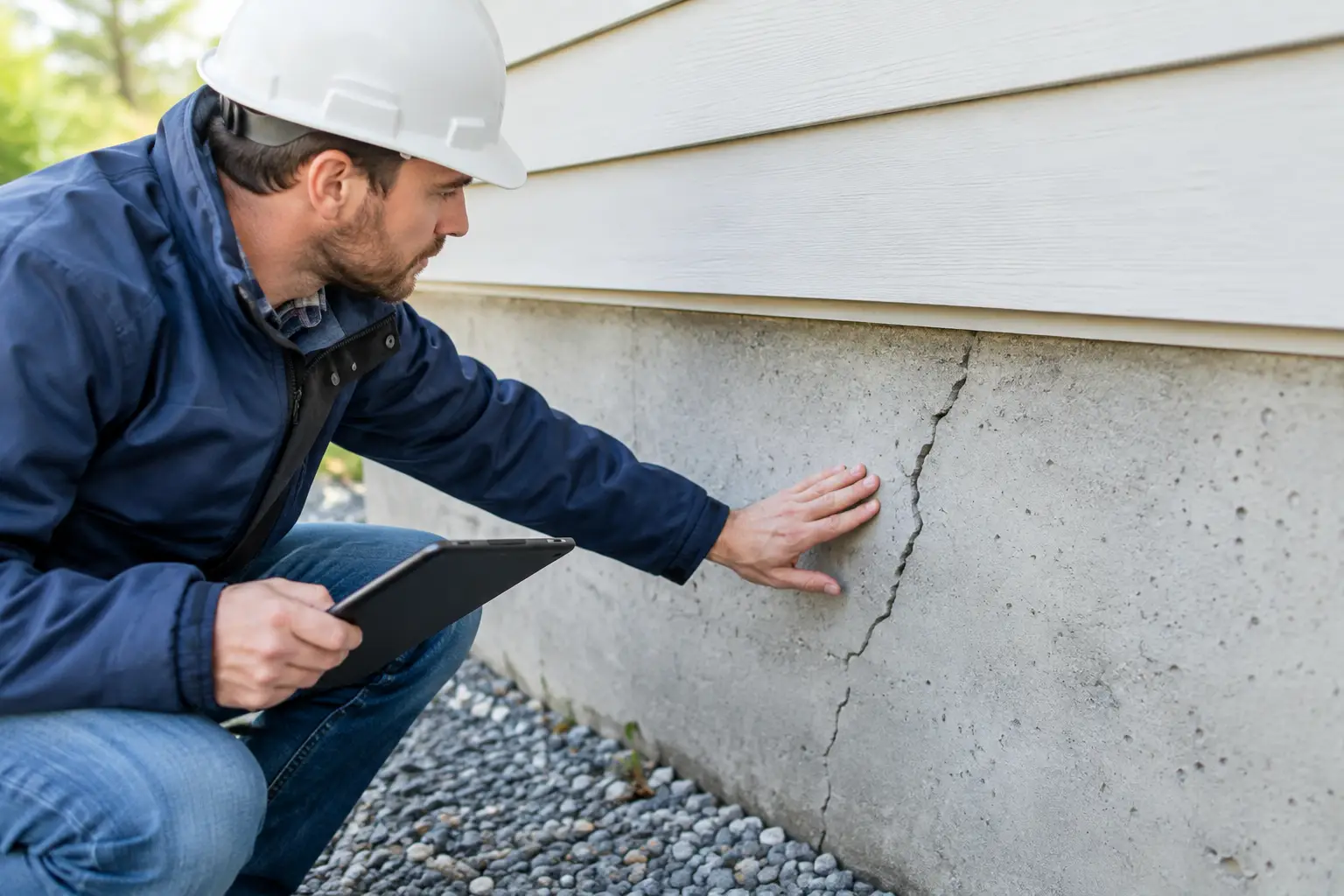
A qualified team will assess the existing structure and identify what the home needs to support the addition. Depending on the project, that may include foundation work, structural beams, roof modifications, drainage improvements, electrical panel upgrades, or plumbing changes.
In Los Angeles, permitting can be a major part of the timeline. Requirements depend on the property, the addition’s size, local zoning, and whether the home is in a hillside, historic, or other special planning area. No honest contractor should promise that every permit will move at the same speed. They should, however, have a practical plan for preparing documents, responding to requests, and keeping you informed.
The contractor should also coordinate inspections as work progresses. This protects the homeowner and helps ensure that concealed work, such as framing, wiring, and plumbing, is completed correctly before walls are closed.
Ask the Questions That Protect Your Budget
Price matters, but the lowest bid is not always the best value. A low number may leave out important work, use vague allowances, or assume conditions that are not realistic for your property. A clearer proposal gives you a better basis for comparison.
Ask each contractor how the project scope is defined and what is included in the estimate. You should understand whether the price covers permits, plans, engineering, demolition, foundation work, finishes, cleanup, and site protection. If an item is an allowance, ask what product level that allowance represents.
It is also smart to ask how changes are handled. Once walls are opened, an older home can reveal hidden conditions. Homeowners should not be surprised if a legitimate repair is needed, but they should receive a written explanation and price before extra work moves forward whenever possible.
A reliable contractor will be direct about trade-offs. Higher-end windows, custom cabinetry, premium tile, and complex rooflines can raise the budget quickly. On the other hand, simplifying the footprint or using standard materials in the right places may preserve funds for structural quality and the features that matter most.
Look for Communication, Not Just Construction Skills
Construction can disrupt daily life. There may be noise, dust, limited access to parts of the home, and changes to your normal routine. Good communication does not eliminate those challenges, but it makes them easier to manage.
Before hiring, ask who your main point of contact will be and how often you can expect updates. You should know who is supervising the work, who will answer questions, and how schedule changes will be communicated. A contractor who is responsive before the contract is signed is more likely to be responsive during the project.
Cleanliness and jobsite organization matter too. The crew should protect existing floors and surfaces, keep materials safely stored, and remove debris regularly. These details show respect for your home and often reflect the overall level of project management.
Review Past Work With a Critical Eye
Photos of completed additions can be helpful, but look past the finishes. Pay attention to how the new space meets the original house. Do the roofline, siding, stucco, trim, windows, and interior transitions look intentional? A strong addition should feel like it belongs there.
Ask about projects similar to yours. A contractor who has completed large open-concept additions may not be the best fit for a compact bedroom addition with a bathroom, and vice versa. Experience with your project type can lead to better planning and fewer surprises.
References can also offer valuable insight. Ask previous clients about communication, schedule management, change orders, cleanliness, and how the contractor responded when questions came up. Perfect projects are rare. What matters is whether the contractor handled challenges professionally and kept commitments.
Plan for Timing That Is Realistic
Homeowners often focus on the construction start date, but the work before construction is just as important. Design, plans, engineering, product selections, permits, and material ordering can all affect when work begins. Rushing these stages may lead to avoidable changes later.
Once construction starts, the sequence matters. Site preparation and foundation work come first. Framing, roofing, windows, mechanical systems, insulation, drywall, finishes, and final inspections follow. Weather, inspection availability, material lead times, and change requests can all affect the schedule.
The goal is not a rushed project. It is a well-managed one. A contractor should provide a realistic timeline, explain the major phases, and communicate early if conditions change. That is far more useful than a promise that sounds good but cannot be supported.
Choose a Team That Builds for the Long Term
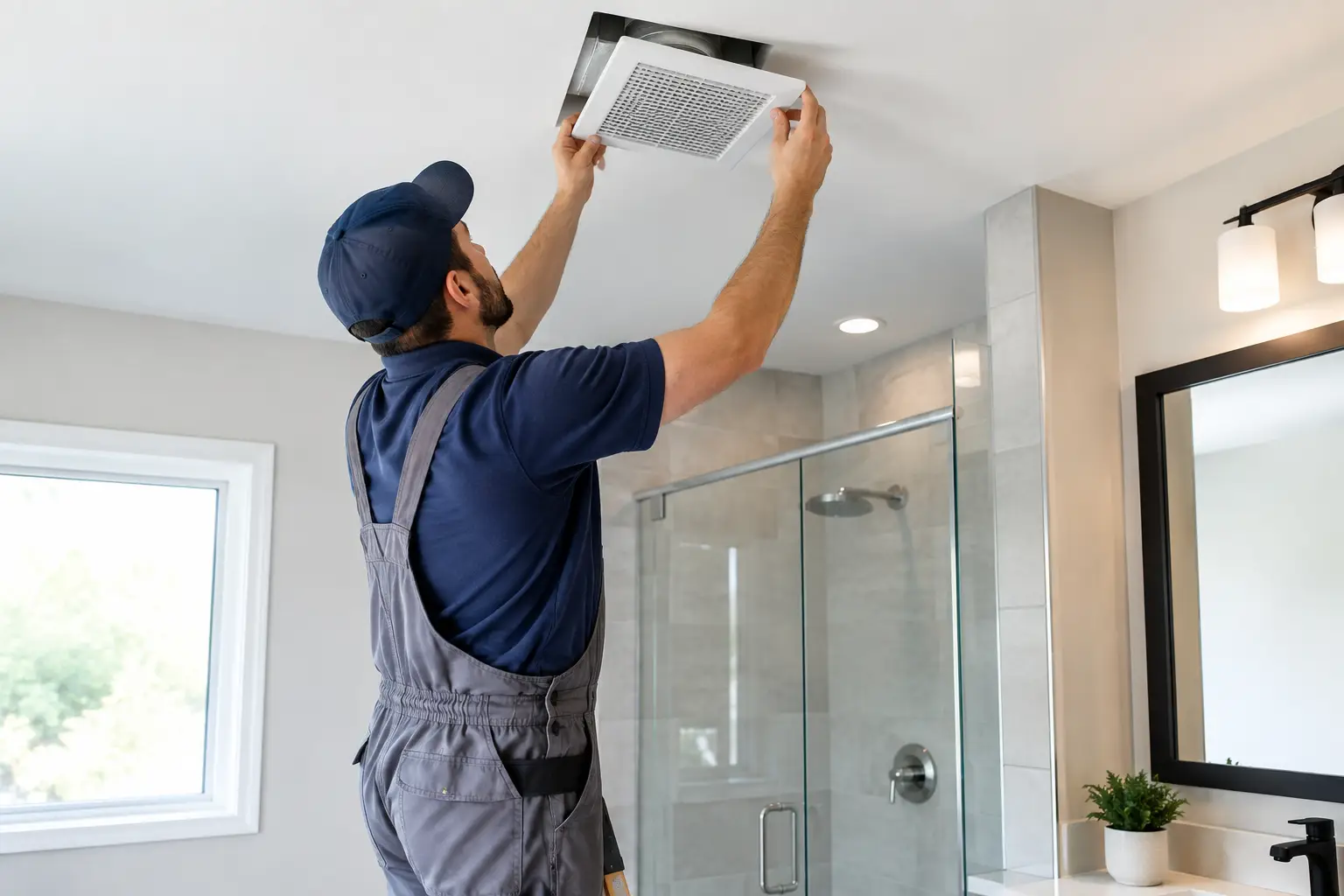
A room addition should add comfort now and value over time. That means paying attention to what you cannot always see after the project is finished. Proper foundations, structural connections, waterproofing, insulation, ventilation, and electrical work are essential to the performance of the new space.
It also means matching the addition to the home where it makes sense. Some contrast can be intentional and attractive, especially in modern renovations. But the design should still feel considered. The exterior should complement the property, while the interior should connect naturally to existing rooms.
Greenwood Contractors approaches additions with that full-picture mindset. Clear planning, quality craftsmanship, honest pricing, and consistent communication help homeowners move forward without unnecessary stress.
The right addition can give your home room to grow without asking you to leave the neighborhood you love. If you are considering an expansion, contact Greenwood Contractors for a free estimate and a straightforward conversation about your project.