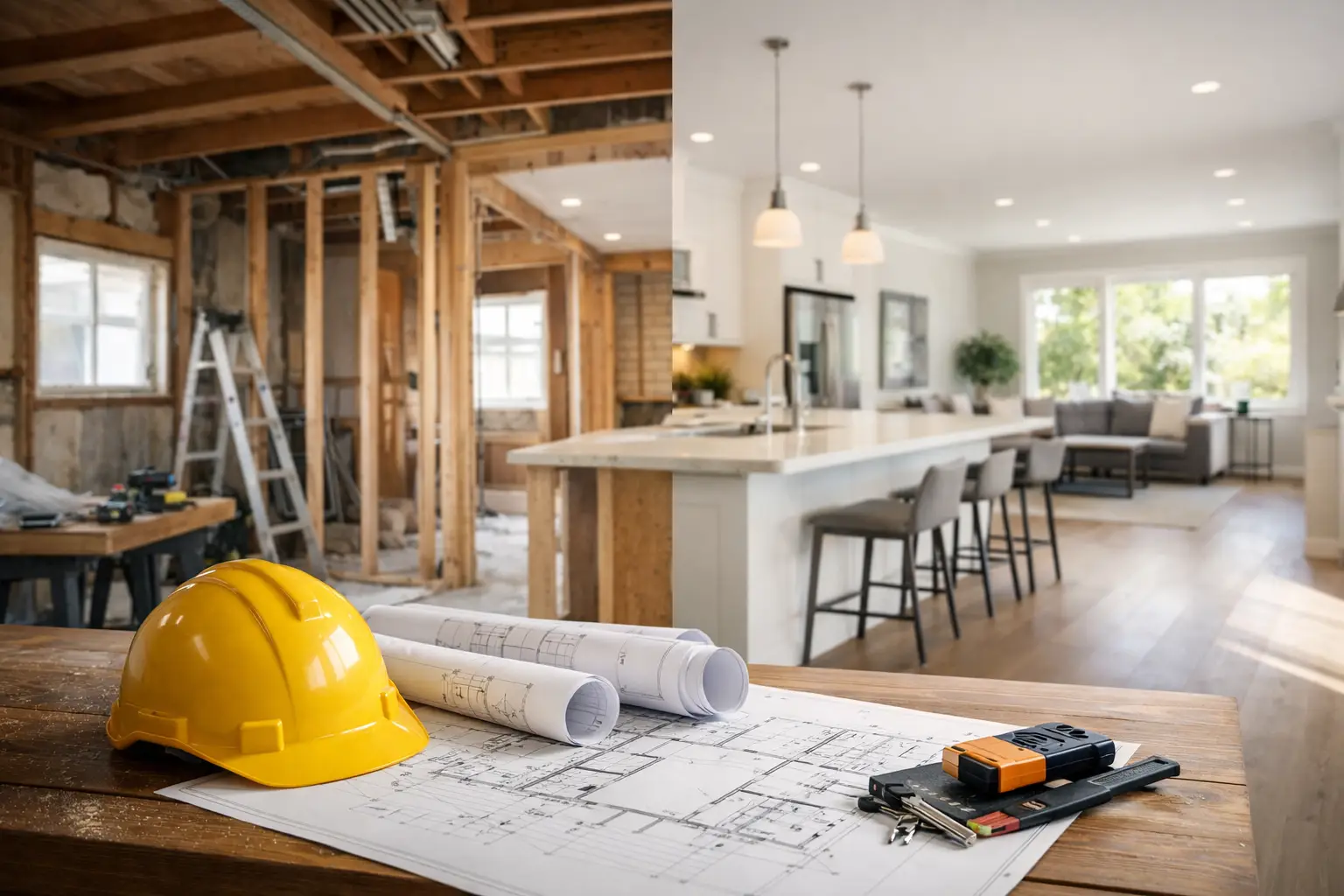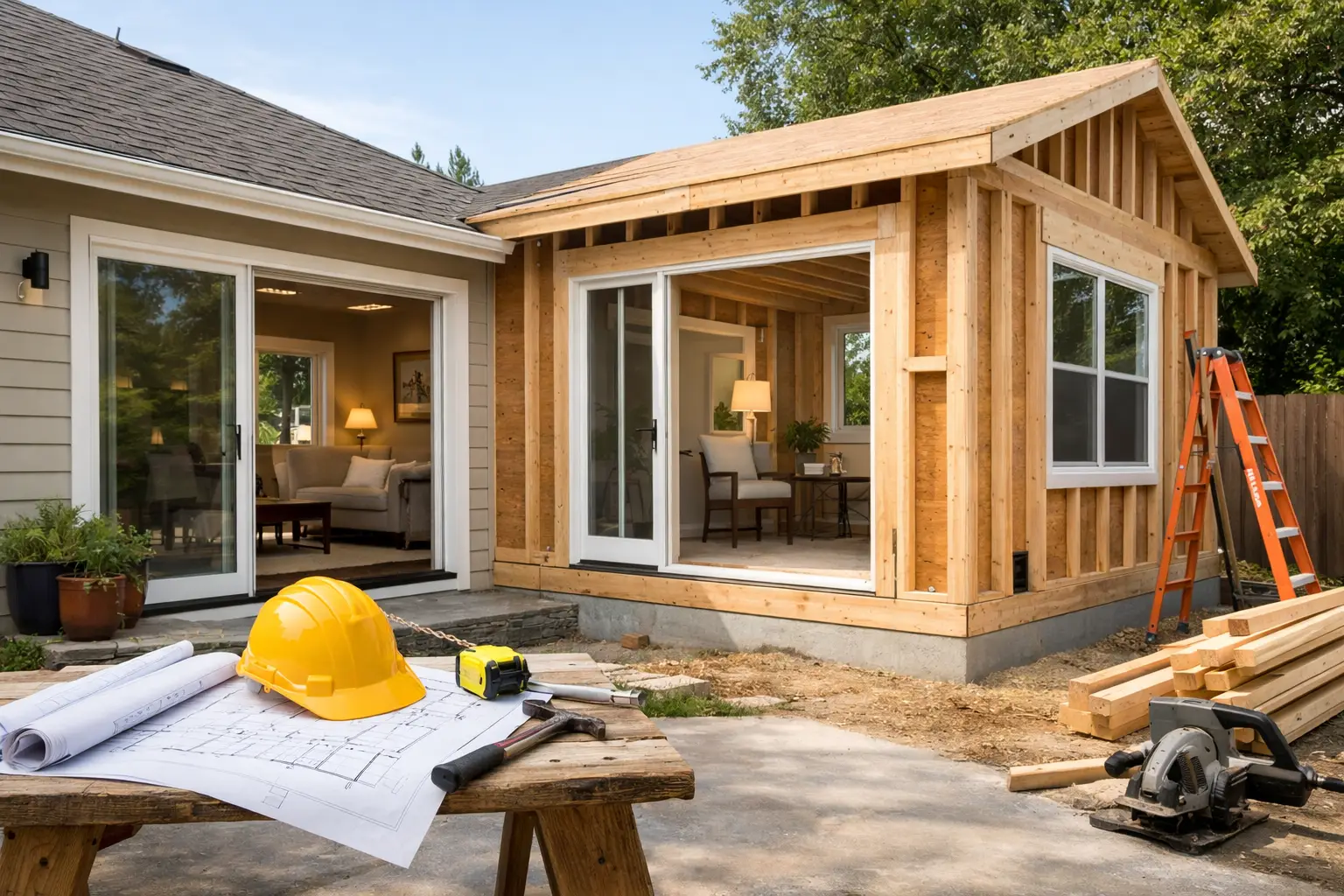

A renovation can look quiet at first. Then demolition begins, cabinets arrive, an inspection gets scheduled, and suddenly every decision affects the next crew. This interior renovation timeline guide helps homeowners understand what happens when, what can cause delays, and how to keep a project moving without cutting corners.
The most reliable renovation schedule is built before anyone swings a hammer. Good planning protects your budget, your home, and your peace of mind. It also gives you a clear answer when you ask the question every homeowner asks: When will this be finished?
Start With the Real Scope of Work
A clear scope is the foundation of an accurate timeline. Replacing flooring and paint is very different from moving walls, relocating plumbing, or rebuilding a kitchen. The more trades involved, the more coordination the project requires.
Before construction starts, define the rooms being renovated, the materials being replaced, and the changes that affect electrical, plumbing, HVAC, or structure. If you are remodeling a kitchen, decide whether appliances will stay in the same location. If you are finishing a basement, confirm whether moisture control, insulation, egress, or framing work is needed first.
This is also the right time to separate must-haves from nice-to-haves. A larger island, custom built-ins, premium tile, and specialty lighting can all be worthwhile. But late additions can extend the schedule and raise costs, especially after work has already started.
For many homes, planning and design take two to six weeks. Larger interior remodels, additions, or projects involving structural changes may take longer. The goal is not to rush this stage. The goal is to prevent expensive changes in the middle of construction.
Interior Renovation Timeline Guide by Project Phase
Every home is different, but most interior renovations follow the same basic sequence. Some phases overlap, while others must wait for the one before them to be completed and approved.
Design, selections, and pricing
This phase usually takes two to six weeks. You finalize the layout, choose fixtures and finishes, confirm the scope, and receive a detailed proposal. Contractors can only schedule labor and order materials confidently when these decisions are settled.
Material selections matter more than many homeowners expect. A readily available vanity may arrive in days. Custom cabinets can take several weeks or longer. Specialty tile, made-to-order windows, and certain lighting fixtures can also affect the construction start date.
Permits and ordering
Permitting often takes two to eight weeks, depending on the project and local requirements. In Los Angeles, permit timing can vary widely based on the scope, plans, and city review process. Cosmetic updates may not require permits, but electrical, plumbing, structural, and major layout changes often do.
During this time, your contractor should order long-lead materials and confirm delivery timing. Ordering early helps avoid a common problem: the room is ready, but the cabinet, tile, or fixture is still weeks away.
Site preparation and demolition
Demolition is usually the most visible phase, but it is not always the longest. A bathroom demolition may take a few days. A full kitchen or multi-room interior renovation can take one to two weeks.
Before demolition, protect adjacent rooms, identify dust-control measures, and decide how the household will function during construction. If the kitchen is out of service, set up a temporary food and dishwashing area. If a bathroom is being remodeled, confirm which bathroom will remain available.
Once walls or flooring are opened, the team may find hidden water damage, outdated wiring, termite damage, or framing issues. These discoveries are not unusual in older homes. A dependable contractor explains the issue, presents options, and adjusts the schedule only as needed to complete the repair correctly.
Framing, rough plumbing, electrical, and HVAC
This is where the new space takes shape. Framing happens first when walls are being moved or built. Then plumbers, electricians, and HVAC technicians install the work hidden behind the walls.
This phase commonly takes one to three weeks for a kitchen or bathroom remodel. Larger projects can take longer. It also includes rough inspections, which must be completed before drywall can close the walls.
Inspection timing is one reason a renovation schedule cannot always be reduced to a simple number of workdays. A crew may complete its portion quickly, but the next step may need to wait for an inspector or a required correction. That pause protects you by confirming critical work meets code before it disappears behind finishes.
Insulation, drywall, and surface preparation
After rough inspections pass, insulation and drywall can begin. Drywall installation is fast, but finishing takes time. The joint compound must dry between coats, and drying time depends on humidity, temperature, and the condition of the home.
Expect roughly one to two weeks for drywall, texture, sanding, primer, and early painting on a typical interior remodel. This stage can feel slow because progress is less dramatic than demolition or cabinet installation. Still, quality surface preparation makes a major difference in the finished result.
Cabinets, tile, flooring, and finish work
Finish work turns a construction site back into a home. Cabinets are installed, tile is set, flooring goes down, countertops are templated and fabricated, and trim work begins. The order matters. For example, countertop fabrication often cannot start until base cabinets are installed, and installation may follow a separate fabrication schedule.
A kitchen’s finish phase often takes three to six weeks. Bathrooms may take two to four weeks, depending on tile complexity and fixture availability. Custom work, detailed tile patterns, and specialty finishes may extend the timeline, but they can also deliver the durable, tailored result homeowners want.
Final fixtures, punch list, and closeout
The final phase includes installing lighting, plumbing fixtures, appliances, hardware, mirrors, and final paint touch-ups. Your contractor should walk the space with you and create a punch list for any remaining items.
This is not a phase to rush. Small adjustments, such as aligning cabinet doors, sealing trim, correcting paint touch-ups, or testing fixtures, are part of quality craftsmanship. Final inspections may also be required before the project is officially complete.
How Long Does an Interior Renovation Usually Take?
A small cosmetic renovation may take two to four weeks. A standard bathroom remodel often takes four to eight weeks after permits and materials are ready. A kitchen remodel commonly takes eight to fourteen weeks. A whole-home interior renovation can take three to six months or more, particularly when it includes structural work, multiple bathrooms, new flooring throughout, or major systems upgrades.
These ranges are useful starting points, not promises. The best timeline depends on the home’s condition, local permitting, material lead times, inspection availability, weather-related delivery issues, and the number of changes requested during construction.
What Homeowners Can Do to Prevent Delays
Homeowners have more influence over the schedule than they may realize. The biggest help is making selections early. Choose tile, cabinets, countertops, plumbing fixtures, appliances, paint colors, and lighting before construction begins whenever possible.
It also helps to keep communication simple and direct. Ask for a project schedule before work starts. Confirm who your main point of contact is. If you are considering a change, discuss it before ordering or installation begins. A change may be completely reasonable, but knowing its cost and timing impact upfront prevents frustration later.
Access matters, too. Make plans for pets, parking, storage, and daily entry to the home. Clear work areas and prompt decisions allow crews to stay productive. A professional contractor should also protect your home, keep the site organized, and let you know what is happening next.
Choose a Timeline That Allows for Quality
Fast turnaround is valuable, but speed should never mean skipped preparation, unapproved work, or poor installation. The right contractor balances efficiency with the details that protect your investment: accurate measurements, code-compliant work, proper drying time, careful inspections, and a final walk-through that is not treated as an afterthought.
A well-managed renovation is not simply one that finishes quickly. It is one that finishes with work you feel confident living with for years. If you are planning an interior update, kitchen remodel, bathroom renovation, or full home transformation, contact Greenwood Contractors for a free estimate and a clear project timeline built around your home.