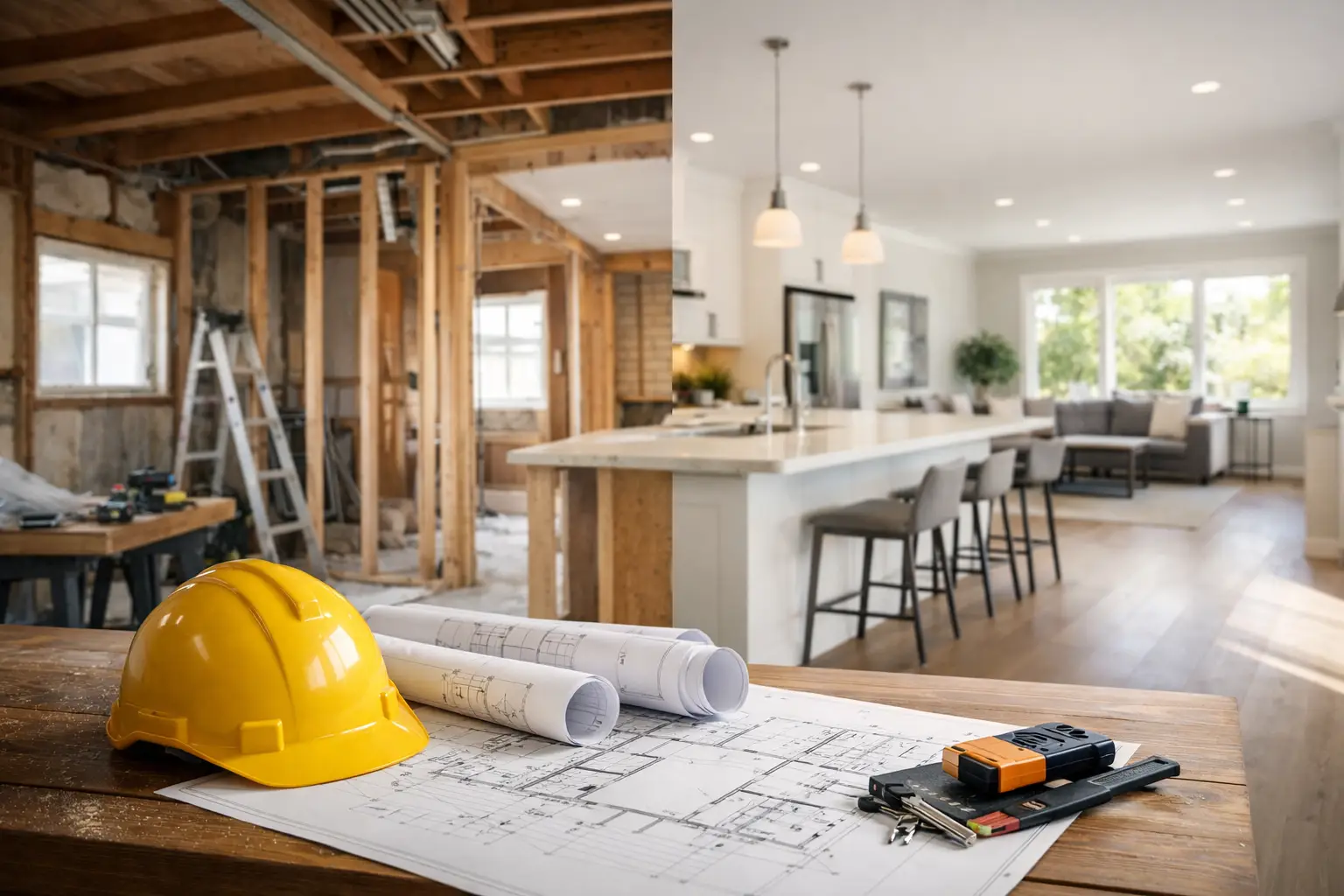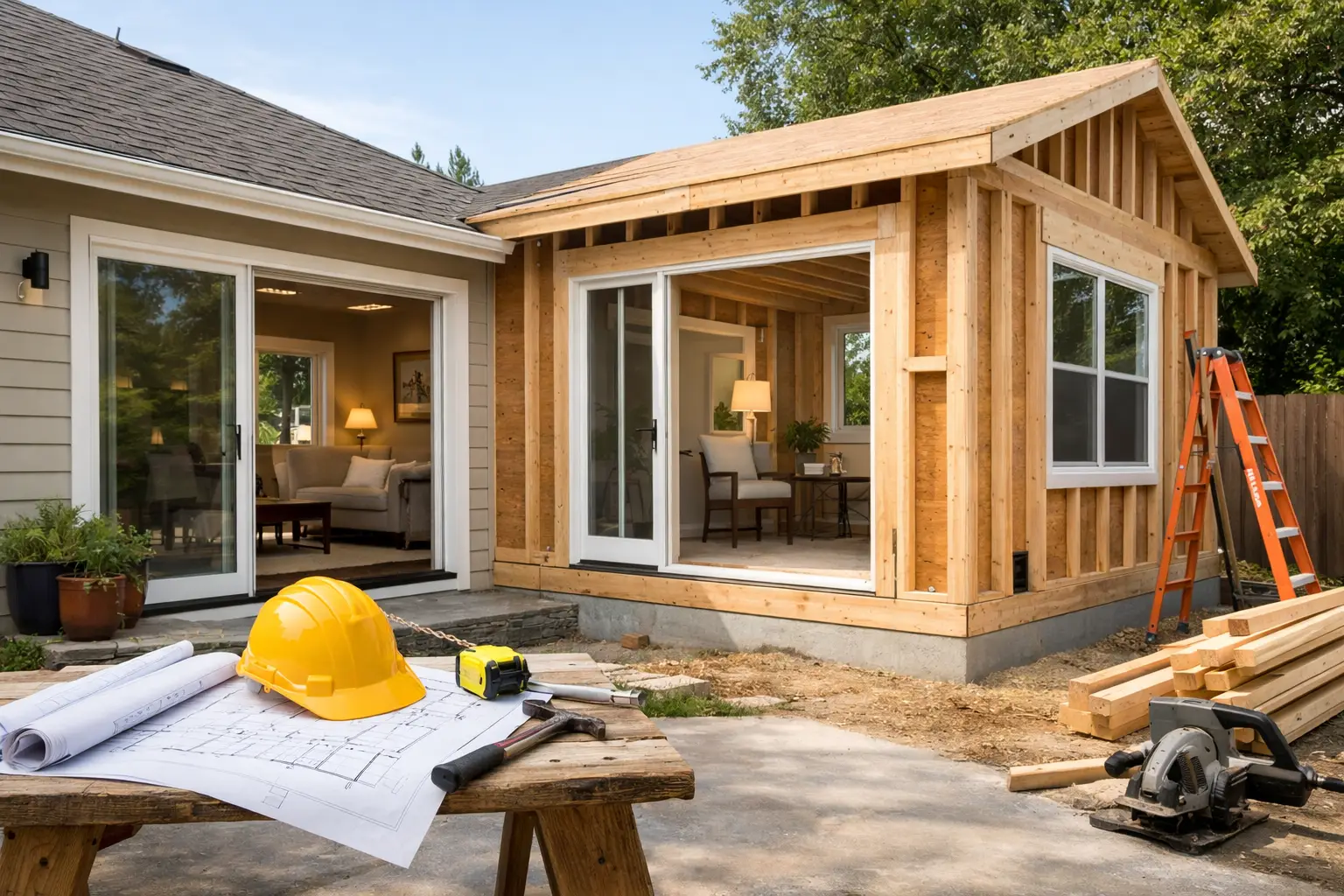
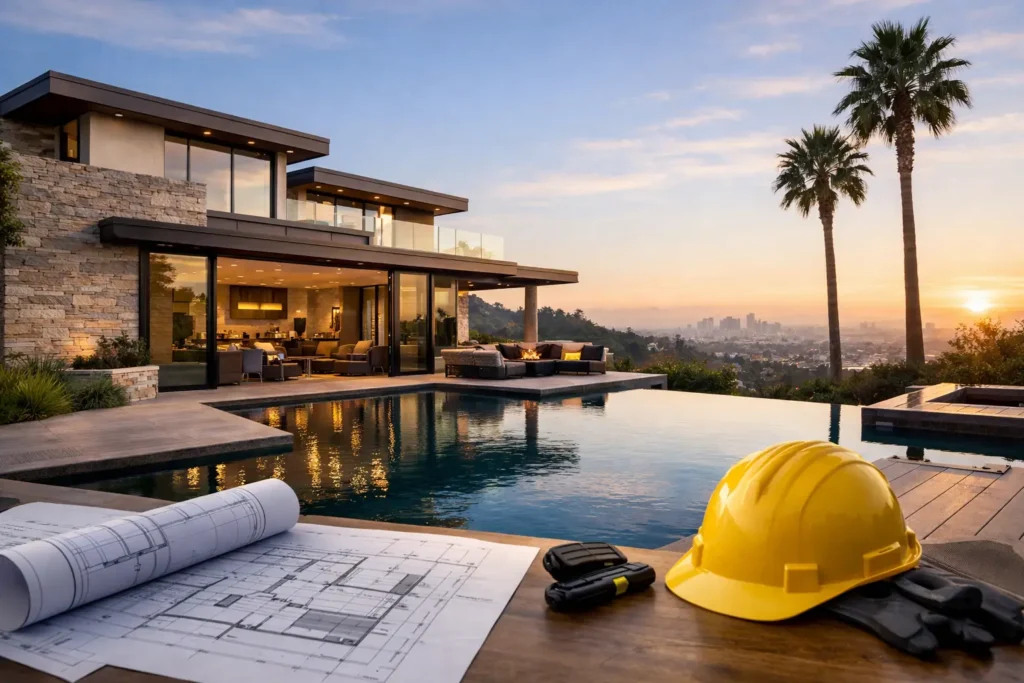
A custom home is not just a larger construction project. It is a long-term decision about how your family will live, gather, work, and grow. When comparing custom home builders Los Angeles homeowners should look beyond attractive renderings and quick promises. The right builder brings clear planning, dependable communication, skilled craftsmanship, and a realistic approach to budget and timing.
Los Angeles adds its own layers of complexity. Lots can be narrow, sloped, or subject to hillside rules. Older neighborhoods may have utility limitations, zoning concerns, or strict design review. Seismic requirements, fire safety standards, and permit timelines also affect the path from idea to move-in day. A capable builder helps you understand those realities early, before they become expensive surprises.
What Custom Home Builders in Los Angeles Should Handle
A good custom home builder does more than coordinate labor. They help turn a concept into a buildable plan, manage the work in the right sequence, and keep everyone accountable throughout the project. That starts before construction begins.
Early planning should include a close review of the property, local regulations, access for crews and materials, and the condition of existing utilities. If you are replacing an older home, the builder should also identify demolition needs, possible site issues, and any structural concerns that could influence the budget.
Your builder should work closely with the architect, designer, engineers, and permitting team. Some homeowners already have plans when they begin the search. Others need help assembling the right team. Either approach can work well, but it is best to involve a contractor before plans are fully finalized. That gives you practical feedback on construction costs, material availability, and details that may look great on paper but create unnecessary expense in the field.
The builder also manages the daily reality of the job. That includes scheduling trades, ordering materials, monitoring quality, maintaining a safe site, and communicating changes. Custom construction has many moving parts. Consistent project management keeps small decisions from turning into major delays.
Start With the Way You Want to Live
The strongest custom homes are designed around daily routines, not just square footage. Before talking about finishes, consider how the home needs to work for you five or ten years from now.
A growing family may need bedrooms that can adapt into study rooms or guest spaces. A homeowner who works remotely may need a quiet office with natural light and proper sound control. If you host often, the relationship between the kitchen, dining area, outdoor space, and storage matters more than a dramatic entryway that gets little use.
Los Angeles living often makes indoor-outdoor connections a priority. Sliding glass doors, covered patios, outdoor kitchens, and shaded seating areas can extend usable living space. Still, those features need thoughtful planning. Sun exposure, privacy from neighboring homes, drainage, wind, and maintenance all affect the final result.
This is also the right time to discuss an accessory dwelling unit, garage conversion, or flexible guest suite. A well-planned ADU can support multigenerational living, provide rental income, or create a private workspace. It may make sense to build it now, or to prepare utilities and access for a future addition. The best choice depends on your lot, budget, and long-term goals.
A Clear Budget Is More Useful Than a Low Number
Custom home pricing is not one simple figure. Site work, foundation requirements, structural engineering, permits, utility upgrades, finish selections, and labor all shape the total. Two homes with similar square footage can have very different costs if one has a steep lot, extensive glazing, high-end stone, or complex architectural details.
A trustworthy builder will explain what is included, what is estimated, and what could change. You should be able to see the difference between fixed costs and allowances. An allowance is a budgeted amount for a selection that has not been finalized, such as tile, plumbing fixtures, appliances, or lighting. Low allowances can make an initial proposal look appealing, but they can lead to painful changes once you select the products you actually want.
Ask how the builder handles change orders. Changes are common in custom work, especially when owners refine selections during construction. The issue is not whether a change occurs. The issue is whether it is documented, priced clearly, and approved before the work proceeds.
It is also wise to carry a contingency fund. The proper amount depends on the project and property conditions. A straightforward flat-lot build may have fewer unknowns than a remodel or teardown on a challenging hillside site. Your contractor should give honest guidance rather than promising that nothing will change.
Questions Worth Asking Before You Sign
A builder should welcome direct questions. The answers reveal a great deal about their process, experience, and respect for your investment. Ask about the following before committing:
- Who will be my day-to-day contact, and how often will I receive updates?
- What is included in the proposal, and what selections are still allowances?
- How do you handle permit delays, material lead times, and unexpected site conditions?
- Which trades will be used, and who is responsible for quality checks at each stage?
- What is the payment schedule, and how are changes approved and documented?
You should also ask to review examples of comparable work. Look for consistency in details, not just one impressive photograph. Clean lines, properly fitted finishes, thoughtful transitions between materials, and organized job sites are signs of a contractor who values workmanship.
References can be equally helpful. Ask former clients how the builder communicated when something changed. Most construction projects encounter decisions or setbacks. A builder earns trust by responding promptly, presenting options, and following through.
Permits, Timing, and the Reality of Building in Los Angeles
A realistic schedule is one of the most valuable things a builder can provide. It should account for design completion, engineering, permit review, site preparation, inspections, ordering, construction, and final approvals. No contractor can control every outside factor, but an experienced team plans for the steps that commonly affect timing.
Permit requirements vary by location and project type. A new home, major addition, ADU, or structural alteration may require reviews from several departments. In certain areas, hillside conditions, coastal considerations, protected trees, historic rules, or fire-zone requirements can add more review. Trying to rush past these steps can create larger problems later.
Material lead times also deserve attention. Windows, custom cabinetry, specialty appliances, lighting, and certain finish materials can take longer than expected. Making key selections early gives the project a better chance of staying on schedule. It also reduces the pressure to settle for substitutions that do not match your original vision.
Fast turnaround matters, but it should never mean skipped preparation or hidden compromises. The right pace is one that keeps work moving while protecting quality, safety, and proper inspections.
Craftsmanship Shows Up in the Details You Do Not See
Homeowners naturally focus on cabinetry, flooring, fixtures, and paint colors. Those choices matter, but the hidden work carries equal weight. Proper framing, structural connections, waterproofing, insulation, drainage, electrical planning, and plumbing installation protect the home long after the final walkthrough.
This is especially true in Los Angeles, where earthquake resilience and water management deserve serious attention. A beautiful bathroom will not feel like a success if waterproofing fails behind the tile. A bright, open room needs the right structural planning to support large openings safely. Good builders explain these decisions in plain language and do not treat them as details you are not allowed to question.
A clean, well-managed site is another practical signal. Construction can be disruptive, but professional crews take reasonable steps to protect the property, control debris, and respect neighbors. That is particularly valuable in established Los Angeles neighborhoods where access is tight and homes sit close together.
Choose a Partner, Not Just a Price
The lowest proposal is not always the best value, and the highest proposal does not automatically mean better work. Look for a builder whose scope is clear, whose communication feels direct, and whose recommendations make practical sense for your home.
You should feel comfortable discussing budget limits, design priorities, and concerns without being pressured. A dependable contractor will help you decide where investing more makes sense and where simpler choices can protect your budget. That partnership matters because a custom home requires hundreds of decisions, large and small.
Your home should reflect your life while standing up to years of use. Start with a clear plan, ask direct questions, and choose a team that treats your project with the care it deserves. Contact Greenwood Contractors today for a free estimate and a straightforward conversation about your custom home plans.