
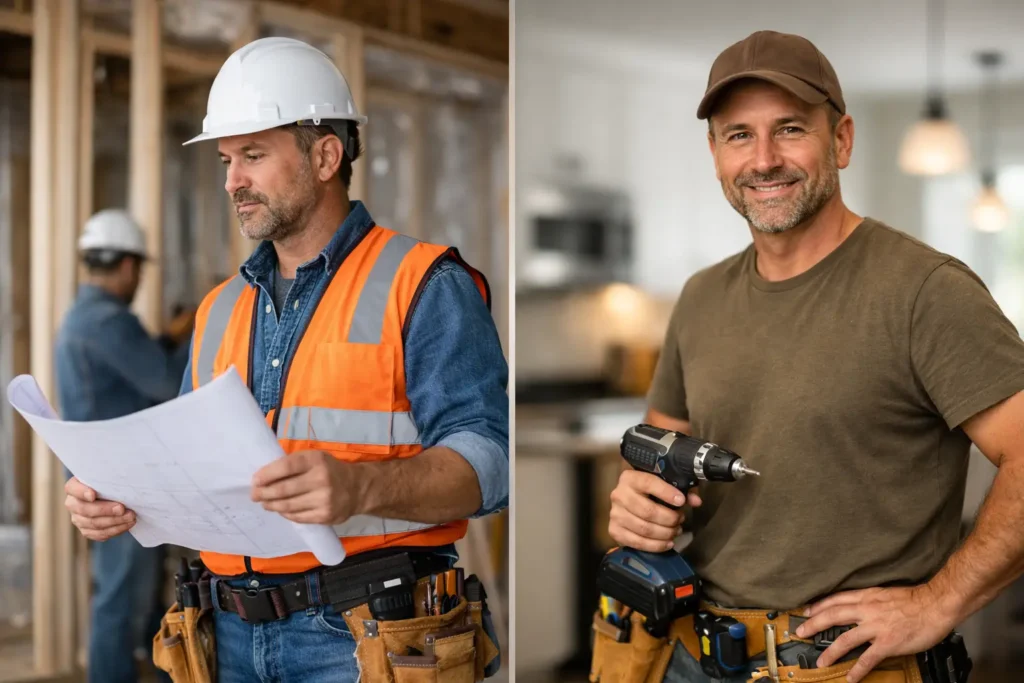
You do not want to figure out the remodeling contractor vs handyman question after the walls are open, the budget is moving, and the wrong person is already on the job. The right hire can save you time, stress, and expensive do-overs. The wrong one can leave you with delays, code issues, and unfinished work.
For homeowners, this choice usually comes down to scope, risk, and coordination. Some jobs are simple and self-contained. Others involve permits, multiple trades, inspections, and structural changes. That is where the difference really matters.
Remodeling contractor vs handyman: what is the difference?
A handyman usually handles smaller repair and maintenance work. Think drywall patches, trim replacement, door adjustments, minor tile repairs, fixture swaps, and punch-list items around the house. These jobs are often quick, straightforward, and limited in scope.
A remodeling contractor manages larger renovation projects and more complex work. That can include kitchen and bathroom remodels, room additions, garage conversions, basement finishing, deck construction, structural repairs, and projects that involve plumbing, electrical, framing, permits, or inspections. A contractor is also typically responsible for planning, scheduling, materials, subcontractors, and quality control.
The difference is not just skill level. It is also about project management and legal responsibility. A handyman may be a good fit for a short to-do list. A remodeling contractor is built for work that changes how a space functions, looks, or performs.
When a handyman makes sense
A handyman can be a practical and cost-effective choice when the work is small and isolated. If you need a leaky faucet replaced, a few pieces of damaged trim repaired, or shelves installed, hiring a full remodeling contractor may be more than the job requires.
This works best when there is a clear task, no design decisions, and no need to coordinate several trades. The timeline is usually shorter, the price is lower, and the process is simpler. For many homeowners, that is exactly the right solution.
But there are limits. Once a job starts touching plumbing lines behind walls, electrical circuits, waterproofing systems, structural framing, or anything that requires permits, the risk goes up fast. What looks like a basic repair can turn into a larger issue once the work begins.
When you need a remodeling contractor
If the project changes the layout, affects a major system, or needs permits, a remodeling contractor is usually the safer choice. Kitchens and bathrooms are the most common examples. They may look cosmetic on the surface, but behind the finishes are plumbing, electrical, ventilation, waterproofing, cabinetry, and inspections that all need to work together.
The same goes for additions, garage conversions, structural wall removal, foundation repairs, and full interior remodels. These are not just labor jobs. They are planning jobs. They require sequencing, trade coordination, problem-solving, and accountability from start to finish.
That structure matters because remodeling rarely goes exactly as expected. A contractor is there to manage what happens when hidden water damage appears, framing is not to code, or material lead times shift the schedule. On a real project, those details are not minor. They are the job.
Cost is not the only factor
Homeowners often start with price, and that is understandable. A handyman usually charges less than a remodeling contractor. For small work, that can be the smart move.
But lower upfront cost does not always mean lower total cost. If a job is done incorrectly, out of code, or without proper planning, the fix can cost more than doing it right the first time. That is especially true in bathrooms, kitchens, and any project involving moisture, structure, or safety.
There is also the cost of delays. If one person is trying to handle work that really needs several trades and a project schedule, your job can drag on. Materials may arrive out of order. Inspections may be missed. Finishes may be installed before rough work is complete. Those mistakes create frustration and waste.
A good contractor may cost more at the start, but often brings better control over the full budget. That includes labor, materials, timeline, and fewer surprises.
Licensing, insurance, and permits matter
This is where many homeowners get caught off guard. Not every project legally requires the same level of licensing, and rules vary by state and local jurisdiction. But if your job involves structural work, electrical, plumbing, major remodeling, or permits, you need to be very careful about who is doing the work.
A remodeling contractor is typically set up to operate within those requirements. That includes insurance coverage, subcontractor management, permit handling, and inspection coordination. A handyman may not offer that level of protection or authority, even if they are hardworking and experienced.
This is not about making small jobs complicated. It is about protecting your home and your investment. If a project fails inspection or creates an insurance issue later, the savings from hiring the cheaper option can disappear quickly.
The gray area: jobs that could go either way
Some projects sit in the middle. Replacing flooring in one room, updating a vanity, swapping interior doors, or repairing exterior wood rot might be appropriate for either a handyman or a remodeling contractor, depending on the details.
That is why the best question is not just, “Who is cheaper?” It is, “What could this job turn into once it starts?” If there is a chance of hidden damage, code upgrades, moisture problems, or multiple trades, a contractor is usually the better fit.
Bathrooms are a perfect example. Replacing a mirror or towel bar is a handyman task. Replacing a shower, moving plumbing, changing tile assemblies, or updating ventilation is remodeling work. On paper, those can sound close. In practice, they are very different.
How to choose the right professional
Start by defining the real scope of the job, not just the symptom. A cracked ceiling may be a simple patch, or it may point to structural movement or water intrusion. An outdated kitchen may seem cosmetic, but once cabinets come out, you may need electrical updates, drywall repair, and layout changes.
Then ask practical questions. Will walls be opened? Are permits needed? Does the job involve plumbing, electrical, or framing? Will more than one trade be involved? Does someone need to manage scheduling, inspections, and materials? If the answer is yes to several of those, you are likely in remodeling contractor territory.
It also helps to consider your own goals. If you want a polished result, clear communication, dependable scheduling, and one point of contact for the full project, a remodeling contractor offers more structure. That can make a big difference when the work affects your daily routine or your home’s value.
What homeowners in Los Angeles should keep in mind
In Los Angeles, remodeling work often comes with extra layers of permitting, inspections, and property-specific requirements. Older homes may have outdated systems, hidden damage, or previous work that does not meet current code. That makes experience and project oversight even more important.
For simple repairs, a handyman can still be a useful option. But for renovations that affect layout, safety, or long-term performance, working with a qualified remodeling contractor can help avoid setbacks that are costly and hard to unwind later.
The better question is not who can do it
In many cases, both a handyman and a remodeling contractor may say yes to the same project. The real question is who can do it properly, manage the moving parts, and stand behind the result.
If the job is small, isolated, and low risk, a handyman may be all you need. If the project is larger, more valuable, or more complex than it first appears, hiring a remodeling contractor is often the smarter decision.
Your home is not the place to guess. If you want clear recommendations, honest pricing, and quality workmanship from a team that knows how to manage remodeling the right way, contact Greenwood Contractors for a free estimate. We are here to help you make the next step with confidence.