A crack across a living room wall, a floor that feels uneven, or doors that suddenly stick can make any property owner uneasy. When you search for structural repair contractors near me, you need more than a quick appointment. You need a contractor who can identify the real cause, explain the repair clearly, and complete the work with care.
Structural concerns affect the safety, value, and long-term comfort of a property. They also demand a different approach than a cosmetic remodel. A fresh coat of paint may hide a crack for a while. It will not fix movement, moisture damage, or a weakened support system behind the wall.
1. Start With the Symptoms, Not the Assumed Repair
It is natural to search for a specific solution, such as foundation repair, beam replacement, or wall reinforcement. Still, the visible problem is not always the source of the problem. A crack may result from normal settling, but it can also point to water intrusion, framing damage, shifting soil, termite activity, or an overloaded area of the home.
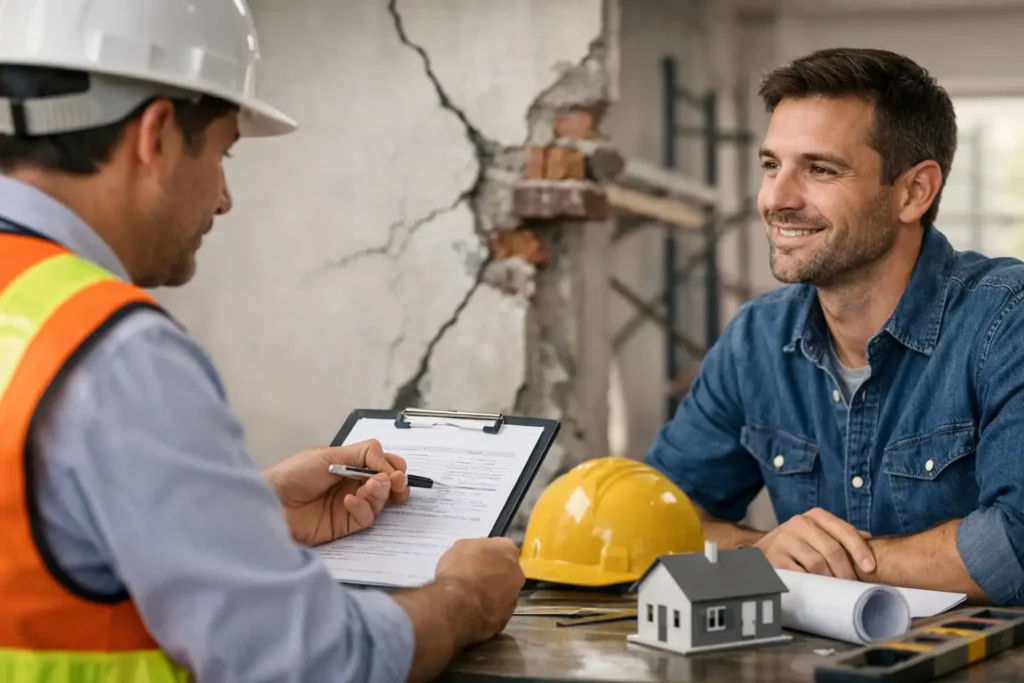
A dependable contractor begins with an inspection. They look at the affected area and the spaces around it. They ask when the issue appeared, whether it has changed, and whether there has been a leak, renovation, or drainage issue nearby. This early investigation prevents costly guesswork.
For example, a sagging floor could require new support beneath the home. It could also involve damaged joists caused by moisture. The right repair depends on what is actually happening, not what looks fastest from the surface.
2. Look for Clear Experience With Structural Work
General contracting experience matters, but structural repairs require particular judgment. The work may involve load-bearing walls, support beams, floor framing, roof framing, foundation connections, or repairs after water damage. Each element affects the others.
Ask prospective contractors about similar projects they have completed. A professional should be able to describe the work in plain language. They should explain what they found, how they protected the structure during construction, and why the selected repair made sense.
You do not need a contractor who tries to impress you with technical terms. You need one who can answer direct questions without dodging them. If a repair requires an engineer, permit, or specialized assessment, an honest contractor will say so. That is a sign of good judgment, not a lack of capability.
3. Confirm They Understand Permits and Local Requirements
Structural work often requires permits because it changes or restores parts of a building that support weight. In Los Angeles, requirements can vary based on the type of repair, the property, and the scope of work. Skipping the proper process may create problems during a future sale, refinance, insurance claim, or renovation.
Your contractor should explain whether permits are likely needed and who will handle the process. They should also be upfront about when engineering plans or inspections may be required. Not every cracked wall needs a complex permit package. But when a repair affects a load-bearing component, doing things correctly protects everyone involved.
A fast turnaround is valuable, especially when damage is disrupting your home or business. It should never mean cutting corners. The best contractors balance efficient scheduling with responsible planning.
4. Ask for a Written Scope of Work
A verbal estimate is not enough for structural repairs. Before work begins, you should receive a written scope that explains what will be repaired and what is included in the price. It does not have to be difficult to read. In fact, clear language is better.
A useful scope should address the damaged area, the proposed repair method, materials, labor, site protection, cleanup, and any expected permit or engineering needs. It should also explain what happens if the contractor finds hidden damage after opening a wall, floor, or ceiling.
Hidden conditions are one of the biggest variables in this type of work. Water damage behind drywall or deteriorated framing beneath a floor may not be visible during the first visit. A trustworthy contractor will not pretend that uncertainty does not exist. Instead, they will tell you how discoveries will be documented, discussed, and priced before additional work moves forward.
5. Compare Estimates Carefully, Not Just by Price
When comparing structural repair contractors near you, the lowest number can be tempting. It can also leave out essential work. One estimate may include temporary supports, permits, finish repairs, and cleanup. Another may cover only the most basic labor.
Review what each contractor is proposing. Are they repairing the cause of the problem or only covering the visible damage? Are the materials specified? Is the timeline realistic? Does the estimate state what is excluded?
Price matters, and every homeowner has a budget. But a repair that fails or creates a new issue will cost more than a properly planned job. Value comes from accurate diagnosis, quality materials, skilled installation, and communication from start to finish.
6. Pay Attention to Communication Before the Job Starts
The way a contractor handles your first call often tells you what the project experience will be like. Structural concerns are stressful. You should not have to chase down basic answers or wonder whether someone will show up.
Look for a team that responds promptly, arrives prepared, and explains the next step. They should respect your property during the inspection and take your concerns seriously. A contractor does not need to promise an instant answer to every question. They do need to communicate what they know, what they still need to verify, and when you can expect an update.
This is especially important if the repair affects occupied rooms. Ask how the work area will be contained, how dust and debris will be managed, and whether the space will be usable during construction. Good planning makes a major difference for families, tenants, and businesses trying to stay operational.
7. Know When to Act Quickly
Some signs deserve prompt professional attention. If a crack is widening, a floor is sinking, a ceiling is sagging, or a wall appears to bow, do not wait for a routine remodeling project to address it. The same is true if you notice persistent water intrusion around the foundation, major gaps around windows or doors, or visible rot in framing.
That does not mean every issue is an emergency. Hairline cracks can be common in homes, particularly as materials expand and contract. The key is change. New damage, growing damage, or damage paired with moisture or movement should be evaluated sooner rather than later.
Until a professional assesses the area, avoid adding unnecessary weight near a suspected weak floor or sagging ceiling. Take photos and note when you first noticed the issue. Those details can help the contractor understand the situation.
What a Good Structural Repair Process Looks Like
A well-managed repair starts with a thorough assessment and a clear explanation of the findings. From there, the contractor develops a practical scope, coordinates permits or engineering when needed, and schedules the work around your needs as much as possible.
During construction, the crew should protect nearby surfaces, keep the site orderly, and communicate if conditions change. Once the structural work is complete, the final steps may include drywall, paint, flooring, trim, or other finish repairs to restore the space. The goal is not only to make the structure sound again. It is to make your property feel whole again.
Structural repairs are not the place for assumptions or rushed decisions. A careful evaluation today can preserve your property and prevent a smaller issue from turning into a larger one tomorrow. Contact Greenwood Contractors for a free estimate and straightforward guidance on your structural repair needs.