
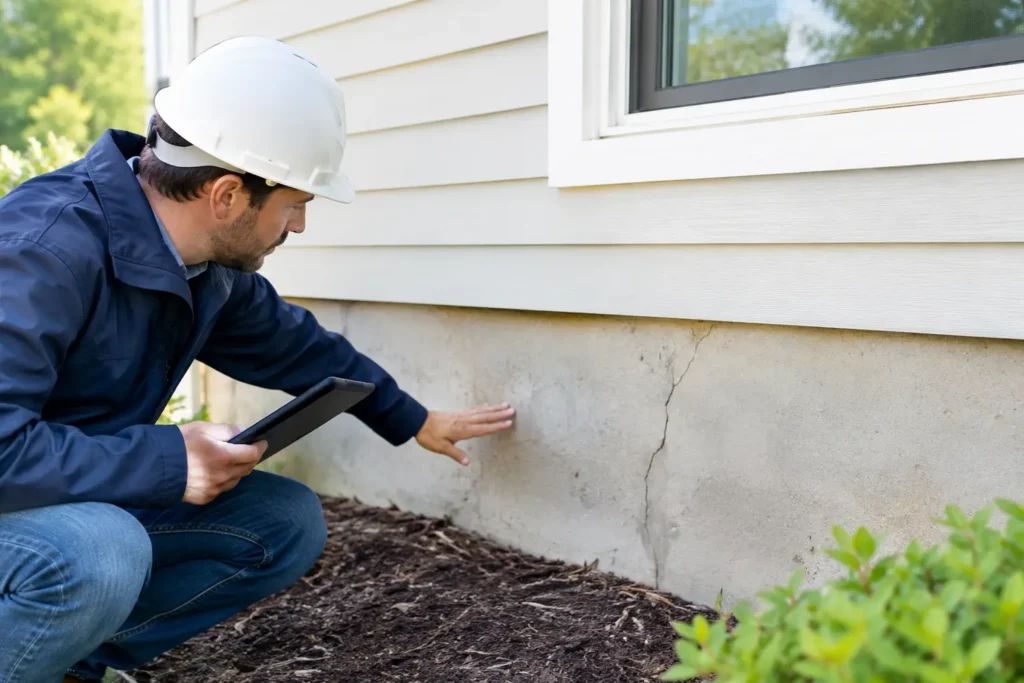
A hairline crack near a window may be nothing more than normal aging. But when that crack grows, doors begin sticking, and floors no longer feel level, your home may be telling you something more serious. Knowing the top signs of foundation settlement helps you act before a manageable repair becomes a major structural project.
Foundation movement can feel alarming, especially when it affects the rooms your family uses every day. The good news is that not every crack means your home is in danger. Homes naturally settle over time. What matters is whether the movement is minor and stable or ongoing and uneven.
What Foundation Settlement Really Means
Foundation settlement happens when the soil beneath a home shifts, compresses, washes away, or cannot support the structure evenly. As one area settles more than another, the house can move out of alignment. This is often called differential settlement.
In Los Angeles, soil conditions, hillside properties, drainage problems, drought cycles, heavy rain, and older construction can all affect how a foundation performs. Plumbing leaks below a slab can also soften or erode soil over time. The cause matters because a lasting repair should address both the structural issue and the condition that created it.
A professional inspection can separate cosmetic wear from warning signs that need attention. Waiting for certainty is understandable, but visible changes are worth documenting early.
Top Signs of Foundation Settlement to Watch For
Cracks in Interior Walls and Ceilings
Small paint cracks are common in homes. Cracks that are wider, longer, or continuing to spread deserve a closer look. Pay special attention to diagonal cracks that run from the corners of doors or windows toward the ceiling or floor. These patterns can indicate that part of the structure is moving differently from the rest.
Cracks where walls meet ceilings are another concern, especially if they appear alongside gaps in trim or doors that no longer close properly. One crack alone does not provide a complete diagnosis. A group of changes in the same area is more meaningful.
Exterior Brick, Stucco, or Concrete Cracks
Foundation settlement can show up outside before it becomes obvious indoors. Look for stepped cracks in brick, splitting stucco, cracks in concrete block, or separation around exterior windows and doors.
A vertical hairline crack may result from normal material expansion and contraction. A diagonal, widening, or offset crack is more concerning. If one side of a crack sits higher or farther forward than the other, the wall may be shifting rather than simply drying or aging.
Doors and Windows That Stick or Will Not Latch
A door that occasionally sticks during humid weather is not always a foundation issue. But doors that suddenly rub the frame, swing open on their own, leave uneven gaps, or will not latch can signal movement in the surrounding framing.
Windows can show similar symptoms. They may become difficult to open, separate from their trim, or develop small gaps around the frame. When several doors and windows change at once, it is time to investigate rather than keep shaving doors or forcing windows shut.
Sloping, Uneven, or Bouncy Floors
Floors should feel solid and generally level. A slight slope may exist in an older home without creating an immediate problem, but a new slope, a noticeable dip, or flooring that seems to pull away from the baseboards should be evaluated.
Tile cracks, separated hardwood planks, and gaps in vinyl flooring can also reflect movement below. In homes with crawl spaces, damaged or undersized supports may cause floor issues that resemble foundation settlement. That is why the right assessment looks at the entire structural system, not just the surface symptom.
Gaps Around Cabinets, Counters, and Trim
Built-in elements do not move on their own. If kitchen cabinets separate from the wall, countertops pull away from backsplashes, or baseboards develop widening gaps, the framing behind them may be shifting.
These details are easy to overlook because they can appear gradually. Take photos with dates when you notice a change. Comparing images over several months can help show whether a gap is stable or continuing to grow.
A Leaning Chimney or Separating Porch
Chimneys, porches, patios, and additions sometimes rest on foundations that move differently from the main home. A chimney that leans, cracks where it meets the house, or develops loose mortar needs prompt attention. It is heavy, exposed to the elements, and can become a safety concern if movement continues.
Likewise, a porch or patio that slopes away sharply, separates from the home, or shows large cracks may point to soil movement or poor drainage. These features are not always structurally tied to the main foundation, but they can reveal site conditions that affect the house as well.
Water Problems Near the Foundation
Water is one of the most common contributors to foundation trouble. Puddles near the home, downspouts that discharge beside the foundation, overflowing gutters, poor yard grading, and leaking irrigation can keep soil too wet. On the other hand, extended dry periods can cause certain soils to shrink and pull away from the foundation.
Watch for damp crawl spaces, musty odors, standing water, or soil that appears washed out near the exterior walls. Correcting drainage may not reverse existing settlement, but it can help prevent further movement and protect the value of structural repairs.
When a Crack Is Cosmetic and When It Is Not
There is no single crack size that tells the whole story. A small, stable crack in a drywall seam may be cosmetic. A crack that widens, returns after patching, runs diagonally from a door or window corner, or appears with sticking doors and uneven floors needs a professional opinion.
Location also matters. Cracks in a detached patio slab are different from cracks in a load-bearing wall, foundation stem wall, or chimney. Homes are made of materials that expand and contract, so perfection is not the goal. The goal is to identify active movement before it affects safety, function, or resale plans.
Do not rely on caulk, paint, or a quick patch as proof that the problem is solved. Cosmetic repairs can make a room look better, but they do not address shifting soil, water intrusion, or damaged framing underneath.
What to Do If You Notice Several Warning Signs
Start by making a simple record. Photograph cracks, note when doors or windows began sticking, and measure visible gaps if you can do so safely. Check gutters, downspouts, sprinkler overspray, and grading around the home. Avoid making major changes to structural areas without knowing the cause.
Next, schedule an evaluation with a qualified professional. Depending on the symptoms, that may include a structural contractor, foundation specialist, plumber, or engineer. The right path depends on the home, the type of foundation, and the source of movement. A careful assessment may find that the issue is localized and repairable, rather than requiring a full foundation replacement.
Ask clear questions about the recommended scope of work, the underlying cause, permitting needs, repair sequence, expected disruption, and warranty coverage. Honest answers matter. Quality work should not rush past drainage, framing, or water issues that could compromise the repair later.
Protect Your Home Before Small Changes Become Bigger Repairs
Foundation settlement rarely improves when the underlying cause continues. Early action can protect your home, reduce repair scope, and give you a clearer plan for moving forward. If you have noticed cracking, uneven floors, sticking doors, or water around your foundation, contact Greenwood Contractors for a free estimate and a straightforward conversation about your options. A careful inspection today can help keep your home safe, stable, and ready for the years ahead.