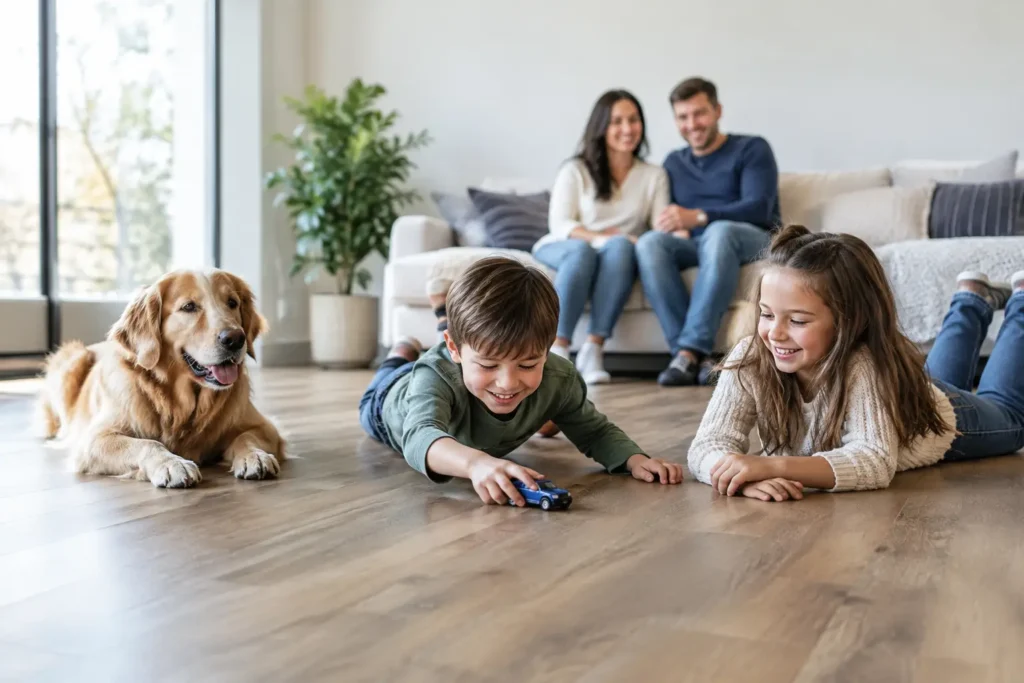
Mudroom puddles. Crumbs under the table. A dropped toy car racing across the living room. For most households, the best flooring for busy families is not simply the prettiest option in the showroom. It is the floor that can handle real life without making every spill, scratch, and scuff feel like a crisis.
The right choice depends on where the flooring goes, how active your home is, and how much maintenance you want to take on. A durable floor should make your home easier to enjoy. It should not turn family time into a list of rules.
What Busy Families Need From Flooring
Before choosing a color or plank width, think about performance. Families usually need flooring that resists moisture, holds up to daily foot traffic, cleans easily, and feels comfortable enough for kids to play on. Pet owners may also need protection from claws, accidents, and tracked-in dirt.
Budget matters too. The lowest upfront price is not always the best value if the floor needs replacement after a few years. On the other hand, the most expensive material may not be necessary in every room. A practical flooring plan often uses different materials in different parts of the home.
For example, a bathroom needs stronger moisture protection than a bedroom. A kitchen needs better stain and scratch resistance than a formal dining room. Matching the material to the room is one of the smartest ways to protect your investment.
Best Flooring for Busy Families: Top Choices
Luxury Vinyl Plank Is the Everyday Favorite
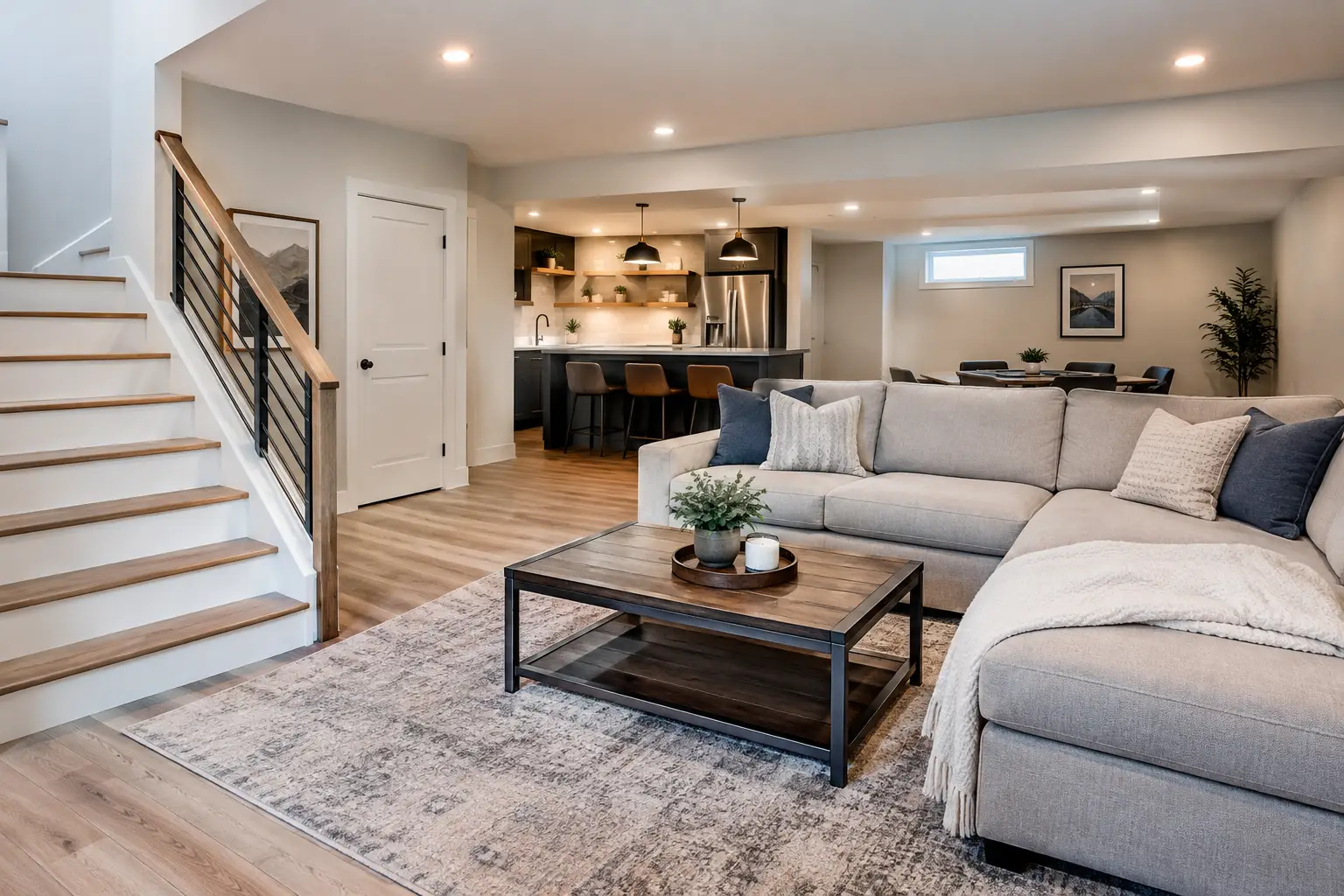
Luxury vinyl plank, often called LVP, is one of the strongest all-around choices for active households. It offers the look of hardwood without the same level of worry. Many products are fully waterproof or highly water-resistant, which makes them a practical fit for kitchens, bathrooms, laundry rooms, entryways, and open-concept living areas.
LVP is also comfortable underfoot compared with tile. It is quieter, warmer, and more forgiving when a glass or toy falls. Most spills can be handled with a quick wipe, and regular sweeping plus occasional mopping is usually enough to keep it looking good.
Not all vinyl flooring performs the same. A thicker wear layer generally offers better protection from scratches and scuffs. This is worth discussing with your contractor, especially if you have large dogs, active children, or heavy furniture. Very low-cost vinyl can dent or show wear sooner, so product quality matters.
Porcelain Tile Wins for Water and Wear
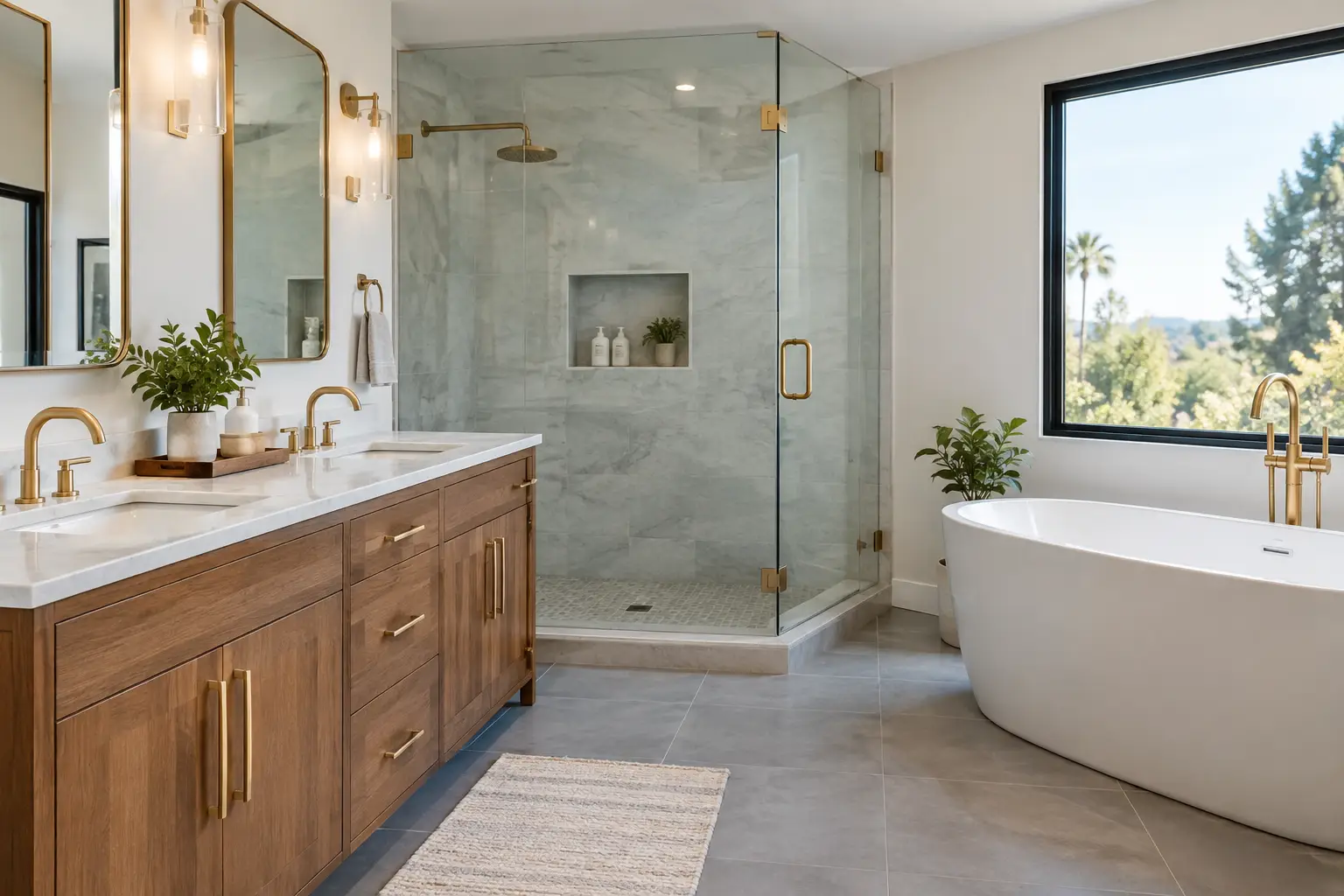
Porcelain tile is hard to beat in rooms where water is part of daily life. It is an excellent choice for bathrooms, mudrooms, laundry rooms, and kitchens. It does not absorb water easily, resists stains, and can stand up to heavy traffic for decades when installed correctly.
Tile also gives homeowners plenty of design flexibility. Wood-look porcelain can create a warm appearance with much less concern about moisture. Large-format tile can make a smaller room feel more open. Textured finishes provide better traction in wet areas.
The trade-off is comfort. Tile is harder and colder than vinyl, cork, or wood. It can also be unforgiving when dishes fall. Area rugs and quality mats can help, but families who spend a lot of time sitting or playing on the floor may prefer a softer material in main living spaces.
Engineered Hardwood Brings Warmth With More Stability
For homeowners who love real wood, engineered hardwood can be a better family-friendly option than traditional solid hardwood. It has a genuine wood top layer, so it delivers the natural grain and character many people want. Its layered construction also helps it handle changes in humidity more effectively than solid wood.
Engineered hardwood works well in living rooms, bedrooms, dining rooms, and hallways. It adds warmth and can support long-term home value. However, it is not the best choice for rooms with frequent standing water. Even a quality product can be damaged by leaks, wet shoes, or unattended spills.
Finish is key. A matte or low-sheen finish hides minor scratches better than a glossy floor. Wider planks and naturally varied wood tones can also make everyday marks less noticeable. If your family includes pets and young children, choose a durable finish and set realistic expectations. Wood develops character over time, but it will not look perfect forever.
Laminate Can Work When Budget Is the Priority
Modern laminate has come a long way. It can provide a convincing wood look, good scratch resistance, and an affordable price point. For bedrooms, playrooms, and low-moisture living areas, it can be a sensible choice.
The main concern is water. Some newer laminate products have improved water resistance, but they are not all designed for the same exposure as waterproof vinyl or porcelain tile. Water that gets into seams can cause swelling or edge damage. That makes laminate a less forgiving option for busy kitchens, bathrooms, and entryways.
If you choose laminate, use it in the right places and clean spills quickly. It can offer good value, but it needs more care around moisture.
Carpet Still Has a Place in Family Homes
Carpet is not usually the first answer when people ask about durable flooring, but it still makes sense in certain rooms. Bedrooms, upstairs hallways, and family spaces can benefit from its softness, warmth, and sound control. It is especially comfortable for crawling babies and kids who play on the floor.
For a busy home, look for stain-resistant carpet fibers and a quality carpet pad. Low-pile styles are generally easier to vacuum than thick, shaggy options. Consider patterned or flecked colors that hide everyday dirt better than solid light shades.
Carpet is not ideal for households with frequent pet accidents, severe allergies, or a lot of mud tracked indoors. In those cases, hard flooring with washable area rugs may be easier to manage.
Do Not Choose One Floor for Every Room
A whole-house flooring project does not need a one-material solution. In fact, mixing materials can improve both performance and budget. Waterproof vinyl or tile may be the right choice for the kitchen and main floor, while carpet creates a softer feel in bedrooms. Engineered hardwood can add a more refined finish to a living room that does not see constant wet traffic.
The goal is visual flow without forcing one product into spaces where it does not belong. Thoughtful transitions, complementary colors, and consistent undertones can make different flooring materials feel intentional rather than disconnected.
Details That Make a Floor Last Longer
Even the most durable floor needs proper installation. Uneven subfloors, moisture problems, poor transitions, and rushed prep work can shorten the life of otherwise excellent materials. This is especially true for tile and engineered wood, where movement or moisture below the surface can lead to cracks, gaps, or cupping.
A few practical choices also make a big difference. Use walk-off mats at exterior doors. Add felt pads under furniture. Clean gritty dirt promptly, since it acts like sandpaper under shoes and chair legs. Keep an eye on appliance leaks and plumbing issues before they reach the subfloor.
Color and finish deserve attention as well. Medium tones, subtle variation, and matte finishes are usually more forgiving than very dark, very light, or high-gloss floors. A floor that hides normal life well often stays visually appealing longer.
How to Make the Right Choice for Your Home
Start with your daily routine. If your kids and pets move freely between the backyard and kitchen, waterproof LVP or porcelain tile may give you the most peace of mind. If your top priority is a warm, timeless look in a lower-risk room, engineered hardwood may be worth the investment. If you need comfort upstairs without stretching the budget, stain-resistant carpet can still be a smart choice.
It also helps to think beyond the sample board. Take samples home. Look at them in morning light, evening light, and near your cabinets or furniture. Ask about wear layers, warranties, underlayment, subfloor preparation, and how the material handles moisture. Clear answers before installation help prevent expensive surprises later.
A well-chosen floor should support the way your family actually lives, from rushed school mornings to quiet nights at home. If you are planning a remodel in Los Angeles, contact Greenwood Contractors for a free estimate and honest guidance on flooring that fits your home, budget, and everyday routine.