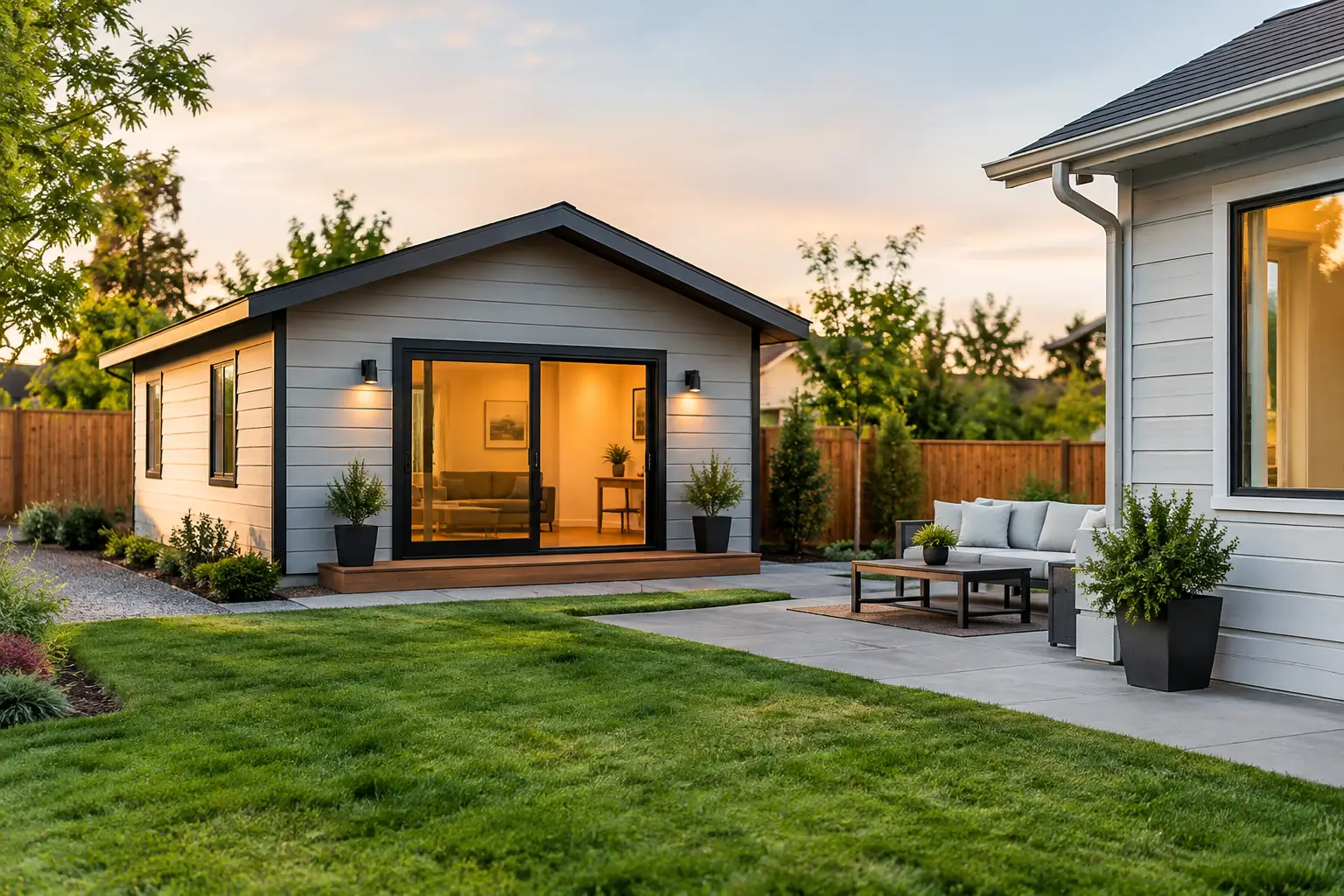
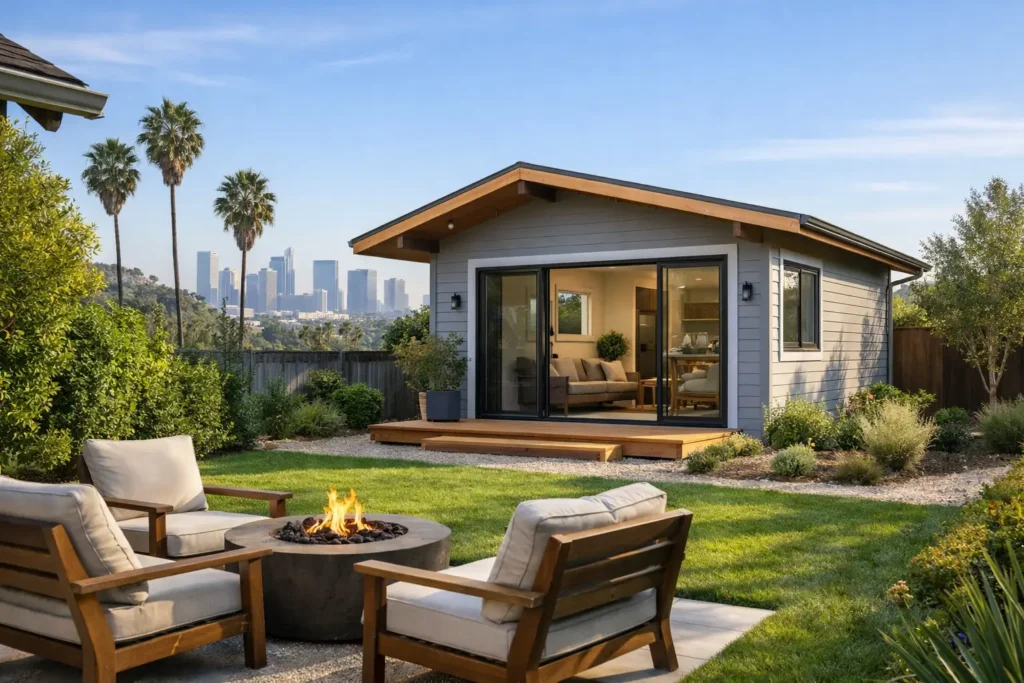
A detached accessory dwelling unit can solve a space problem without changing the way your main home functions. For many local property owners, the biggest detached ADU benefits are privacy, flexibility, and the chance to make better use of land they already own. A well-built backyard home can serve your family now and adapt to a different need later.
Unlike an attached addition, a detached ADU stands on its own. It may be a compact cottage, a backyard apartment, or a converted structure that meets local requirements for an independent living space. The right design depends on your lot, budget, goals, and the rules that apply to your neighborhood.
Detached ADU Benefits That Go Beyond Extra Space
A detached ADU gives people room to live independently while staying close to the people they care about. That distinction matters. A guest bedroom can offer a place to sleep, but a properly planned ADU can include a private entrance, kitchen, bathroom, storage, and living area.
For families, this can create a comfortable home for aging parents, adult children returning home, or long-term guests. Everyone has more breathing room. Family members can share meals and support one another without giving up day-to-day privacy.
For property owners, an ADU can also create a separate space for a tenant. Rental income can help offset construction costs, support household expenses, or give the property more long-term flexibility. The best rental strategy depends on your local regulations, insurance, financing, and how much involvement you want as a landlord. Some owners prefer a long-term tenant. Others keep the unit available for family and occasional guests.
There is also a practical lifestyle benefit. A detached ADU can become a home office, art studio, workout room, or quiet retreat when it is not being used as housing. Building it with residential-grade finishes and smart utility planning gives you more options than a basic shed or unfinished outbuilding.
Privacy Makes a Detached ADU Different
The separation between the main house and the ADU is one of its strongest advantages. A detached layout can reduce noise transfer and create clearer boundaries for both households. This is especially valuable on multigenerational properties, where family members want to be nearby but still want their own routines.
A thoughtful site plan can make that privacy feel intentional. Window placement, walkways, fencing, landscaping, exterior lighting, and the direction of entrances all affect how the two homes relate to each other. The goal is not simply to fit another structure onto the lot. It is to make both spaces feel comfortable and useful.
In Los Angeles, where lots can vary widely from neighborhood to neighborhood, careful placement is essential. A contractor should look at access, existing structures, drainage, utility connections, setbacks, and the usable outdoor area before recommending a size or layout. The most attractive floor plan on paper is not the right choice if it creates costly site issues or makes the yard feel crowded.
A Flexible Investment in Your Property
A detached ADU is not a guaranteed shortcut to higher property value. Market conditions, neighborhood demand, build quality, permit status, and the layout of the main home all play a role. Still, an additional legal living space can make a property more useful and appealing to future buyers who need room for family, guests, or rental income.
Flexibility is often more valuable than owners expect. A household’s needs can change quickly. A couple may build an ADU for a parent, then later use it for a college-age child. A family may rent the unit for several years and eventually convert it into a private workspace or guest suite. The structure remains useful because it was designed as a real home, not as a temporary workaround.
Quality construction matters here. Durable materials, reliable plumbing and electrical work, efficient insulation, proper ventilation, and well-planned storage affect how the ADU performs over time. Cutting corners can lead to repair costs, tenant complaints, and a space that feels disconnected from the rest of the property.
Better Control Than Moving or Building an Addition
When a home feels too small, moving is not always the best answer. Buying another home can bring higher interest costs, transaction fees, a new commute, and the stress of leaving a neighborhood you already enjoy. A detached ADU lets you add usable square footage while keeping the main house largely intact.
Compared with a traditional home addition, a detached unit can also limit disruption inside the main residence. Construction will still affect the yard, driveway access, and daily routine, but your kitchen, bedrooms, and living room may remain more usable during the project. That can be a major benefit for homeowners who need to stay in place while work is underway.
There are trade-offs. A detached ADU typically requires its own foundation work, utility planning, exterior finishes, and site improvements. Depending on conditions, those needs can make the project more complex than an interior conversion. The right path comes down to the property and your priorities, not a one-size-fits-all answer.
Plan the Project Before You Fall in Love With a Layout
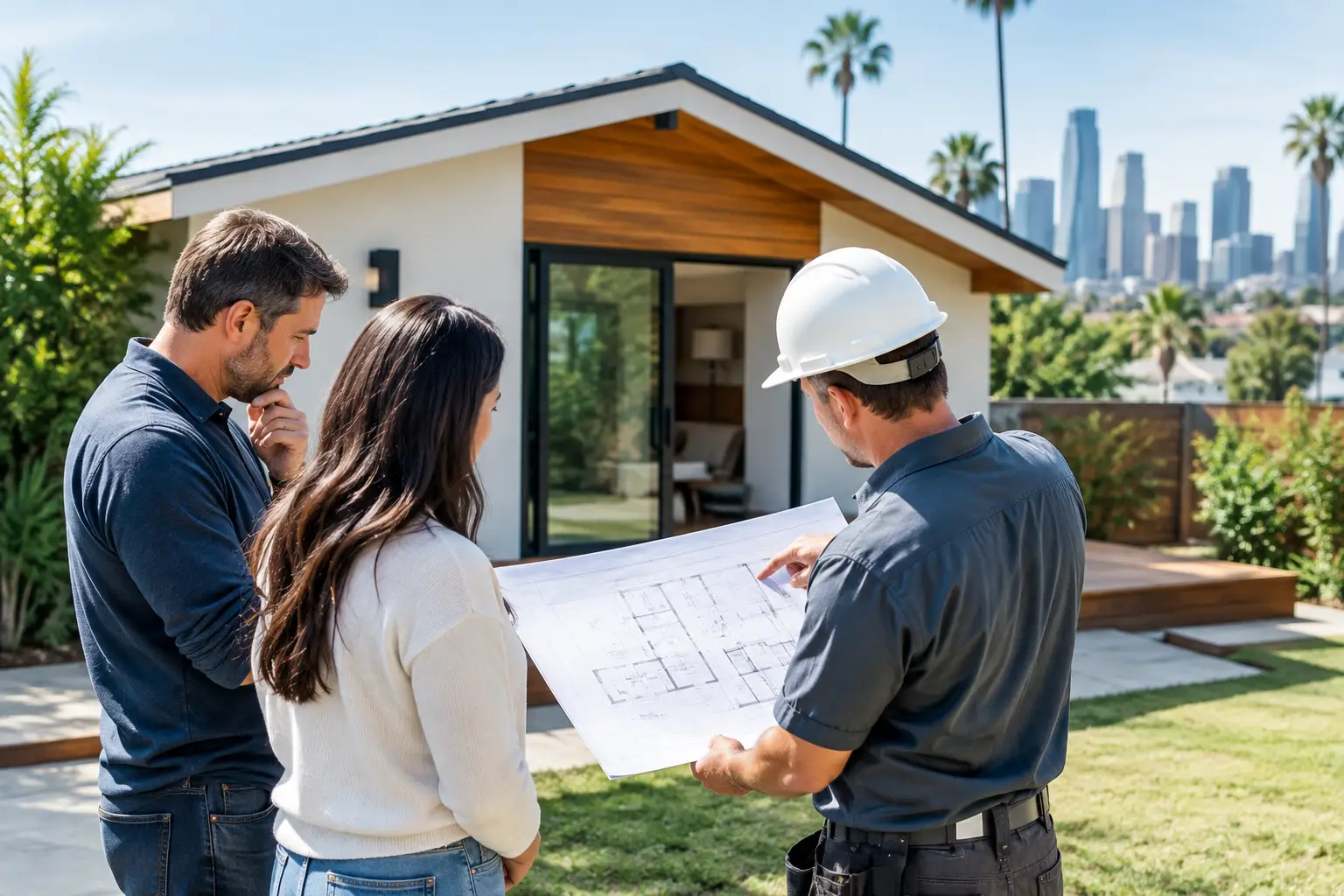
A successful ADU starts with an honest feasibility review. Before selecting finishes or drawing up a dream kitchen, determine what your property can support. Local zoning rules, building codes, fire access requirements, utility capacity, sewer connections, easements, and soil conditions can all shape the final plan.
Budgeting should include more than the building itself. Site preparation, permits, design, engineering, utility connections, grading, drainage, landscaping restoration, and contingency funds all deserve attention. Transparent pricing early in the process helps prevent the surprises that make construction projects stressful.
It also helps to think ahead about who will live in the space. An ADU for an older parent may need wider circulation, a step-free entrance, slip-resistant flooring, and a walk-in shower. A rental unit may benefit from durable finishes, separate outdoor space, and sound-conscious design. A unit intended for a young adult may need more storage and a functional work area. Small decisions at the planning stage can have a big impact on everyday comfort.
Choosing the Right Team for a Detached ADU
An ADU project involves many moving parts. The contractor must coordinate the work from early planning through the final details, while keeping you informed about the schedule, budget, and decisions ahead. Clear communication is just as important as craftsmanship.
Look for a team that asks practical questions about your property rather than promising an instant answer. You should understand what is included in the scope of work, what approvals may be required, how changes will be handled, and what the construction timeline may look like. A dependable contractor will be direct about constraints and focused on solutions that fit your goals.
A detached ADU can give your property more room to support real life, whether that means family independence, rental flexibility, or a place that changes with you over time. If you are considering an ADU in Los Angeles, contact Greenwood Contractors for a free estimate and a clear conversation about what your property can become.