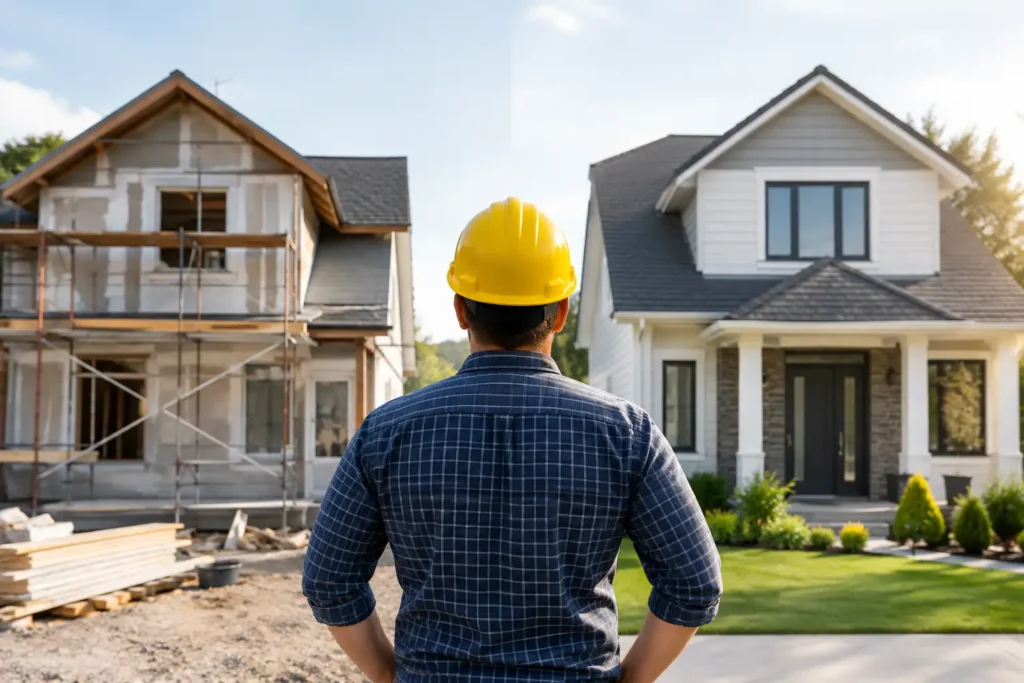
A house can reach a point where another repair feels like putting a bandage on a bigger problem. When homeowners weigh remodel versus rebuilding, the real question is not simply which option costs less. It is which investment gives your family a safer, more functional home without creating avoidable stress down the road.
A thoughtful remodel can transform the way you live in your home. Rebuilding can give you a clean slate when the structure, layout, or systems no longer make sense to save. Both can be smart choices. The right answer depends on the condition of the home, your goals, local rules, and how long you plan to stay.
Remodel Versus Rebuilding: Start With the Home’s Condition
The first step is an honest assessment of what is behind the walls, under the floors, and above the ceiling. Cosmetic issues are usually good candidates for remodeling. Dated cabinets, worn flooring, cramped bathrooms, and an inefficient kitchen layout can often be corrected without starting over.
The decision becomes more complicated when a home has major structural damage, recurring water intrusion, foundation movement, extensive termite damage, or outdated electrical and plumbing throughout. These problems do not automatically mean you should rebuild. However, they can turn a simple renovation into a major construction project with a growing budget.
A professional inspection and contractor walkthrough are worth the time. They help separate visible concerns from expensive hidden ones. For example, a kitchen may appear ready for a straightforward upgrade, but opening the walls could reveal old wiring, damaged framing, or plumbing that needs full replacement.
If the core structure is sound, remodeling may preserve valuable parts of the home while improving comfort and function. If the home needs extensive repairs in several areas at once, rebuilding may offer more certainty and a better long-term result.
When Remodeling Makes More Sense
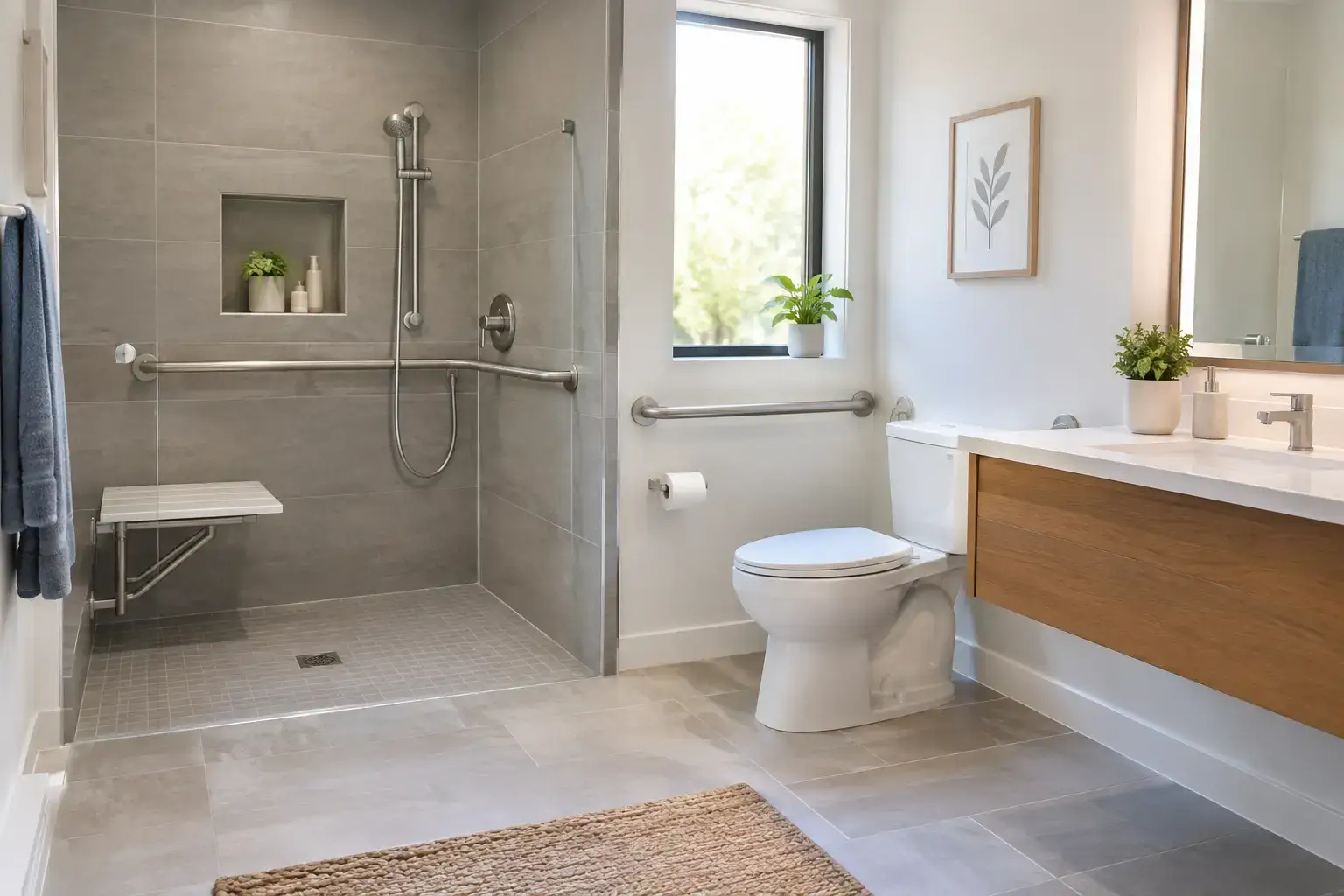
Remodeling is often the better path when you like your home’s location, its basic footprint works for your household, and the needed improvements are contained to specific areas. A kitchen remodel, bathroom renovation, room addition, garage conversion, basement finish, or new deck can make a familiar home feel completely different.
It can also be the practical choice when your budget does not support a ground-up build. Rather than taking on every improvement at once, you may be able to phase the work. Start with urgent repairs, then update the rooms that affect daily life most.
Remodeling can preserve details that make an older home special. Original hardwood floors, a brick fireplace, built-in storage, or established landscaping may be worth protecting. For many homeowners, keeping those elements while modernizing the rest of the property is the ideal balance.
Still, a remodel has limits. It is harder to change major load-bearing walls, ceiling heights, rooflines, and awkward room relationships without increasing cost. The more you alter the original structure, the closer the project moves toward rebuild-level complexity.
Signs a Remodel Is a Strong Fit
A remodel is usually worth serious consideration if the foundation and framing are in good condition, the home needs targeted updates, and the layout can be improved without major structural changes. It is also a good fit if you want to remain in the neighborhood and your property has enough room for an addition or accessory dwelling unit.
For Los Angeles homeowners, remodeling can be especially appealing in established neighborhoods where location, lot size, and proximity to work or family are hard to replace. Improving the home you already own may be more practical than moving or tearing down a structure with solid bones.
When Rebuilding Is the Better Investment
Rebuilding can make sense when repairs would be so extensive that you are effectively constructing a new house inside an old shell. If structural problems, obsolete systems, poor layout, and repeated water damage are all present, a full rebuild may be easier to plan and more cost-effective over time.
A rebuild gives you greater control. You can design room sizes, storage, natural light, accessibility, insulation, energy performance, and mechanical systems around the way your household lives now. Instead of compromising around old walls and outdated infrastructure, you can create a home built for your current needs.
This approach is often attractive for growing families, multigenerational households, and owners planning to stay for many years. It can also make sense for a property with a small, poorly designed house on a valuable lot. The land may have more potential than the existing structure.
Rebuilding does require patience. Demolition, design, engineering, permits, utility coordination, and construction take time. You will likely need temporary housing during the work, and unexpected site conditions can still arise. A clear plan, realistic budget, and experienced contractor are essential.
A Rebuild Is Not Always a Luxury Choice
Many people assume rebuilding is only for high-end custom homes. In reality, it can be a practical response to a house that no longer performs. When renovation costs begin approaching the price of a new build, it is reasonable to compare both options side by side.
The key is not choosing the biggest project. It is choosing the project that solves the full problem. A well-planned rebuild should improve safety, comfort, durability, and long-term ownership costs, not simply add square footage.
Compare the Full Cost, Not Just the First Estimate
The remodel-versus-rebuilding decision often comes down to money, but the lowest initial quote is not always the least expensive path. Remodeling can cost less upfront because it keeps some existing structure in place. Yet hidden conditions can add expense after demolition begins.
Rebuilding may have a higher starting price, but it can reduce uncertainty once the design and scope are fully defined. New construction also allows you to install modern insulation, windows, HVAC, plumbing, electrical, and roofing as one coordinated system. That can lower maintenance needs and improve efficiency over time.
When comparing estimates, look beyond the construction number. Consider temporary housing, permit fees, architectural and engineering costs, utility upgrades, demolition, landscaping, and the value of time. Ask what is included, what allowances are being used, and what conditions could change the price.
A reliable contractor should explain the scope in plain language. You should understand where your money is going before construction starts. Transparent pricing does not mean there will never be surprises. It means you know how potential changes will be handled if they arise.
Think About Your Timeline and Daily Life
Construction affects daily routines. A bathroom remodel may be disruptive but manageable. A major kitchen renovation can require a temporary cooking setup for weeks or months. A full-house remodel may require moving out, especially when plumbing, electrical, flooring, and structural work overlap.
Rebuilding almost always requires temporary housing. In exchange, the work is generally more organized around a complete plan rather than a series of compromises with an existing structure. That can make the construction process easier to manage, even if the overall timeline is longer.
Your timing matters, too. If you need more space quickly, an addition or garage conversion may solve the immediate problem faster than a full rebuild. If you are planning for the next 15 or 20 years, a rebuild may provide a more lasting solution.
Permits, Zoning, and What the Property Allows
Before committing to either option, confirm what your property allows. Local zoning rules can affect height, setbacks, lot coverage, parking, accessory dwelling units, and how much square footage you can add. Older homes may also have requirements related to historic status, environmental conditions, or nonconforming structures.
A remodel can trigger code upgrades, particularly when walls are opened or systems are replaced. A rebuild may face different rules for setbacks, size, and placement than the original home. This is why early planning matters. The home you want to build must be feasible on the lot you own.
An experienced general contractor can help you understand the construction scope and coordinate the right professionals for design, engineering, and permitting. Clear planning early on helps prevent costly changes later.
Choose the Option That Solves the Real Problem
Do not remodel just because rebuilding sounds overwhelming. Do not rebuild just because a renovation feels inconvenient. Start with what is not working: lack of space, unsafe systems, recurring repairs, a poor layout, or a home that no longer fits your family.
Then consider the home’s condition, the value of the location, your budget, and your long-term plans. A targeted remodel can give you meaningful change without unnecessary work. A rebuild can create a durable, efficient home without the limitations of an aging structure.
The best project is the one that gives you confidence every time you walk through the front door. Contact Greenwood Contractors today for a free estimate and practical guidance on the right path for your home.