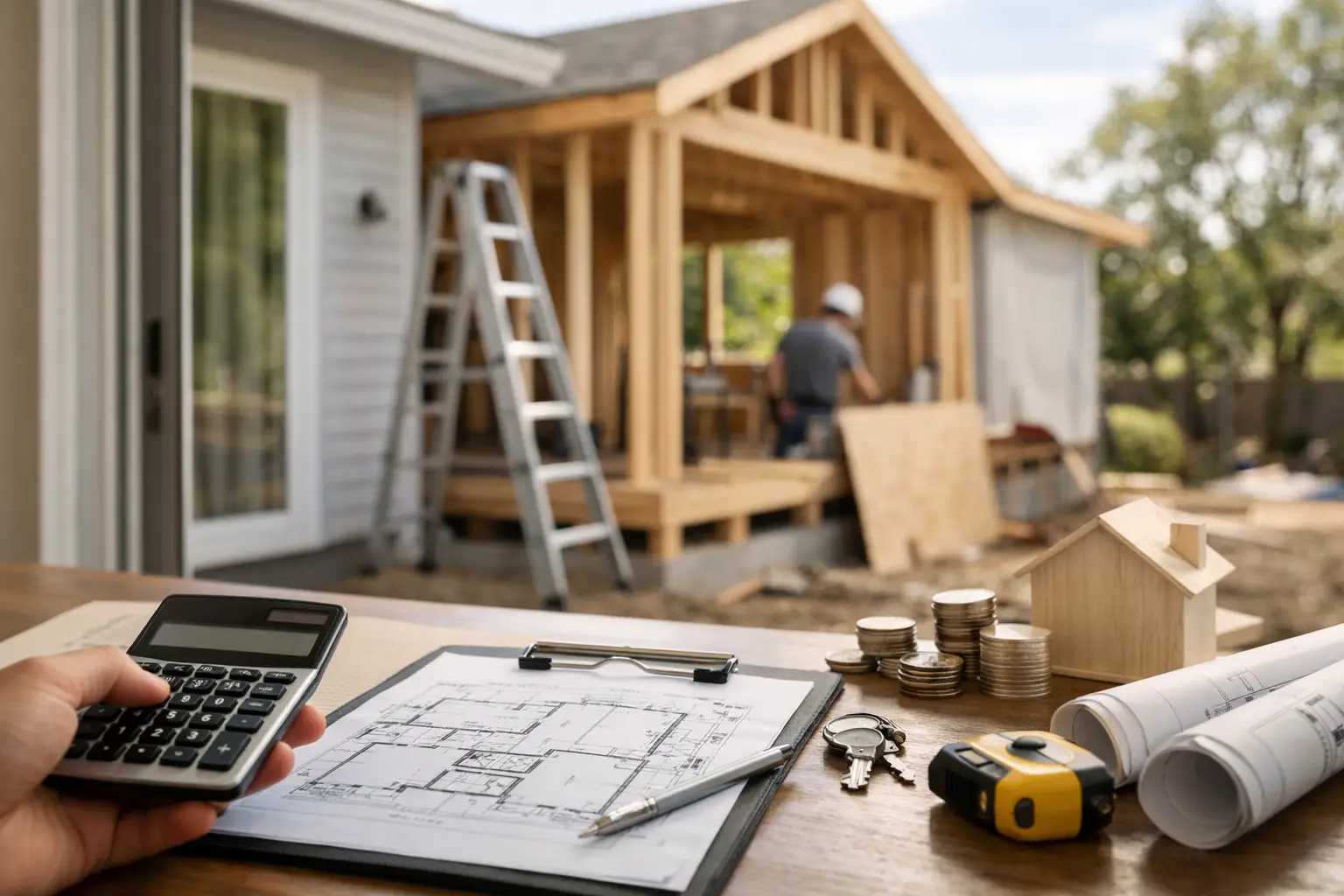

The guest room is now an office. The dining table has become a homework station. Storage is spilling into the garage. When a home stops fitting the people who live in it, the question is rarely simple. A room addition versus moving decision affects your budget, routine, future plans, and the place you call home.
For many homeowners, neither choice is automatically better. Moving can provide a fresh start and a different neighborhood. An addition can give you the space you need without giving up a home, school district, or community you already love. The right answer comes from looking beyond square footage and comparing the full cost of each path.
Start With the Real Problem You Need to Solve
Before pricing an addition or browsing listings, get specific about what is not working. A growing family may need two bedrooms and another bathroom. A remote worker may only need a quiet office with a door. An aging parent may need a first-floor suite. Those needs call for very different solutions.
Sometimes homeowners assume they need to move because the house feels crowded. But a well-planned addition, garage conversion, basement finish, or interior remodel may solve the problem with less disruption. In other cases, the issue is not the home itself. A long commute, lack of yard space, poor school fit, or neighborhood change may make moving the more practical choice.
Ask yourself whether you would stay in your current location if the house had the right layout and enough room. If the answer is yes, an addition deserves serious consideration.
What a Room Addition Can Give You
A room addition lets you shape space around how your family actually lives. You can create a primary suite, expand a kitchen, add a family room, build a home office, or make room for multigenerational living. Unlike buying another house, you are not settling for someone else’s floor plan.
It also allows you to keep the benefits that are hard to put on a spreadsheet. Maybe your children are settled in school. Maybe you know your neighbors, enjoy your yard, or live close to family. Staying put preserves those connections while giving the home a better fit.
An addition can also add long-term value when it is designed well and built to match the property. Functional living area, an added bathroom, and a more appealing layout can make a home more attractive to future buyers. However, resale value should support your decision, not control it. Few projects return every dollar spent immediately, especially if the design is highly customized.
The strongest additions improve daily life first. Added value is a welcome second benefit.
The Costs Beyond Construction
A quality addition involves more than framing and finishes. Your budget may include design work, engineering, permits, utility changes, foundation work, roofing connections, and landscaping repairs after construction. The final cost depends on the size of the addition, site conditions, structural needs, local requirements, and the level of finishes you choose.
In Los Angeles, permitting, zoning rules, and lot limitations can have a major effect on project scope and timing. A dependable contractor can review the property, explain likely requirements, and help you avoid planning a space that cannot be approved or built as expected.
Construction also takes patience. Depending on complexity, your family may live around noise, dust, temporary access changes, and workers on site. Good project management helps reduce the stress, but an addition is still an active construction project. If your household cannot comfortably handle that disruption right now, moving may feel easier.
What Moving Really Costs
Moving may look straightforward: sell the current house, buy a larger one, and settle in. Yet the purchase price is only part of the financial picture. Selling costs, agent commissions, inspections, repairs requested by buyers, moving services, closing costs, lender fees, and new furniture can add up quickly.
Your mortgage also matters. Homeowners who secured a favorable interest rate may face a significantly higher monthly payment after buying a larger home. Property taxes, insurance, homeowners association fees, and maintenance costs can change as well. A larger house may solve the space issue while creating a monthly budget that feels tighter than expected.
Then there is the cost of compromise. A new home may have more bedrooms but need a kitchen remodel. It may have a bigger yard but a longer drive. It may be in the right price range but farther from friends, work, or the services your family uses every week.
Moving is often the right call when your current lot cannot support an addition, the home needs too many major repairs, or your location no longer serves your needs. It can also make sense when the cost of creating the required space is close to the cost of buying a home that already has it.
Room Addition Versus Moving: Compare the Numbers Honestly
The clearest way to compare options is to build two complete budgets. Do not compare an addition estimate only against the price of a home listing. Compare the full financial impact over the next several years.
For an addition, include the expected project cost, design and permit expenses, temporary living adjustments if needed, and a reasonable contingency for unforeseen conditions. Also consider whether the project may change taxes or insurance.
For moving, include your likely sale proceeds, remaining mortgage balance, costs to prepare and sell the home, down payment, closing costs, moving expenses, and expected monthly payment at current loan terms. Add the likely cost of repairs or renovations at the new house.
This exercise is not about finding a perfect number. Construction and real estate both involve variables. It is about replacing assumptions with a realistic range so you can see which option protects your finances and supports your goals.
A contractor should be transparent about what is included in an estimate and what could affect the final price. Clear communication early helps prevent unpleasant surprises later.
Think About Your Timeline, Not Just Your Budget
A move can take months. You may need to prepare your house for sale, wait for the right buyer, search for a new property, compete with other buyers, and coordinate closing dates. Even after moving, repairs and updates often follow.
An addition also requires planning. Design, permits, material lead times, and construction all take time. But you are working toward a known goal on a property you already own. For homeowners who need space but want to avoid a competitive buying process, that can be a meaningful advantage.
Consider how long you expect to stay. If you plan to remain in the home for many years, an addition may deliver strong lifestyle value over time. If a job transfer, retirement plan, or major location change is likely soon, moving may be more sensible than investing heavily in a home you expect to leave.
Look at the Property Before You Commit
Not every home is a good candidate for expansion. Lot size, setbacks, zoning, existing utilities, slope, foundation conditions, and access for construction all matter. A second-story addition can preserve yard space, but it may require significant structural work. A ground-floor addition can be more convenient for aging in place, but it needs enough usable land.
This is where professional guidance is valuable. An experienced contractor can assess how the home is built, identify practical options, and explain the trade-offs in plain language. You may find that a smaller addition paired with a thoughtful remodel solves the problem more efficiently than building the largest possible space.
For example, opening a cramped kitchen to an existing family room, adding a compact office, and improving storage may transform daily life without requiring a full house expansion. The best solution is not always the biggest one. It is the one that works well, fits the property, and respects your budget.
Make the Choice That Supports Your Life
Choose an addition when you love your location, have enough equity or financing capacity, and can create the space you need within your property and budget. Choose moving when the location no longer works, the home cannot reasonably be adapted, or a different property better serves your long-term plans.
Either way, take your time with the decision. Your home should support the way you live now and give you confidence about the years ahead. A clear plan, realistic budget, and honest advice can make a high-stakes choice feel much more manageable.
If you are weighing an addition, conversion, or major remodel in the Los Angeles area, contact Greenwood Contractors for a free estimate. We will listen to your goals, assess your home, and help you make a practical plan built around quality craftsmanship and clear communication.