The decision often comes down to one real-life moment: Are you stepping into the bathroom for a quick shower before work, bathing young children, or hoping to stay safely in your home for years to come? A tub versus walk in shower decision changes how your bathroom looks, functions, and serves your household every day. There is no one right answer. The best choice depends on your space, routines, budget, and long-term plans.
A bathroom remodel is also a chance to fix what is not working. Maybe the existing tub has a tall wall that feels difficult to step over. Maybe a small shower makes the room feel closed in. A smart plan looks beyond trends and focuses on what will make your home more comfortable.
Tub Versus Walk In Shower: Start With Daily Use
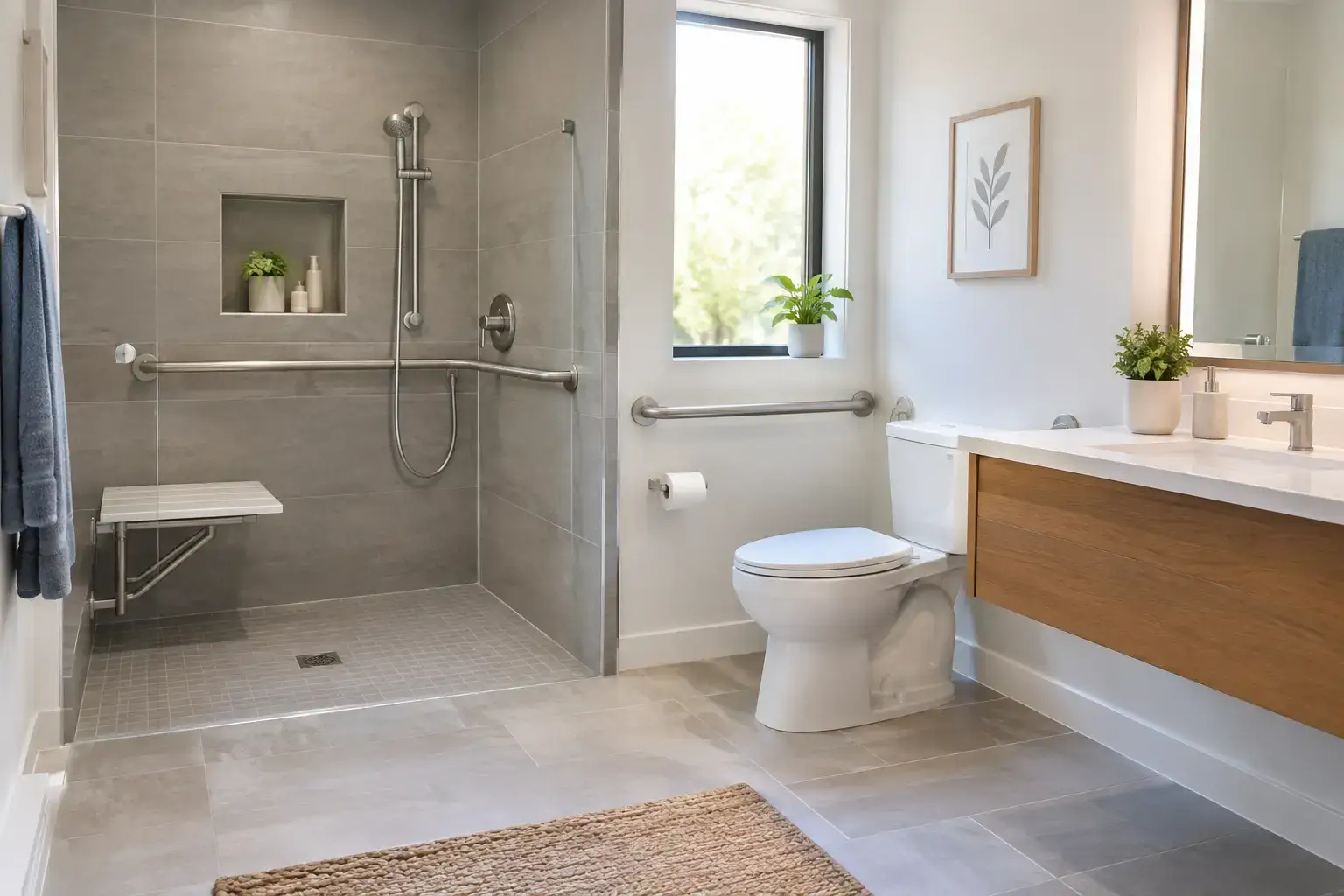
Think about who uses the bathroom now and who may use it later. A walk-in shower is usually the practical choice for adults who shower daily and want easier access. With a low or curbless entry, it reduces the high step required to get into a traditional tub. It can be especially helpful for older adults, people with mobility concerns, and anyone planning to age in place.
Walk-in showers also make a bathroom feel more open. A glass enclosure, clean tile lines, and a properly placed drain can create a bright, modern look without making the room feel crowded. In many Los Angeles homes, where bathrooms can be compact, that visual space matters.
A tub still earns its place in many homes. Families with babies or young children often find a bathtub far more convenient. Some homeowners simply enjoy soaking after a long day. If that describes your household, removing every tub may create regret later.
The key question is simple: Will this bathroom be used for bathing, or mostly for showering? Your honest answer should guide the design.
When a Walk-In Shower Makes More Sense
A walk-in shower is not just a style upgrade. It can solve several common bathroom problems at once. If your current tub enclosure is dark, cramped, hard to clean, or unsafe to enter, replacing it with a well-designed shower can improve the whole room.
A larger shower footprint gives you more flexibility. You may be able to add a built-in bench, recessed storage niches, a handheld showerhead, or a rainfall fixture. These details are useful, not just decorative. A bench gives you a place to sit while shaving or helps a family member who needs extra support. Niches keep bottles off the floor and away from narrow ledges.
A curbless shower can be an excellent long-term investment, but it needs careful planning. The floor must be properly sloped toward the drain, waterproofed behind the walls and under the tile, and built to prevent leaks. This is not an area to cut corners. Quality installation matters as much as the tile you choose.
Walk-in showers are often easier to clean than traditional tub-shower combinations, especially when designed with large-format tile, fewer grout lines, and accessible glass. Keep in mind that clear glass still needs regular wiping to reduce water spots. A shower without a door may reduce cleaning, but it requires enough space and smart fixture placement to keep water where it belongs.
When Keeping a Tub Is the Better Choice
Keeping at least one bathtub is often a wise move for a family home. Buyers with young children frequently look for a tub, and many homeowners want the option even if they do not use it every day. This does not mean every bathroom needs one. It means the home should have a practical bathing option if your household or future buyers are likely to value it.
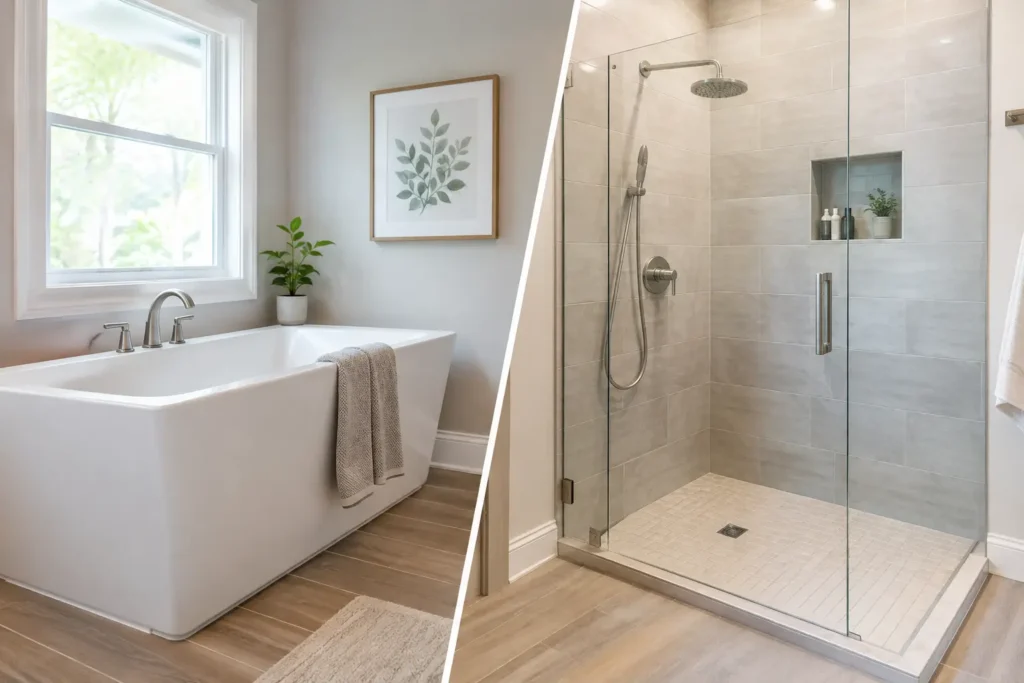
A tub can also work beautifully in a primary bathroom when the layout allows it. A freestanding soaking tub can create a relaxing focal point, while a separate shower handles everyday use. This setup delivers the best of both worlds, but it requires square footage and a budget that can support it.
In a smaller bathroom, a tub-shower combination may be the most efficient choice. It provides both functions in one footprint and typically costs less than moving plumbing to create a separate shower. The design does not have to feel dated. Modern tile, good lighting, a quality shower valve, and a clean glass panel can make a tub-shower combo feel fresh and polished.
Consider Resale Value Without Designing for Everyone Else
Resale value matters, but it should not control every remodeling decision. If you plan to stay in your home for many years, your comfort should carry real weight. Removing an unused tub to create a safer, more spacious shower can be the right investment for your lifestyle.
That said, homes generally benefit from retaining at least one bathtub when possible. This is particularly true in family-oriented neighborhoods and homes with multiple bedrooms. If you have two or more bathrooms, a common approach is to keep a tub in one bathroom and install a walk-in shower in the primary bath or another frequently used space.
If you only have one bathroom, the decision deserves more thought. Replacing the only tub can limit appeal for some future buyers. It may still be worth it if accessibility or daily comfort is the bigger priority, but it is a trade-off to discuss before demolition begins.
Budget Is About More Than the Fixture
A basic tub replacement can cost less than building a custom walk-in shower, but the final price depends on what is behind the walls. Plumbing changes, water damage repairs, electrical upgrades, new ventilation, tile selection, glass, and waterproofing all affect the project scope.
A walk-in shower may require moving the drain, adjusting the framing, or rebuilding part of the floor to create the correct slope. Custom glass and tile work also add to the investment. On the other hand, converting an existing tub alcove into a shower without moving major plumbing can be a cost-effective way to update the room.
A transparent estimate should explain what is included and what conditions could affect the final cost. Old bathrooms sometimes reveal hidden issues such as mold, damaged subflooring, outdated plumbing, or poor ventilation. Addressing these items is not glamorous, but it protects your investment and helps prevent bigger repairs later.
Design Details That Make Either Choice Work Better
Whether you choose a tub or shower, a few decisions have an outsized impact on comfort and durability. Good lighting makes grooming easier and shows off the finished space. A properly sized exhaust fan helps control moisture. Slip-resistant flooring improves safety without sacrificing style.
Storage deserves early attention too. A vanity with useful drawers, recessed shower niches, and medicine cabinets can reduce countertop clutter. For showers, choose fixtures that fit the people using them. A handheld option is practical for cleaning, bathing children, and accommodating changing mobility needs.
Material selection should balance appearance with maintenance. Natural stone can be beautiful but may need more care. Porcelain tile is durable, versatile, and available in many finishes. Smaller mosaic tile can provide more grip on a shower floor, while larger tiles can give walls a cleaner, more modern look.
Make the Choice With a Real Bathroom Plan
The best tub versus walk in shower decision comes from seeing the full layout, not guessing from a showroom display. Measurements, plumbing locations, ventilation, door swings, and storage needs all shape what is possible. A contractor can help you compare options that fit your existing space and identify where a modest layout change could improve the room.
Choose the feature that supports the way you live, while protecting the value and function of your home. If you are planning a bathroom remodel, contact Greenwood Contractors for a free estimate and practical guidance from a team that puts quality craftsmanship, clear communication, and your comfort first.