A shower can look freshly remodeled on the surface while moisture is quietly damaging the wall behind it. That is why waterproof shower walls deserve more attention than color, tile pattern, or trendy fixtures. The right wall system protects your framing, helps prevent mold, and makes everyday cleaning much easier.
For homeowners planning a bathroom remodel, the best choice depends on the shower layout, the condition of the existing walls, your budget, and how much maintenance you want over time. A dependable installation matters just as much as the material itself.
What Makes a Shower Wall Truly Waterproof?
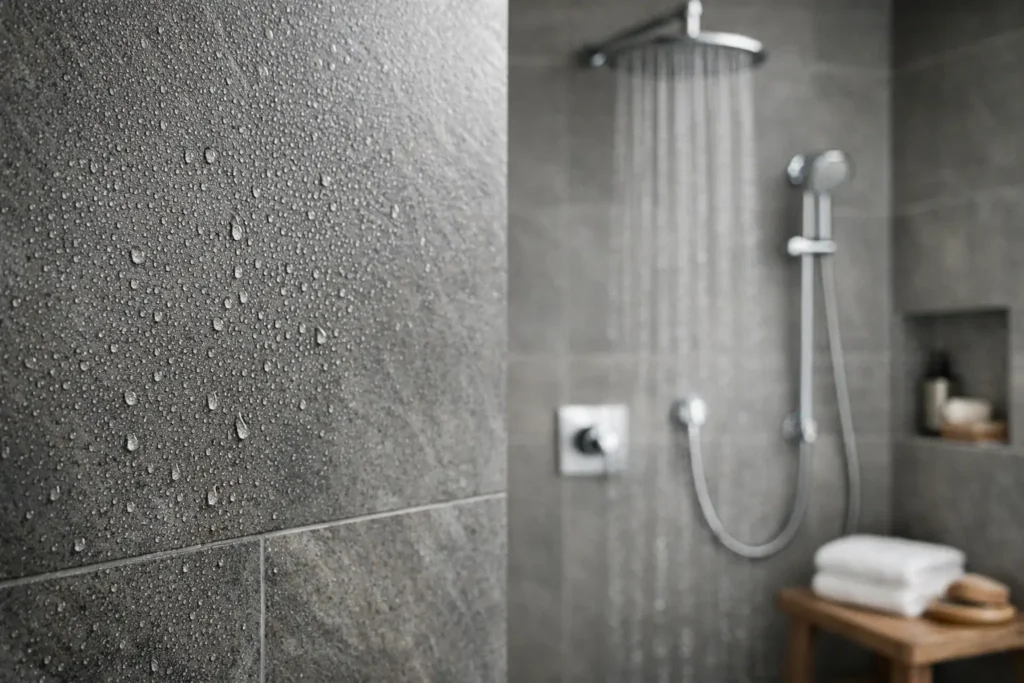
A waterproof shower wall is designed to stop water from reaching the studs, insulation, and drywall behind the finished surface. This is different from a surface that simply resists water. Ceramic and porcelain tile, for example, can handle water well, but grout joints and penetrations around fixtures still need a proper waterproofing system behind them.
A well-built shower assembly includes more than attractive wall panels or tile. It needs a solid backing surface, correctly sealed seams, protected corners, and carefully waterproofed areas around valves, showerheads, niches, benches, and doors. If one of those details is missed, water can find its way into the wall.
This is where professional planning pays off. A shower is exposed to steam, splashing, cleaning products, and frequent temperature changes. Materials need to be installed with those conditions in mind, not just made to look good on day one.
Common Waterproof Shower Wall Materials
There is no single best material for every bathroom. Some homeowners want the classic look and flexibility of tile. Others want a fast, low-maintenance upgrade with fewer grout lines. Understanding the trade-offs makes the decision easier.
Tile With a Waterproof Backing System
Tile remains a popular choice because it offers nearly unlimited design options. Large-format porcelain tile can create a clean, modern shower with fewer grout joints, while smaller tile can add texture or work well on a shower floor.
However, tile itself is not the complete waterproof layer. A quality tile shower needs a waterproof membrane or board behind the tile, along with compatible sealant at seams and changes of plane. Grout is not a substitute for waterproofing.
Tile is a strong long-term choice when installed correctly. It can also be repaired in sections if damage occurs. The trade-off is cost and maintenance. Installation is more labor-intensive, and grout needs regular cleaning and periodic sealing when the product calls for it.
Acrylic and Fiberglass Panels
Acrylic and fiberglass shower surrounds are common in practical bathroom updates. They are lightweight, easy to clean, and generally less expensive than a custom tile installation. Many systems use large panels, which means fewer seams for water and grime to collect.
These walls work especially well for straightforward shower or tub-shower layouts. They are a good fit for homeowners who want a clean result on a tighter schedule. Quality varies, though. Lower-grade units may flex, scratch, or discolor more easily over time.
The wall must be properly supported and installed according to the manufacturer’s requirements. Even a waterproof panel can develop problems if it is poorly adhered, unsupported, or incorrectly sealed at the edges.
Solid Surface Shower Panels
Solid surface panels offer a more upscale, polished look without the maintenance demands of tile grout. They are typically nonporous and available in stone-inspired colors and patterns. Because panels can be fabricated in large sizes, they create a smooth, modern appearance with minimal seams.
This option is often a smart middle ground for homeowners who want a custom-looking shower that is easy to maintain. Solid surface materials are durable, but they usually cost more than basic acrylic surrounds. Measurements and fabrication also need to be accurate, particularly around windows, niches, and fixture openings.
PVC and Composite Wall Panels
PVC and composite panels are another low-maintenance choice. Many are designed with interlocking edges or sealed joints and can be installed over properly prepared wall surfaces. They come in a range of finishes, including marble-look and tile-look designs.
These panels can be a practical choice for a secondary bathroom, rental property, or a fast refresh. Still, the product quality and installation method matter. Not every panel is designed for direct shower use, and not every existing wall is suitable for covering without repairs.
Waterproof Shower Walls Need the Right Preparation
The most expensive material will not fix a weak wall assembly. Before new shower walls go in, the existing space should be checked for soft drywall, mold, damaged framing, loose plumbing, and signs of a past leak.
If a shower has been leaking, covering the old walls is rarely the right answer. The damaged material needs to be removed so the source of the problem can be addressed. This may include replacing wet insulation, repairing framing, correcting plumbing connections, or improving ventilation.
The wall surface also needs to be flat and stable. Tile requires a properly prepared substrate to avoid uneven lines, cracked grout, and loose tiles. Panel systems need clean, sound surfaces and the correct adhesive or fastening method. Good prep work is not glamorous, but it is what protects the finished bathroom.
Details That Often Cause Shower Leaks
Most shower failures happen at transitions, not in the middle of a wall. Corners, seams, plumbing openings, shower niches, and the connection between the wall and shower pan all require special attention.
A recessed niche is a useful feature, but it must be waterproofed on every side before tile or panels are installed. The same applies to benches and half walls. These features create more horizontal surfaces where water can sit, so they need proper slope and sealing.
The shower pan and wall system must also work together. Water should be directed back into the shower, not behind the pan or into the framing. This is one reason it helps to choose the wall material and shower base as part of one complete plan rather than as separate purchases.
How to Choose the Best Option for Your Bathroom
Start with how you use the room. A busy family bathroom may benefit from large solid surface panels or acrylic walls that are quick to wipe down. A primary bathroom may be worth the added investment in a custom waterproofed tile shower, especially when design flexibility matters.
Then consider the existing layout. Keeping the shower footprint and plumbing locations in place can reduce labor and help keep the project on budget. Moving drains, enlarging the shower, adding a bench, or installing a niche can add value and comfort, but it also adds waterproofing details that must be handled correctly.
Finally, think beyond the initial price. A low-cost surround can make sense for some projects. But if you plan to stay in the home for many years, a durable material and a properly built waterproofing system may offer better value by reducing maintenance and avoiding expensive water damage repairs later.
Care That Helps Shower Walls Last
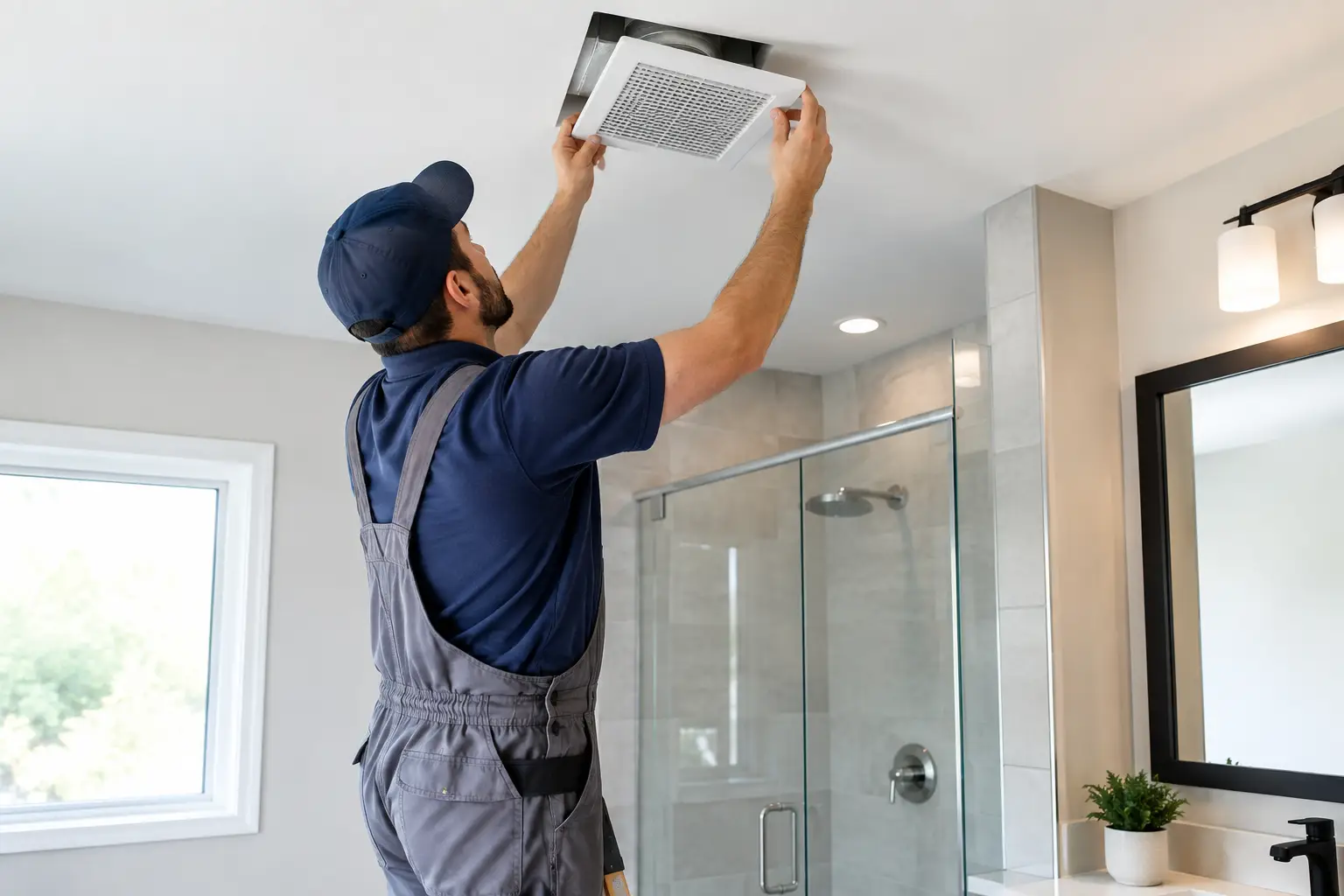
Even the best waterproof shower walls need basic care. Use a squeegee or soft cloth after showers when possible, especially on glass and smooth panels. Run the bathroom exhaust fan during bathing and for a while afterward to reduce moisture buildup.
Avoid abrasive scrubbers and harsh cleaners that can dull panels, damage sealant, or wear down grout. Check caulk lines around fixtures, corners, and the shower base every few months. Cracked, loose, or discolored sealant should be repaired promptly before water gets behind the finish.
A shower should feel like the easiest room in the house to maintain, not a source of hidden worry. Greenwood Contractors can help you choose and install a shower wall system that fits your home, style, and budget. Contact us today for a free estimate.