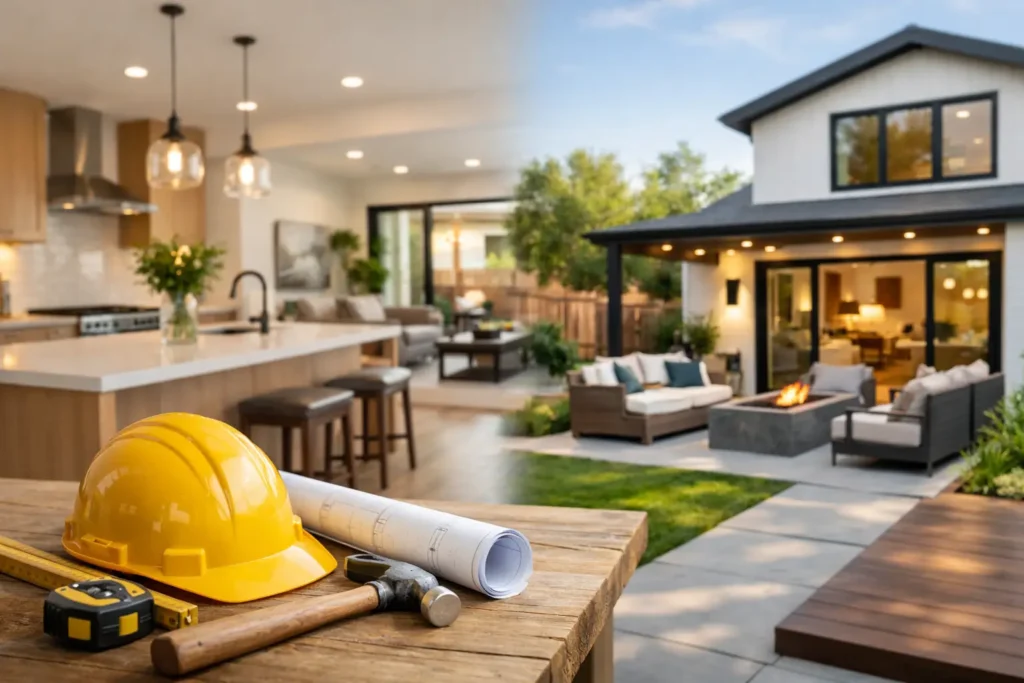
A cramped kitchen, an unused garage, or a bathroom that never quite works can make a good home feel like the wrong one. The most worthwhile home renovation trends are not about copying a showroom. They are about making daily life easier, improving long-term value, and choosing materials that hold up under real use.
For homeowners, the best trend is the one that solves a clear problem. A growing family may need more usable space. A homeowner planning to age in place may need a safer bathroom. A property owner may want a flexible area that can serve family now and create rental potential later. Smart renovation decisions begin with those needs, then use current design ideas to support them.
Home Renovation Trends Built for Real Life
Many popular upgrades share one theme: homes need to do more without becoming harder to maintain. Homeowners are moving away from purely decorative remodels and investing in layouts, storage, durability, and energy-conscious improvements.
Flexible spaces are replacing single-purpose rooms
A dedicated formal dining room or rarely used guest room can take up valuable square footage. Homeowners are finding better ways to use those areas. A home office may include built-in storage and a daybed for guests. A finished basement can become a media room, workout area, playroom, or private suite. A garage conversion can create a studio, office, or additional living space when local requirements allow it.
The key is to avoid designing for only one moment in time. A flexible room should have enough outlets, lighting, storage, and privacy to change with your household. This may cost more upfront than a basic cosmetic refresh, but it can prevent another renovation a few years later.
Kitchens are becoming more organized and less fussy
The kitchen remains one of the strongest places to invest, but the trend is less about oversized features and more about better function. Homeowners are choosing deeper drawers, pullout pantry storage, concealed appliance garages, charging stations, and practical islands with seating.
Warm wood tones, painted cabinetry, textured tile, and natural-looking stone surfaces are also popular. These choices can add character without making the kitchen feel overly trendy. Still, material selection matters. A beautiful countertop that stains easily or a cabinet finish that shows every fingerprint may not suit a busy household.
A good kitchen remodel should start with traffic flow. Consider where groceries enter the home, where trash and recycling sit, how many people cook at once, and whether the island helps or blocks movement. The most impressive kitchen is not always the largest one. It is the one that works well every day.
Bathrooms are designed for comfort and accessibility
Bathrooms are shifting from basic utility spaces to more comfortable, durable retreats. Curbless or low-threshold showers, larger shower areas, handheld fixtures, built-in niches, and wider doorways are common requests. These features can support aging in place while also giving the room a clean, open look.
Homeowners are also choosing larger-format tile, improved ventilation, layered lighting, and storage that keeps counters clear. Floating vanities can make a smaller bathroom feel more open, while full-height cabinetry can provide a place for towels, toiletries, and cleaning supplies.
Not every bathroom needs a luxury overhaul. In some homes, replacing damaged surfaces, improving the layout, and addressing moisture issues delivers more value than adding expensive finishes. Water management should always come before style. Quality waterproofing, proper ventilation, and reliable plumbing work protect the investment behind the walls.
More Space Without Moving
Limited space is one of the biggest reasons homeowners renovate. With high moving costs and changing family needs, many people are improving the house they already own instead of searching for another one.
Additions and ADUs can create long-term options
A room addition can provide the extra bedroom, family room, primary suite, or expanded kitchen a household needs. It can also improve the overall layout by connecting disconnected areas of the home. The best addition looks and feels like it belonged there from the start.
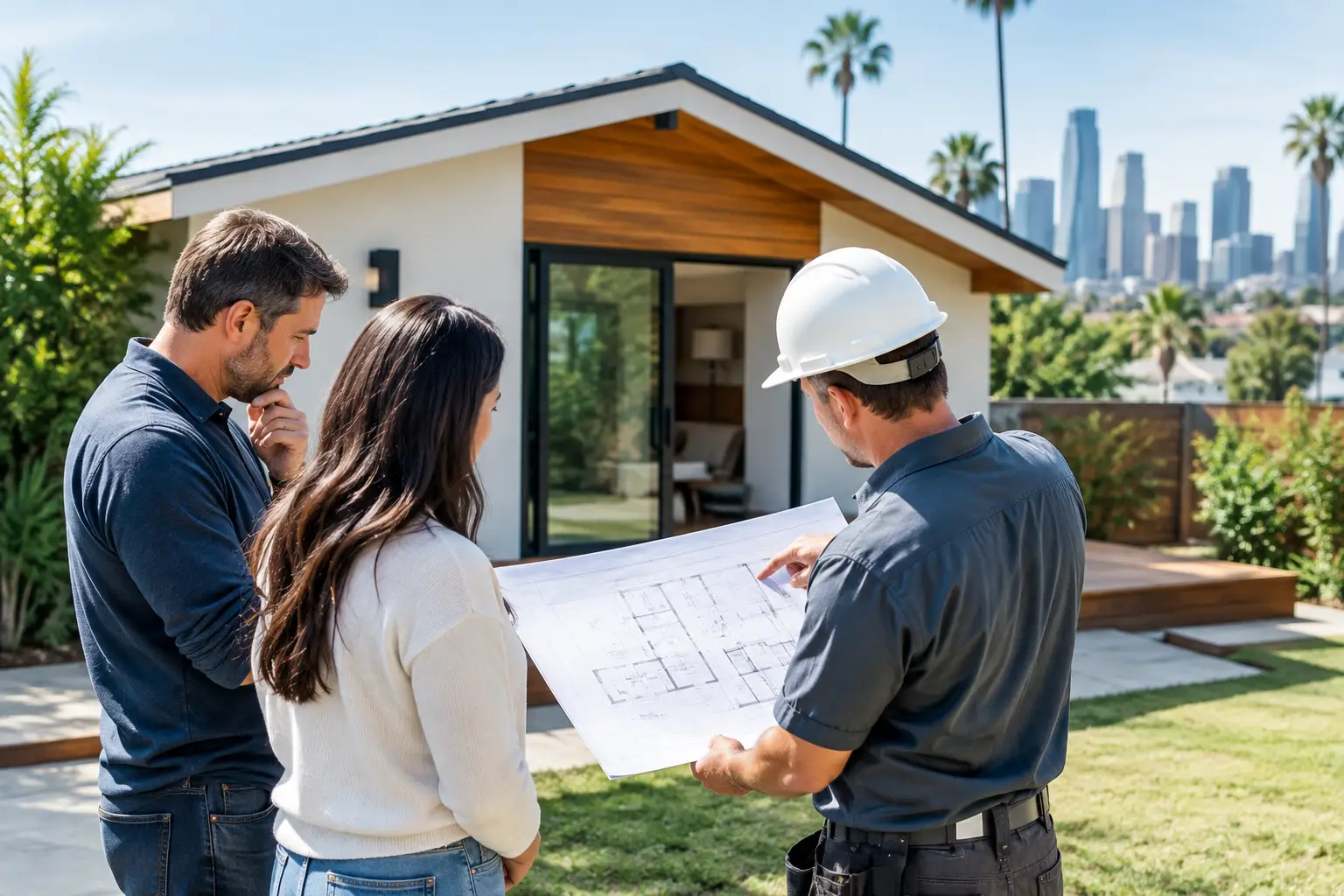
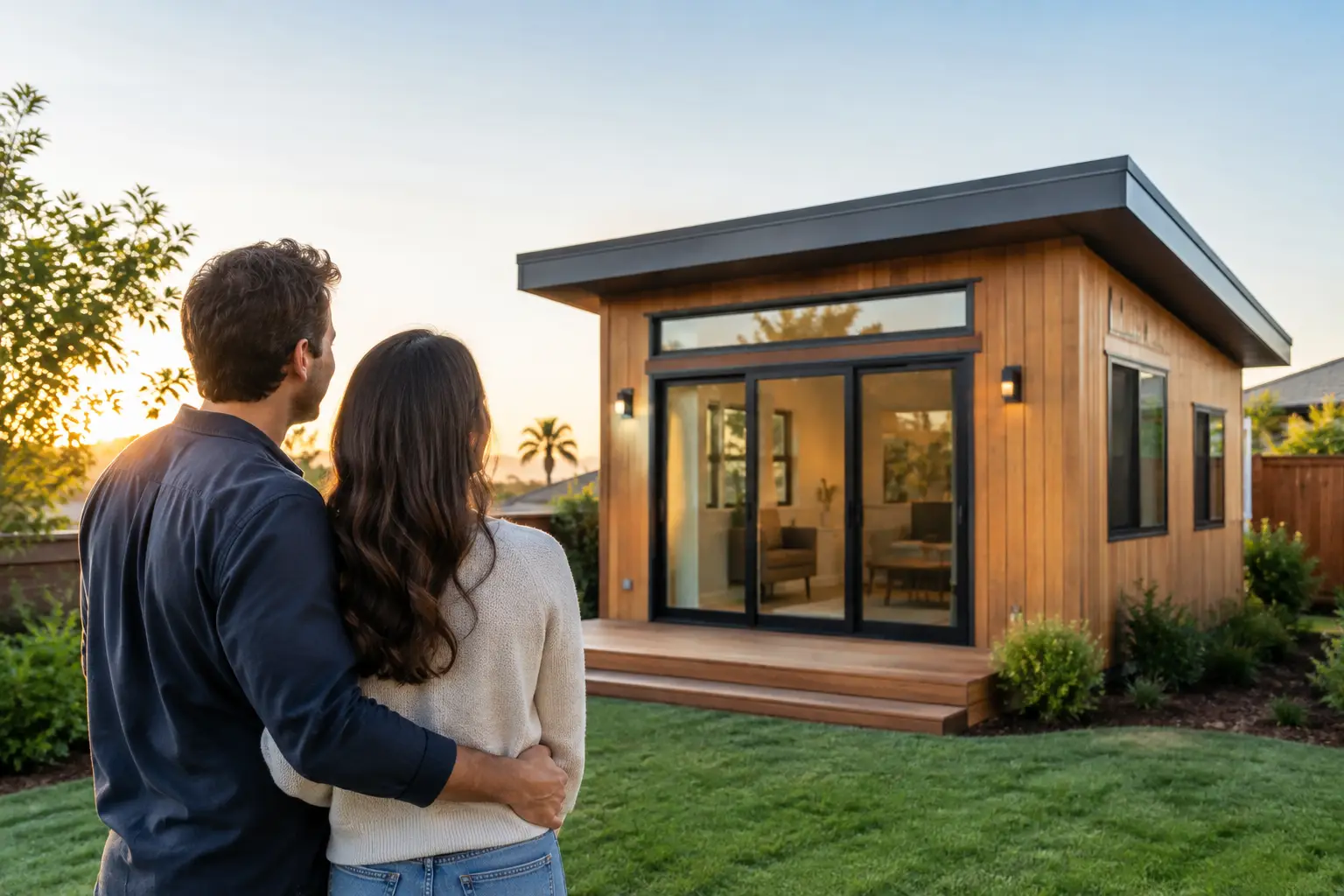
Accessory dwelling units, or ADUs, are another major consideration in many Los Angeles-area neighborhoods. They can be used for multigenerational living, a private workspace, guests, or rental income. But an ADU is a substantial construction project, not a simple backyard upgrade. Site access, utility connections, zoning, permits, parking rules, and construction costs all affect the plan.
There is no one-size-fits-all answer. An addition may be the better choice when your family needs integrated living space. An ADU may make more sense when privacy and separate access are the priority. A contractor should help you understand the practical trade-offs before design decisions are locked in.
Finished basements and garages need proper planning
Basements and garages offer potential square footage, but they need more than flooring and drywall. Before finishing either space, evaluate moisture, insulation, electrical capacity, ceiling height, ventilation, egress, and structural conditions. Skipping this work can lead to comfort problems, code issues, and costly repairs later.
When planned correctly, these spaces can become some of the hardest-working areas of a home. Built-in storage, durable flooring, sound control, and thoughtful lighting make them more useful than a quick cosmetic conversion. If the space will be used as a bedroom or rental unit, safety requirements become even more important.
Durable Materials Are Taking Priority
Homeowners are becoming more selective about what goes into a remodel. A low upfront price can be appealing, but frequent repairs or early replacement can erase those savings. Durable materials are especially valuable in kitchens, bathrooms, entryways, decks, and other high-traffic areas.
Porcelain tile, quality engineered wood, solid cabinet construction, quartz surfaces, composite decking, and low-maintenance exterior finishes are popular because they balance appearance with performance. The right choice depends on how the space is used. For example, natural stone may offer a distinct look, but it often requires more care than quartz. Real hardwood can be refinished, while some alternatives handle moisture better.
This is where honest guidance matters. There is no reason to pay for premium materials in areas where a more practical option will perform just as well. At the same time, cutting corners on waterproofing, structural repairs, framing, or core mechanical work is rarely a good place to save.
Energy Efficiency Is Becoming Part of the Remodel
Energy-conscious upgrades are no longer limited to solar panels or major new construction. During a renovation, homeowners can improve insulation, replace inefficient windows, update lighting, improve ventilation, and choose appliances that use less energy and water.
These improvements can make a home more comfortable in every season. They may also reduce operating costs over time. The savings vary by home, climate, utility rates, and the condition of existing systems, so it is best to look at the full scope rather than expect one upgrade to solve everything.
Timing matters. Opening walls during a remodel can be the right opportunity to address insulation, electrical updates, aging plumbing, or HVAC needs. Completing these items while the project is already underway is often more efficient than returning later and disturbing finished work.
A Better Process Is the Trend That Matters Most
The strongest renovations are not defined by a viral color palette. They are defined by good planning, clear communication, dependable scheduling, and workmanship that lasts. Before construction begins, homeowners should have a realistic scope, a clear budget range, material expectations, and a plan for decisions that may arise once walls are opened.
Some surprises are unavoidable in older homes. Hidden water damage, outdated wiring, or structural issues can appear during demolition. A reliable contractor does not ignore these problems or bury them in vague language. They explain what was found, why it matters, what the options are, and how it affects cost and timing.
That level of clarity helps homeowners make confident choices. It also keeps a renovation focused on its real purpose: creating a safer, more comfortable, more useful home for the years ahead.
If you are considering an addition, kitchen remodel, bathroom update, garage conversion, basement finish, deck, or structural repair, contact Greenwood Contractors for a free estimate. We will help you choose improvements that fit your home, your goals, and your budget.